Choosing Commercial Cleaning Services GTA

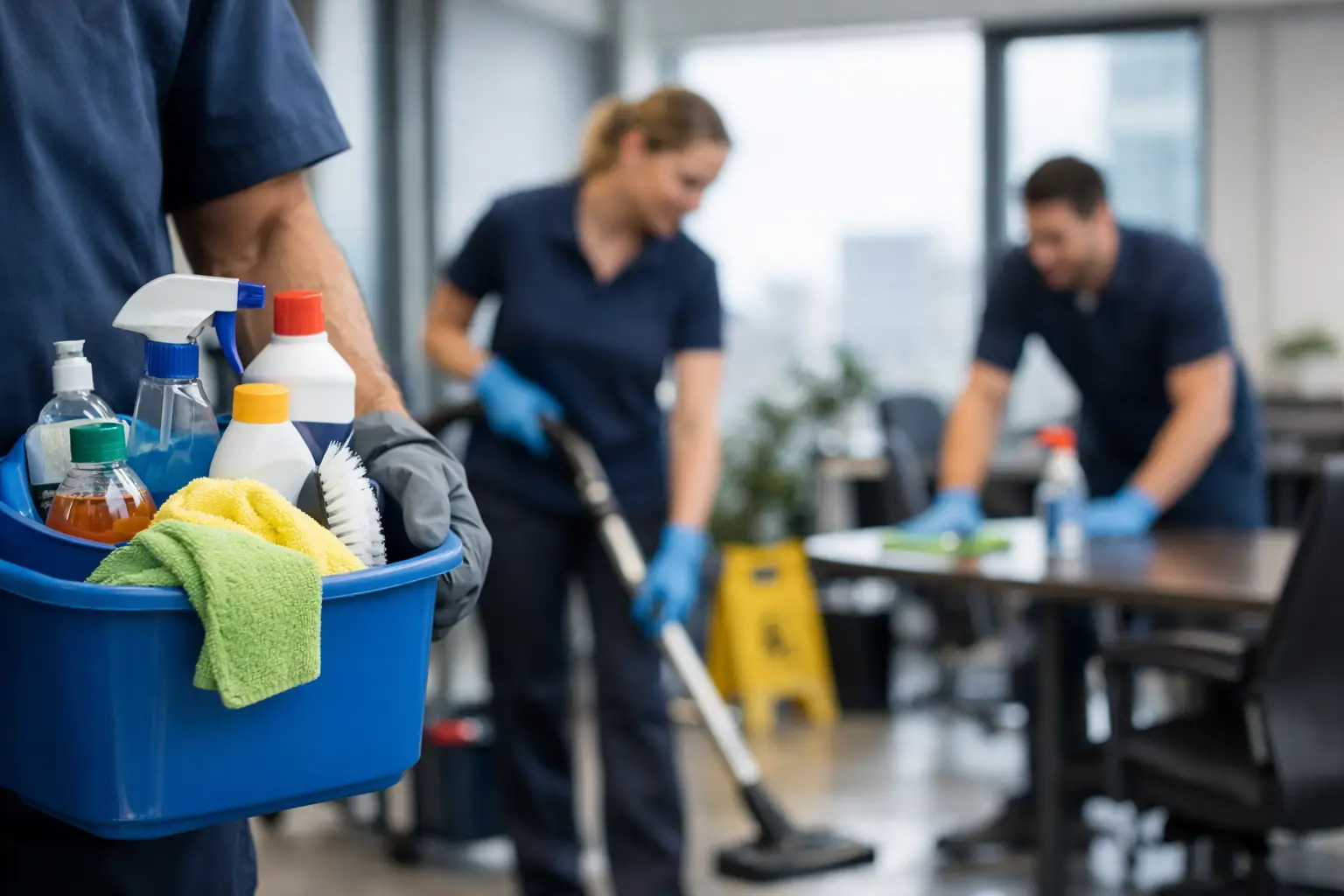
A missed trash pull, streaked entry glass, and restrooms that run out of supplies before noon tell people more about your operation than most managers realize. When business owners start comparing commercial cleaning services GTA providers, they are usually not shopping for mops and disinfectants. They are looking for consistency, accountability, and a cleaner workplace that supports staff health and day-to-day operations.
In the GTA, that decision carries extra weight. High-traffic offices, restaurants, retail stores, industrial sites, and mixed-use properties all deal with different cleaning pressures. A provider that performs well in a quiet office may not be the right fit for a dealership showroom, a post-renovation project, or a restaurant that needs strict sanitation routines every day. The right cleaning partner understands that cleaning is not a generic service. It is an operational standard.
What commercial cleaning services GTA businesses actually need
Many companies begin with a simple question: how much will it cost? Price matters, but it is rarely the whole story. A lower monthly quote can become expensive if your staff keeps escalating complaints, if standards drift after the first few weeks, or if you need to bring in another vendor to fix missed work.
What most GTA businesses need is dependable execution. That means a cleaning team that shows up on schedule, follows a clear scope, uses appropriate products, and adjusts service levels when your building traffic changes. It also means working with a company that understands the health side of cleaning, not just the appearance of it. Surfaces can look fine and still fall short on sanitation.
That is why experienced buyers usually evaluate providers on three levels. First, can they clean the space properly? Second, can they do it consistently? Third, can they support the realities of your business, including after-hours access, security requirements, fluctuating occupancy, and urgent requests? If the answer to any of those is uncertain, the relationship gets harder to manage.
Why one-size-fits-all cleaning plans fall short
Commercial properties across Toronto and the GTA do not operate the same way, so their cleaning plans should not look the same either. An office may need nightly touchpoint disinfection, restroom care, kitchen cleaning, and carpet maintenance. A retail store may care more about glass, floors, fitting rooms, and presentation during peak customer hours. A restaurant has another layer entirely, with grease, food-contact areas, odor control, and strict hygiene expectations.
This is where a customized scope matters. The frequency of service, the time of service, and the level of detail all need to match how the site actually functions. If your cleaning plan is too light, standards drop quickly. If it is too heavy, you are paying for tasks that do not add value.
A good provider will not force every facility into the same package. They will ask practical questions about foot traffic, operating hours, problem areas, floor types, washroom demand, seasonal conditions, and whether your site needs routine service, periodic deep cleaning, or both. That process helps prevent the most common problem in outsourced cleaning: misalignment between what was quoted and what the building really needs.
The difference between visible cleaning and health-focused cleaning
This distinction matters more than ever in shared workplaces. Visible cleaning covers the things occupants notice first, such as floors, dust, fingerprints, trash, and washroom appearance. Health-focused cleaning goes further. It addresses touchpoints, washroom sanitation, breakroom hygiene, product selection, and methods that reduce the spread of germs.
For employers, that affects more than presentation. Cleaner, healthier environments support employee confidence, reduce avoidable complaints, and help reinforce workplace standards. For customer-facing businesses, it also shapes trust. People notice when a space feels cared for, especially in restrooms, entrances, counters, and dining areas.
How to evaluate commercial cleaning services GTA providers
Start with operational fit. A provider may have strong marketing, but if they cannot support your schedule, building type, or service geography, it will not be a practical partnership. GTA businesses often need coverage across multiple sites, early-morning or overnight cleaning, and responsive support when issues come up. Capacity matters.
Next, look at workforce standards. A cleaning company should be bonded, insured, and supervised. Those are not nice extras. They are basic protections for your business, your property, and your team. Training also matters because different environments require different methods. Cleaning a corporate office is not the same as cleaning a restaurant kitchen area or an industrial workspace.
Product selection is another point buyers sometimes overlook. If a vendor cannot speak clearly about the products they use and where they use them, that is a concern. Approved products, especially those aligned with health and safety expectations, are part of a professional cleaning program. The same goes for procedures around cross-contamination prevention, washroom cleaning, and high-touch surface disinfection.
Finally, ask how quality is managed after the contract starts. Many vendors perform well during the sales process and become harder to reach once service begins. Consistent quality usually depends on inspections, supervision, clear communication, and a process for resolving issues quickly. Reliability is not just showing up. It is maintaining standards over time.
Questions worth asking before you sign
Ask how the scope will be built, who supervises the account, and how service concerns are documented and resolved. Ask whether they can scale if you add square footage, increase traffic, or need a specialized service such as carpet cleaning, deep cleaning, or post-renovation cleanup. If you manage a multi-use property or a business with changing demands, flexibility is not optional.
It also helps to ask what is not included. Cleaning agreements become smoother when both sides are clear on consumables, periodic services, emergency requests, and any tasks that fall outside routine maintenance. Good vendors are direct about this because it reduces confusion later.
Industry-specific experience makes a real difference
The GTA has no shortage of cleaning companies, but not all of them bring the same depth across industries. That matters because each commercial environment has its own risks, expectations, and inspection points.
Offices typically need a balance of daily maintenance and periodic detailed work. The goal is to keep workspaces clean without disrupting staff, while paying close attention to shared areas like kitchens, washrooms, elevators, and reception zones.
Retail spaces are more presentation-driven. Smudged glass, dusty displays, and neglected floors affect the customer experience immediately. Cleaning often needs to happen around business hours and seasonal spikes.
Restaurants are less forgiving. Cleaning standards directly affect health, safety, and guest confidence. A provider needs to understand routine sanitation, grease-related buildup, odor control, and the importance of consistency across front-of-house and support areas.
Dealerships and industrial facilities bring their own challenges, from showroom shine to heavier soil loads and more specialized surfaces. In those spaces, the wrong methods can create safety risks or damage finishes. Experience is not just a selling point. It protects the site.
The cost question, and what value really looks like
Commercial cleaning is often treated like a line item to minimize, but the cheapest option rarely feels cheap once performance issues start. If your staff is emptying bins, wiping counters, reporting missed washrooms, or calling for emergency corrections, the savings disappear fast.
Better value usually comes from a cleaning program that is matched to the building, staffed reliably, and monitored properly. That does not always mean the highest quote, either. It means a realistic scope, clear accountability, and service that reduces management friction.
For some properties, a nightly routine is essential. For others, a hybrid schedule with daytime porter support and periodic deep cleaning may make more sense. It depends on traffic, business type, and the image you need to maintain. The key is to avoid buying based on price alone and then expecting premium results from an underbuilt plan.
A stronger cleaning partnership supports the whole workplace
When cleaning is handled well, it fades into the background in the best possible way. Employees can focus on work. Customers walk into a space that feels organized and cared for. Managers spend less time chasing issues and more time running the business.
That is the real standard businesses should look for in commercial cleaning services GTA providers. Not just a vendor that completes tasks, but a partner that understands health, consistency, and the operational demands behind every clean facility. Companies like HSI Cleaning Services build around that expectation with customized plans, approved products, and dependable support across a wide range of property types.
If you are reviewing your current provider or sourcing a new one, start with the day-to-day reality of your space. The right cleaning plan should make your workplace healthier, your presentation stronger, and your job easier.

About Author

Recent Posts

Property Turnover Cleaning That Protects Move-In Dates

8 Insured Commercial Cleaning Benefits for Businesses