Property Turnover Cleaning That Protects Move-In Dates

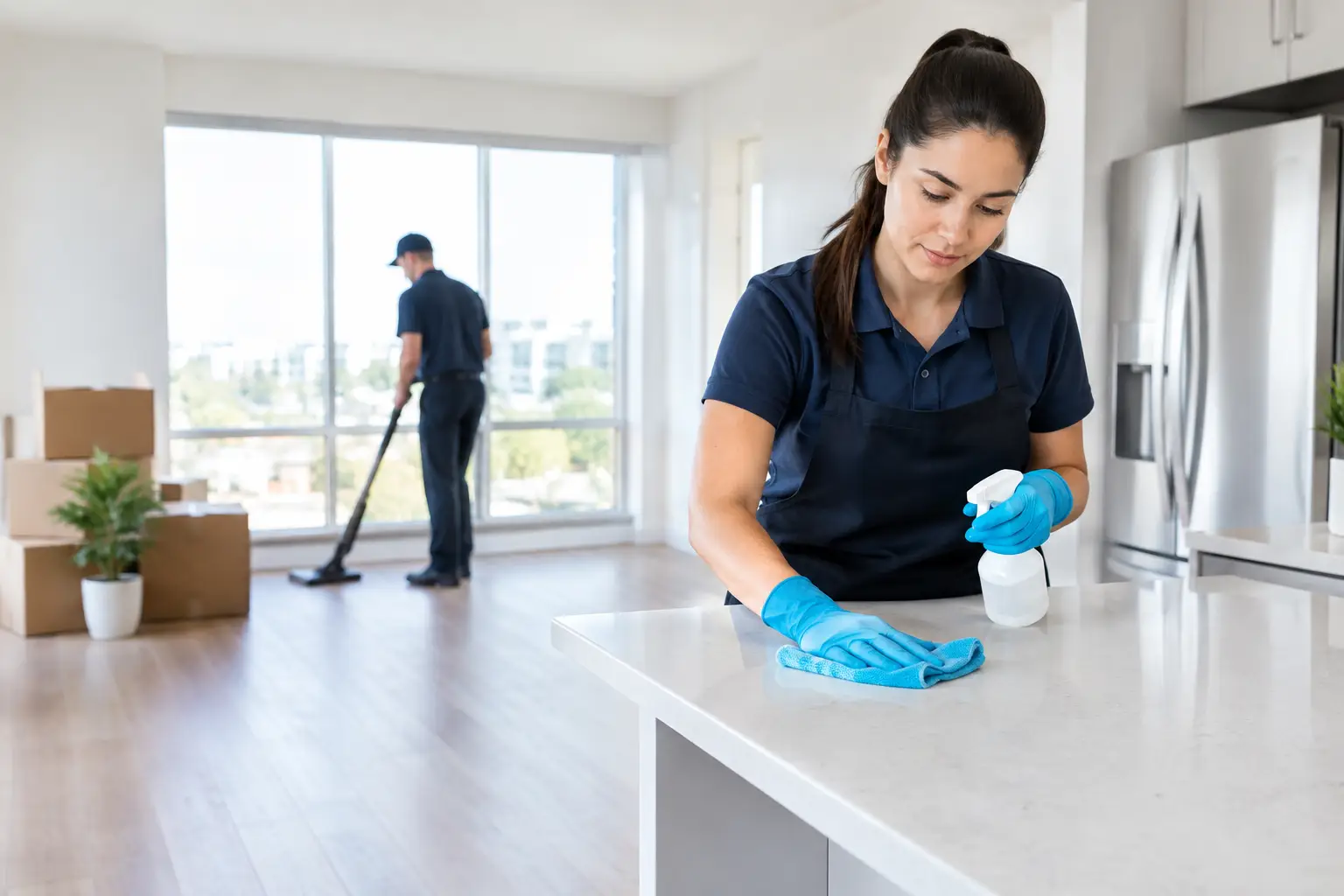
A vacant unit can look ready from the doorway and still create problems on move-in day. Grease inside cabinets, dust on vents, stained carpet edges, and overlooked washroom fixtures all affect a new tenant’s first impression. Professional property turnover cleaning is the controlled reset between occupants that helps property managers protect schedules, preserve asset value, and present a clean, healthy space with confidence.
For property managers, leasing teams, brokers, and owners, turnover cleaning is not simply a quick tidy-up after keys are returned. It is a time-sensitive service that must coordinate with inspections, maintenance work, painting, flooring, and tenant handoff. The best approach is detailed enough to catch what the last occupant left behind, but flexible enough to keep the unit moving toward its next occupancy date.
What Property Turnover Cleaning Should Accomplish
The goal of a turnover clean is to return a vacant property to a move-in-ready condition. That standard will vary by building type, lease requirements, property condition, and the work completed between tenants. A lightly used office suite may need dust removal, washroom sanitation, glass cleaning, and floor care. A residential unit with heavy kitchen buildup or pet-related odor may require a more intensive deep clean, carpet treatment, and targeted disinfection.
A reliable cleaning scope starts with the areas future occupants notice immediately: entryways, floors, washrooms, kitchens or break rooms, windows, fixtures, and high-touch surfaces. It should also address the less visible areas that affect hygiene and presentation, such as baseboards, interior cabinets, blinds, vents, doors, light switches, and appliance exteriors.
Cleaning teams should not assume every empty property has the same needs. A standard checklist is useful, but it cannot replace a walkthrough. Property turnover cleaning works best when the scope reflects the condition of the unit and the requirements of the next occupant.
Why Turnover Cleaning Needs a Different Standard
Routine janitorial service maintains an occupied space. Turnover cleaning restores a space after use. The difference matters because the work is more detailed, more visible, and usually tied to a deadline.
In an occupied office or retail setting, cleaners work around furniture, inventory, staff schedules, and daily traffic. In a vacant unit, there is an opportunity to access walls, closets, storage spaces, cabinet interiors, and floor edges that may not receive attention during normal service. It is also the right time to identify issues that cleaning cannot resolve, such as damaged flooring, mold concerns, persistent odors, broken fixtures, or construction dust that requires post-renovation cleaning methods.
A rushed clean can cost more than it saves. If a new tenant finds residue in the refrigerator, dust on shelving, or an unsanitary washroom, the property team may need to send cleaners back after move-in. That disrupts the tenant, creates avoidable complaints, and puts added pressure on staff. A properly planned service reduces those risks before the handoff takes place.
The condition of the unit determines the scope
Not every turnover requires the same level of service. A well-maintained suite after a short lease may only require a detailed refresh. A unit that has been vacant during renovations may need fine-dust removal from horizontal surfaces, ledges, vents, and flooring before any final detailing begins.
Heavy buildup, food residue, smoke odors, pet hair, adhesive marks, or neglected washrooms call for more time and specialized products. Carpet cleaning may be appropriate when stains, odor, or high traffic affect appearance. Hard flooring may need machine scrubbing, stripping, or refinishing depending on its material and condition. Attempting to treat every unit with one fixed service level often leads to missed expectations or unnecessary costs.
A Practical Turnover Cleaning Process
The most dependable turnover work follows a clear sequence. Cleaning too early, before trades finish their work, can result in repeat visits. Cleaning too late can delay inspections and move-in. Coordination is just as important as the cleaning itself.
1. Inspect the vacant space before scheduling final service
A pre-clean walkthrough establishes the actual scope. Property teams should note whether furniture or debris remains, whether utilities are active, if elevators or loading access must be reserved, and whether contractors are still working onsite. It is also helpful to identify stains, damage, odors, and areas that need maintenance attention rather than cleaning alone.
This stage prevents confusion about what is included. For example, removing abandoned furniture, disposing of construction materials, or treating hazardous waste may require separate arrangements. A cleaning team can handle the sanitation and detailing work, but clear communication keeps the project safe and avoids delays.
2. Complete repairs and construction work first
Painting, drywall repair, fixture replacements, and flooring work should be substantially complete before the final clean. Otherwise, dust, footprints, and packaging can undo the work that has already been completed.
There are exceptions. A rough clean may be useful before a contractor begins final repairs, particularly in heavily soiled spaces. But the detailed turnover clean should take place after the last trade has finished and removed its materials. For renovation projects, this may include a separate post-construction cleaning phase followed by a final move-in clean.
3. Clean from high surfaces to floors
A professional team typically removes dust from vents, ledges, light fixtures, blinds, shelves, and trim before cleaning counters, sinks, and floors. This order prevents dust from settling on areas that have already been wiped.
Kitchens and break rooms require special attention because they combine food residue, grease, appliance surfaces, cabinets, sinks, and high-touch handles. Washrooms require thorough cleaning and sanitation of toilets, urinals, sinks, faucets, mirrors, partitions, dispensers, and floor areas. Health-conscious products and proper dwell times matter here. A surface that looks clean is not necessarily properly sanitized.
4. Detail high-touch and tenant-facing surfaces
The final stage should focus on the surfaces that shape the next occupant’s experience. Door handles, switches, cabinet pulls, railings, thermostats, appliance handles, and restroom fixtures should be cleaned and sanitized according to product directions.
Glass, mirrors, entry doors, and visible floor areas should receive a presentation check under normal lighting. Small details carry disproportionate weight during a showing or move-in walkthrough. Smudged glass, dust in corners, and debris in drawers can make an otherwise well-maintained property appear neglected.
5. Perform a final quality check before handoff
A supervisor or designated team member should review the completed space against the agreed scope. This final check is where missed corners, streaks, residue, and remaining debris are found before the client or tenant sees them.
For multi-unit properties and commercial portfolios, consistent documentation can make turnover planning easier. Notes from previous cleanings can help teams estimate future labor, identify recurring problem areas, and set realistic timelines between move-out and move-in.
Areas That Are Commonly Missed
Most complaints after a turnover clean are not about the center of the room. They come from the overlooked places: inside drawers, cabinet shelves, closet floors, window tracks, baseboards, behind toilets, door frames, and the tops of appliances.
Floor edges also deserve attention. Vacuuming the middle of a carpet is not enough when hair, dust, and debris have collected along walls or under removable fixtures. In commercial suites, detail cleaning around workstations, storage rooms, reception counters, and interior glass partitions can make the difference between a space that feels merely empty and one that feels ready for business.
Odor should be treated as a source issue, not covered with fragrance. If an odor remains after standard cleaning, the cause may be food residue, carpeting, drains, smoke, moisture, or an HVAC-related concern. Deodorizing can help in some cases, but recurring odors should be investigated rather than masked.
Choosing a Cleaning Partner for Fast Turnovers
Turnover schedules can change quickly. A delayed move-out, unexpected repair, or accelerated lease signing may leave little time between occupants. Property managers need a cleaning partner that can respond within an agreed window while maintaining quality standards.
Look for a provider with insured and trained staff, supervision, clear scope confirmation, and experience across the type of property being turned over. Commercial, industrial, retail, restaurant, and residential environments each have different soil conditions and sanitation needs. The provider should be able to adjust the plan without treating every space as identical.
Product selection matters as well. Health Canada-approved cleaning products, appropriate disinfectants, and safe procedures support healthier indoor environments for incoming tenants, staff, and visitors. This is especially relevant for shared buildings, healthcare-adjacent spaces, food-service areas, and high-traffic commercial properties.
HSI Cleaning Services supports customized cleaning plans for property-related projects across Toronto, the GTA, and surrounding Southern Ontario markets. A properly scoped turnover service can align deep cleaning, carpet care, post-renovation detail work, and final presentation checks under one coordinated plan.
A clean turnover is one of the few moments when a property can make a completely fresh impression. Plan the work early, allow time for final inspection, and treat the handoff as part of the tenant experience rather than an afterthought.

About Author

Recent Posts

Property Turnover Cleaning That Protects Move-In Dates

8 Insured Commercial Cleaning Benefits for Businesses