Commercial Carpet Cleaning Services That Protect

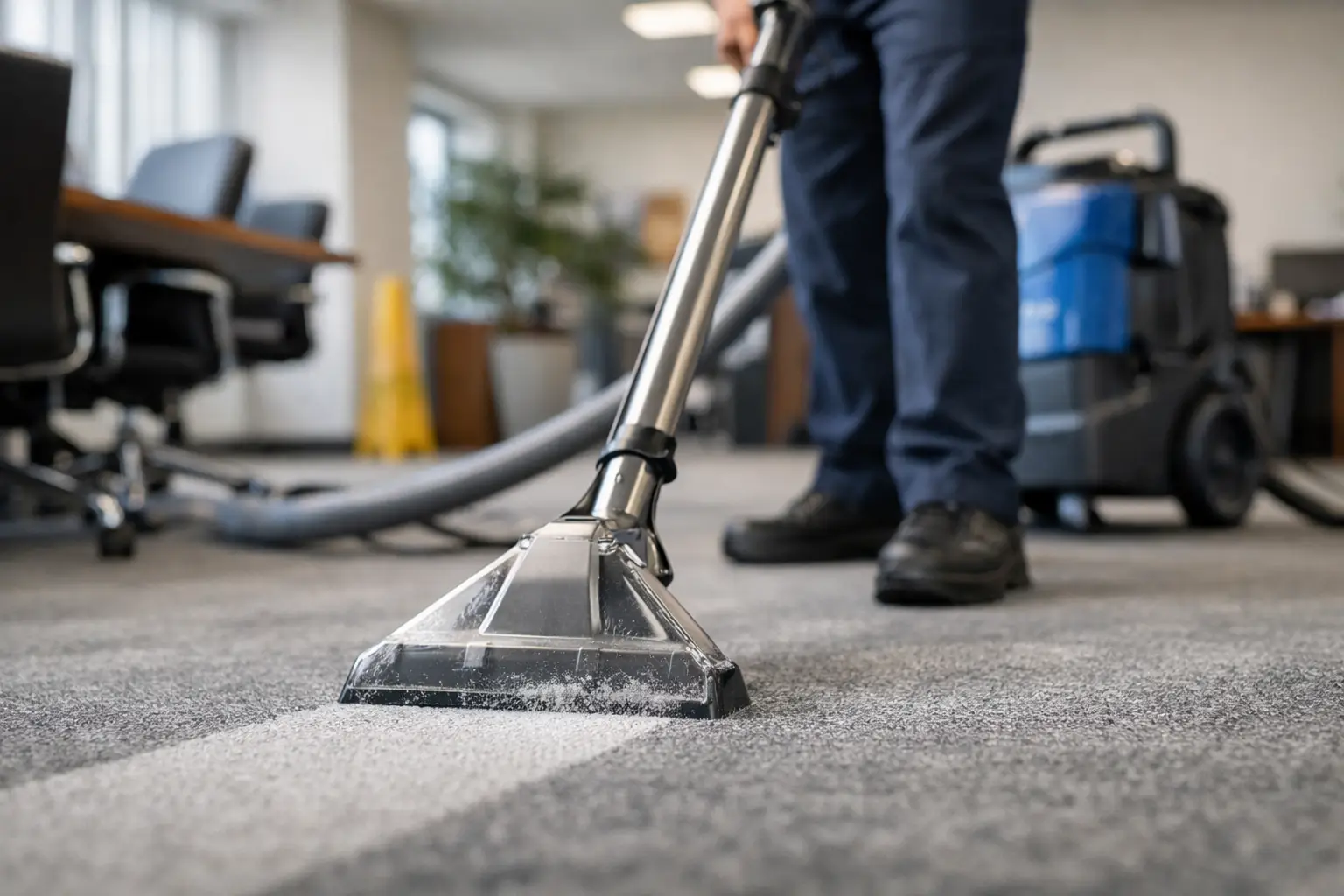
A carpet can look acceptable from the doorway while holding weeks of tracked-in soil, salt residue, food particles, allergens, and moisture below the surface. For offices, retail stores, restaurants, dealerships, and shared commercial properties, commercial carpet cleaning services are not simply about removing visible spots. They help protect the health, presentation, and usable life of one of the largest soft-surface investments in the building.
At HSI Cleaning Services, carpet care is approached as part of a broader plan for clean, healthy workplaces. The right schedule, method, and response time depend on how the space is used – not just on whether the carpet looks dirty.
Why Commercial Carpet Cleaning Services Matter
Commercial carpet receives more traffic and more varied contaminants than residential carpet. Employees bring in moisture, grit, road salt, and debris from parking lots and transit stations. Customers track in dirt during wet weather. In restaurants and break areas, food and beverage spills introduce oils and odors. In offices, coffee stains and chair-track wear can quickly make high-use paths look neglected.
The concern is not only appearance. Dry soil particles act like abrasives, working down into carpet fibers as people walk over them. Over time, that friction can dull the carpet, weaken fibers, and create permanent-looking traffic lanes. Regular professional cleaning removes embedded soil before it causes unnecessary wear.
A clean carpet also supports better indoor conditions. Carpets collect dust, allergens, and fine debris. Routine vacuuming is essential, but it cannot remove everything trapped beneath the surface. Periodic extraction and low-moisture cleaning help reduce the buildup that daily maintenance leaves behind.
For customer-facing businesses, the visual impact is immediate. Stained or matted carpeting can make an otherwise well-run office, showroom, store, or restaurant feel less cared for. Clean flooring sends a quieter but clear message: the business maintains high standards.
The Right Cleaning Method Depends on the Facility
There is no single carpet-cleaning method that fits every commercial property. A reliable provider should assess carpet type, foot traffic, existing stains, drying requirements, furniture layout, and the nature of the business before recommending a plan.
Hot Water Extraction for Deep Soil Removal
Hot water extraction is often the preferred option for carpets with deep-set soil, heavy traffic lanes, and widespread staining. Cleaning solution is applied to loosen embedded debris, then hot water and soil are extracted with professional equipment. This method can provide a thorough reset for many office spaces, common areas, retail environments, and post-construction projects.
The trade-off is drying time. With proper equipment, airflow, and scheduling, carpets can dry efficiently, but the area may need to be cleaned after hours or sectioned off to avoid disrupting operations. This is especially relevant for busy offices, clinics, and retail locations that cannot afford wet walkways during business hours.
Low-Moisture Cleaning for Faster Return to Service
Low-moisture cleaning uses significantly less water and is often a practical choice for facilities that need carpets ready sooner. Depending on the system, absorbent compounds or encapsulation solutions lift soil so it can be removed through vacuuming. It is useful for routine maintenance, lightly to moderately soiled carpet, and spaces where downtime must be limited.
Low-moisture methods are not always the best answer for heavily saturated stains, odor issues, or carpets that have gone too long between deep cleanings. In those cases, a deeper extraction service may be more appropriate. The best programs often combine routine low-moisture maintenance with periodic deep cleaning.
Spot and Stain Treatment Requires a Targeted Approach
A fresh coffee spill does not need the same response as an old oil stain or a recurring odor near a garbage area. Professional technicians identify the source of the stain before selecting a treatment. Using the wrong product can set a stain, damage carpet backing, leave sticky residue, or create a noticeable color change.
Prompt reporting makes a difference. Facility teams should blot spills right away with a clean white cloth, avoid aggressive scrubbing, and notify their cleaning provider. Scrubbing can push the spill deeper into the fibers and spread it across a wider area.
How Often Should a Business Clean Its Carpets?
The honest answer is that it depends on traffic, weather exposure, flooring type, and the expectations of the people using the space. A low-traffic professional office may need deep carpet cleaning once or twice a year, supported by consistent vacuuming and spot treatment. A busy retail store, restaurant, dealership, or multi-tenant property may benefit from more frequent service.
Toronto and GTA businesses also face seasonal conditions that affect carpet maintenance. Winter slush, road salt, and moisture can quickly damage carpet appearance and create slippery entry areas. Spring can bring mud and debris, while wet summer weather increases the risk of moisture being carried indoors. Entry mats, frequent vacuuming, and seasonal carpet cleaning are practical ways to manage those conditions.
Rather than scheduling service only when carpets look visibly dirty, consider a maintenance plan based on use. High-traffic entrances, corridors, reception areas, and employee break rooms generally need attention more often than enclosed offices or low-use meeting rooms. Cleaning the most affected zones between full-property services can control costs while keeping the facility presentable.
What to Expect From a Professional Carpet Cleaning Visit
A well-managed service begins before equipment enters the building. The provider should confirm access requirements, parking or loading arrangements, work areas, operating hours, safety needs, and any furniture that must be moved or protected. For commercial clients, communication matters as much as cleaning performance. A missed appointment or poorly coordinated service can affect employees, customers, and building operations.
On site, technicians should inspect the carpet for stains, traffic patterns, damage, and areas requiring special attention. They should also identify concerns such as loose seams, damaged transitions, or moisture problems that carpet cleaning alone will not solve. A professional team does not promise to remove every permanent stain, but it should explain what is realistic and recommend the most appropriate treatment.
During cleaning, attention should be paid to edges, corners, entryways, and areas beneath movable furniture. These details are often what distinguish a quick surface pass from a complete service. Proper equipment setup also helps reduce disruption, protects walls and furnishings, and keeps hoses and cords managed safely.
Afterward, the team should provide clear guidance about drying time, ventilation, furniture replacement, and when normal traffic can resume. If an area is still damp, using caution signs and keeping foot traffic away protects both people and the cleaning result.
Choosing a Commercial Carpet Cleaning Provider
Price matters, but the lowest quote can become expensive if the work is inconsistent, residues attract more dirt, or the service interrupts the business day. Look for a provider that can explain its cleaning method, adjust service around your schedule, and support your broader facility needs.
For recurring commercial work, four factors deserve close attention:
- Training and supervision: Technicians should understand commercial carpet materials, stain treatment, equipment safety, and site-specific procedures.
- Insurance and accountability: A bonded and insured provider offers greater confidence when teams work around valuable furnishings, customer areas, and occupied facilities.
- Products and health standards: Ask what products are used and whether they align with your facility’s health, safety, and environmental requirements.
- Flexible scheduling: Evening, overnight, weekend, or phased cleaning may be necessary to limit disruption and allow proper drying.
A quality provider should also be comfortable building a customized plan. A restaurant may require frequent treatment around dining areas and entrances. A dealership may need regular showroom detailing with careful attention to customer presentation. An office may need after-hours cleaning in traffic lanes, meeting rooms, and reception areas. The work should match the environment.
Protect the Carpet Between Professional Cleanings
Professional service works best when it is supported by daily habits. High-performance entry mats reduce the amount of soil that reaches carpeted areas. Regular vacuuming removes dry debris before it gets ground into fibers. Quick attention to spills prevents stains from becoming permanent, while furniture pads and protective mats beneath rolling chairs can reduce wear in workstations.
It is also worth reviewing recurring stain locations. If the same area repeatedly becomes dirty, the cause may be operational rather than a cleaning issue. An overflowing coffee station, an undersized entrance mat, a leaking dispenser, or a poorly placed waste bin can create repeat problems. Addressing the source protects the carpet and reduces avoidable service costs.
Clean carpets support more than a polished first impression. They help create a workplace where employees feel comfortable, customers feel confident, and property managers can maintain the condition of the space over time. A cleaning plan built around your traffic, schedule, and facility standards gives the carpet the care it needs before wear becomes a replacement problem.

About Author

Recent Posts
Property Turnover Cleaning That Protects Move-In Dates

8 Insured Commercial Cleaning Benefits for Businesses