How to Prepare for Deep Cleaning at Work

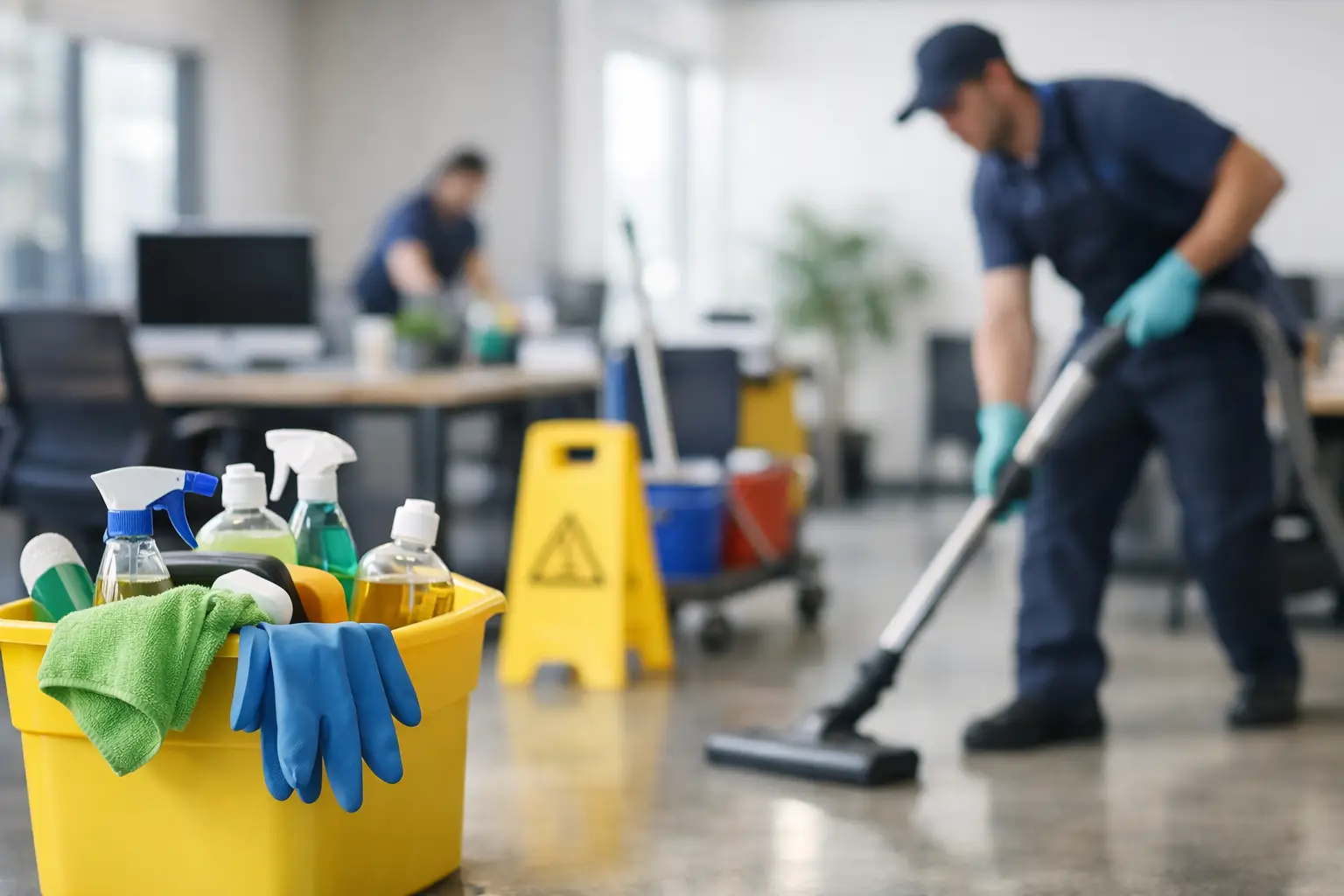
A deep clean is most effective when the cleaning team can reach the surfaces, equipment, and high-touch areas that daily service does not always cover. Knowing how to prepare for deep cleaning helps protect your operations, avoid delays, and give your facility the thorough reset it needs.
For office managers, restaurant owners, retail operators, property managers, and industrial facility teams, preparation is not just about moving boxes. It is about coordinating people, protecting sensitive materials, and setting clear expectations for the scope of work. A little planning before the crew arrives can make a major difference in the final result.
Start With a Clear Deep Cleaning Scope
Before preparing the space, confirm exactly what the deep cleaning service includes. A general request for a “deep clean” can mean different things in an office, restaurant, dealership, warehouse, or common area. The right scope should reflect your facility’s use, traffic level, sanitation needs, and operating schedule.
Review the areas that require focused attention. This may include floors, baseboards, vents, washrooms, break rooms, kitchens, carpets, upholstery, interior glass, storage rooms, high shelving, or frequently touched fixtures. In food service settings, grease-prone surfaces and back-of-house equipment may need specialized attention. In an office, the priority may be shared workstations, meeting rooms, washrooms, and carpeted traffic lanes.
Be specific about what is included and what is not. If you expect interior cabinet cleaning, wall washing, carpet extraction, or post-renovation dust removal, identify those requirements before service begins. Clear expectations allow the cleaning provider to schedule the right people, products, equipment, and time for the job.
Choose the Right Time for the Work
Deep cleaning can involve equipment noise, floor drying time, temporary access restrictions, and the movement of furniture or supplies. Schedule the service during a period that will have the least impact on employees, customers, tenants, or production.
For many offices and retail spaces, after-hours or weekend service is the practical choice. Restaurants may need work completed between service periods or during a planned closure. Industrial facilities may require coordination around shift changes, machinery downtime, or safety protocols. If the work includes carpet cleaning or floor care, allow enough time for surfaces to dry before normal foot traffic resumes.
It depends on the size and condition of the facility, but deep cleaning often works best as a planned project rather than an add-on squeezed into a regular cleaning visit. Give the team adequate access and time. Rushing a detailed service can limit the areas that receive the attention they need.
Notify Employees, Tenants, and On-Site Teams
A simple notice prevents confusion and helps keep the cleaning process safe. Let employees know the service date, expected hours, areas that may be temporarily unavailable, and any actions they need to take before leaving.
For multi-tenant properties, notify occupants if common areas, elevators, washrooms, loading zones, or hallways will be serviced. For retail and restaurant operations, make sure managers understand whether any fixtures, seating, equipment, or inventory will need to be moved or protected.
Clear communication also reduces the risk of someone entering a wet-floor area or relocating items after the cleaning crew has prepared a zone for service.
Clear Access to Key Cleaning Areas
The most common obstacle to a successful deep clean is limited access. Cleaning teams cannot fully clean behind furniture, under cluttered desks, inside overcrowded storage areas, or around equipment that has not been moved or approved for movement.
Ask staff to clear personal items from desks, counters, lockers, and shared work areas. Remove loose paperwork, food, drink containers, and personal electronics. If confidential documents are present, file or secure them before the appointment. A cleaning crew should never need to decide what can be discarded, moved, or handled.
For larger items, decide in advance who is responsible for moving them. Some furniture can be shifted safely by cleaning professionals, while heavy shelving, workstations, appliances, display units, and machinery may require your maintenance team or a specialized mover. Do not assume every item can be moved as part of the cleaning service. Weight, wiring, warranties, and safety requirements all matter.
Where possible, create a clear path to the areas being cleaned. Keep hallways, utility rooms, supply closets, loading areas, and service entrances free of unnecessary obstacles. This allows crews to bring in commercial equipment without disrupting your workplace or creating a trip hazard.
Protect Sensitive Assets and Information
Professional cleaning teams work carefully, but clients should secure sensitive items before any service appointment. Store cash, keys, medication, valuable inventory, customer records, confidential files, and small electronics in a locked location.
In offices, ask employees to secure laptops, documents, and personal belongings. In medical, financial, legal, or other privacy-sensitive environments, establish access boundaries and identify areas that require special authorization. In retail environments, secure merchandise and confirm how displays, point-of-sale equipment, and stockrooms should be handled.
If your facility has alarms, access cards, surveillance procedures, or restricted zones, provide the necessary instructions before the cleaning team arrives. A dependable provider will follow your access protocols, but advance planning avoids delays at the door and keeps the site secure.
Identify Safety Risks Before the Crew Arrives
Deep cleaning is a health-focused service, and safety preparation is part of the process. Inform the cleaning provider about hazards such as slippery areas, damaged flooring, exposed wiring, broken fixtures, sharp materials, pest activity, chemical storage, or equipment that must not be touched.
Industrial and commercial sites may also have site-specific requirements, including personal protective equipment, safety orientation, sign-in procedures, hazard communication, or restricted work zones. Share these requirements early, not when the crew is already on-site.
If you have staff or visitors with sensitivities to fragrances or cleaning products, mention it during planning. A professional cleaning partner can discuss product options and use appropriate Health Canada-approved products where required. The goal is a clean environment that supports the wellbeing of everyone who uses the space.
Handle Food, Inventory, and Open Materials Properly
Food service businesses need additional preparation. Cover, remove, or properly store food before cleaning begins. Empty open containers, secure ingredients, and make sure food-contact surfaces can be cleaned and sanitized according to your operating procedures.
In warehouses, dealerships, and retail locations, identify inventory or materials that cannot be exposed to moisture, dust disturbance, or cleaning solutions. Label sensitive items and communicate any no-clean zones. This is especially useful when preparing for floor cleaning, high-dusting, post-renovation service, or work around specialized equipment.
Provide Access, Utilities, and a Site Contact
Confirm how the cleaning team will enter and exit the building. Provide access codes, keys, loading instructions, parking details, elevator access, and contact information for an authorized on-site representative. If security personnel are present, notify them in advance.
The team may also need access to water, electrical outlets, utility sinks, waste disposal areas, and designated storage or staging space. These details may seem small, but they affect how efficiently the crew can work. A locked utility room or unavailable freight elevator can cause avoidable delays.
Choose one point of contact who can answer questions during the service. This person should understand the scope, know which areas are a priority, and have authority to address access or safety concerns. For larger projects, a brief walk-through before and after service is useful for confirming expectations and reviewing results.
Set Realistic Expectations for Results
Deep cleaning delivers a major improvement in cleanliness, sanitation, and presentation, but it cannot repair worn finishes, permanent stains, damaged grout, deteriorated flooring, or neglected building systems. A good cleaning provider will explain what can be improved through cleaning and where restoration, repairs, or replacement may be needed.
For example, carpet extraction can refresh traffic lanes and reduce embedded soil, but it may not remove every old stain. Floor cleaning can improve appearance, but scratched or damaged surfaces may need refinishing. Grease removal can significantly improve a kitchen area, but heavily damaged equipment may require maintenance beyond cleaning.
This is why a site assessment and clear scope are valuable. They keep the project focused on practical outcomes rather than assumptions.
Make Deep Cleaning Part of Your Maintenance Plan
A deep clean should not be treated only as an emergency response before an inspection, lease turnover, event, or client visit. Regular deep cleaning helps control buildup that daily service cannot always address, supports a healthier workplace, and protects the appearance of your facility over time.
The right frequency depends on your environment. High-traffic restaurants, public-facing retail spaces, medical-adjacent offices, and busy common areas may need more frequent detailed cleaning than a low-traffic administrative office. Seasonal changes, renovation work, flu season, and major events can also justify an additional service.
HSI Cleaning Services can help businesses build cleaning plans around their hours, industry requirements, and facility priorities. When preparation and professional service work together, the result is more than a cleaner space – it is a workplace that feels cared for, safer, and ready for the people who rely on it every day.

About Author

Recent Posts

Property Turnover Cleaning That Protects Move-In Dates

8 Insured Commercial Cleaning Benefits for Businesses