What Does Commercial Cleaning Include for Businesses?

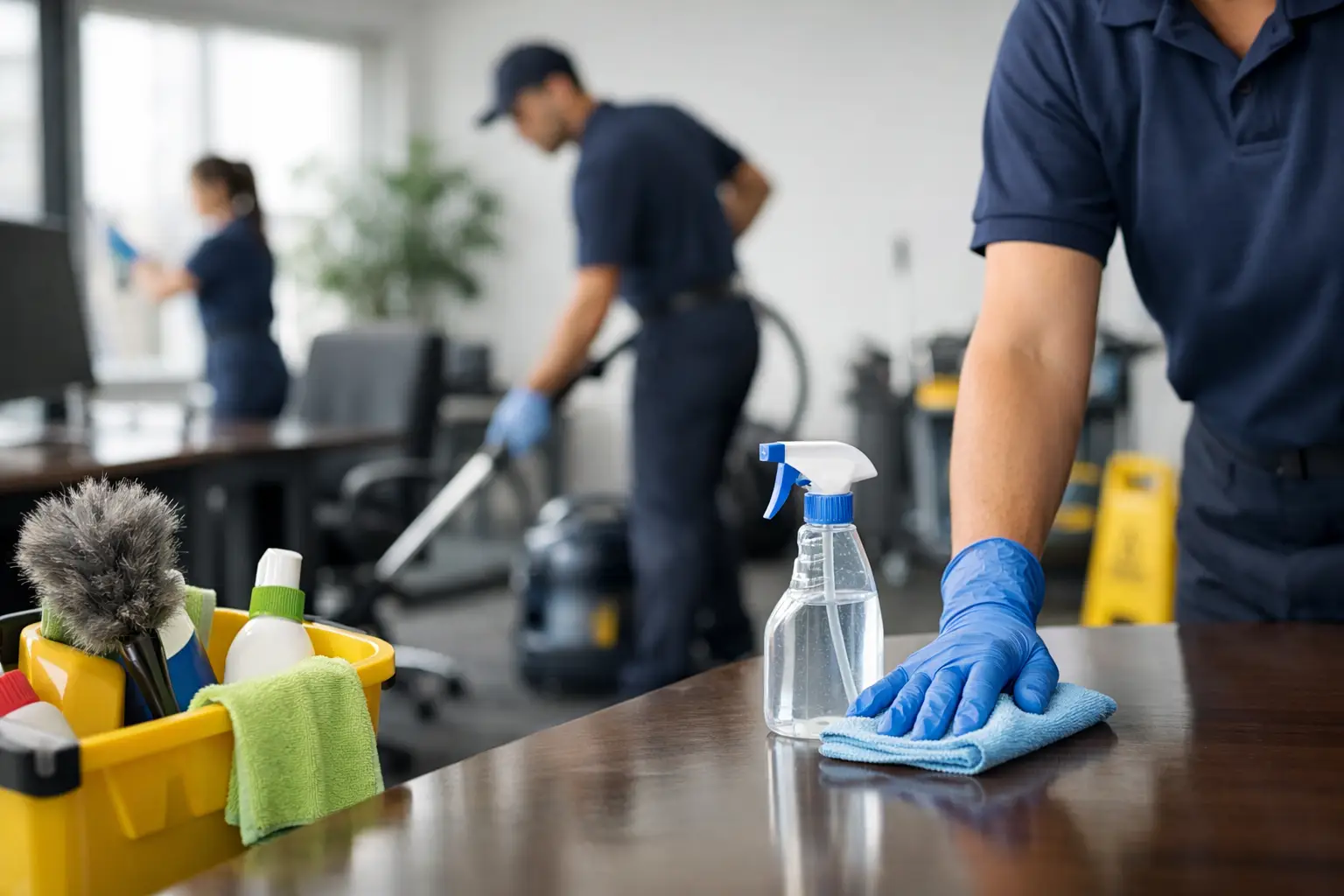
A clean workplace is more than a good first impression. It affects employee comfort, customer confidence, health standards, and the way a business operates each day. So, what does commercial cleaning include? The answer depends on your facility, traffic levels, operating hours, and the areas that need the most attention, but a professional plan typically covers routine cleaning, sanitation, waste removal, and specialized care for floors and high-touch surfaces.
For offices, stores, restaurants, dealerships, warehouses, and managed properties, commercial cleaning should be designed around the work happening in the space. A quiet office may need after-hours service several times a week. A restaurant or retail location may require daily cleaning to maintain safe, customer-ready conditions. The best cleaning plan is not a one-size-fits-all checklist. It is a dependable schedule built for your business.
What Does Commercial Cleaning Include?
Commercial cleaning generally includes the ongoing work required to keep business environments clean, sanitary, presentable, and ready for employees and visitors. Routine service often focuses on common areas, workspaces, restrooms, break rooms, entrances, and floors.
A standard scope may include dusting accessible surfaces, emptying trash and recycling, vacuuming carpets, sweeping and mopping hard floors, cleaning glass at entryways, and disinfecting frequently touched points. Door handles, light switches, elevator buttons, shared equipment, reception counters, and railings can receive focused attention because they are touched throughout the day.
The goal is not simply to make a facility look tidy. Professional commercial cleaning helps reduce the buildup of dust, soil, spills, odors, and germs that can affect workplace health and appearance over time.
Daily and Routine Cleaning Tasks
Most recurring cleaning programs begin with the essentials that keep a property operating smoothly. Trash bins are emptied and relined, visible debris is removed, and floors are vacuumed, swept, or damp mopped based on the surface type. Cleaners also wipe desks, tables, counters, and other agreed-upon surfaces.
The precise frequency matters. A low-traffic professional office may only need full service two or three evenings per week, with restrooms checked more often. A high-traffic retail store, medical-adjacent office, dealership showroom, or restaurant may need daily service, sometimes with daytime porter support for spills, restocking, and washroom checks.
Routine cleaning may also include cleaning interior glass, polishing fixtures, spot-cleaning walls and doors, and maintaining reception areas. These details are especially valuable in customer-facing businesses, where fingerprints on glass or overflowing waste bins can quickly shape a visitor’s impression.
Restroom Cleaning and Sanitation
Restrooms require a higher level of attention than most other areas of a facility. Commercial restroom service commonly includes cleaning and disinfecting toilets, urinals, sinks, faucets, counters, mirrors, dispensers, and partitions. Floors are cleaned, trash is removed, and supplies such as soap, paper towels, toilet tissue, and hand sanitizer can be replenished when included in the agreement.
A professional team should use appropriate products and procedures to prevent cross-contamination between restrooms and other work areas. Health-conscious cleaning also means giving disinfectants adequate contact time and using approved products according to their directions. Fast work is valuable, but correct sanitation practices matter more.
For property managers and facility teams, restroom quality is often one of the clearest indicators of cleaning consistency. If it is clean, stocked, odor-free, and checked at the right frequency, occupants notice.
Floor Care Is Often a Separate Level of Service
Floor cleaning is included in many commercial cleaning contracts, but deeper floor maintenance may be scheduled separately. Daily care usually covers vacuuming, sweeping, mopping, and spot treatment. Periodic service can include carpet extraction, machine scrubbing, stripping and waxing resilient floors, grout cleaning, or polishing hard surfaces.
Carpet cleaning is particularly useful in offices, hallways, meeting rooms, retail spaces, and lobbies where foot traffic brings in salt, moisture, dust, and outdoor debris. Regular vacuuming improves appearance, but deep extraction removes embedded soil that routine service cannot reach.
The right frequency depends on the material and use of the space. A carpeted executive office may only need periodic deep cleaning, while a busy lobby may benefit from more frequent service. Overcleaning can add unnecessary cost, but waiting too long can shorten the life of flooring and leave stains harder to remove.
Kitchens, Break Rooms, and Dining Areas
Commercial cleaning commonly includes break rooms and staff kitchens, where crumbs, spills, food waste, and shared appliances can quickly create odors or attract pests. Standard service may involve wiping counters, cleaning sinks, sanitizing tables, emptying waste, cleaning microwave interiors, and mopping floors.
For restaurants, food-service businesses, and cafeterias, cleaning needs are more specialized. Front-of-house cleaning may include dining areas, host stations, washrooms, glass, floors, and visible touchpoints. Back-of-house cleaning can require a more detailed plan for equipment exteriors, grease-prone areas, coolers, storage zones, and floors.
Not every cleaning company provides the same restaurant services. Kitchen exhaust systems, hood cleaning, and certain equipment maintenance may require dedicated specialists. A clear scope prevents assumptions and helps owners confirm who is responsible for each task.
Specialized Commercial Cleaning Services
Some cleaning needs fall outside the normal daily or weekly routine. These services are usually added as scheduled projects or incorporated into a customized plan.
Common specialized services include:
- Deep cleaning for neglected areas, seasonal resets, or high-traffic facilities
- Post-renovation cleaning to remove construction dust, debris, adhesive residue, and fine particles
- Carpet extraction and upholstery cleaning
- Window and interior glass cleaning
- High-dusting for vents, ledges, beams, and difficult-to-reach surfaces
- Move-in, move-out, or turnover cleaning for commercial units
- Industrial cleaning for warehouses, production areas, and heavier-duty environments
A deep cleaning is not simply a regular cleaning done more quickly. It targets buildup in areas that are not handled during routine visits, such as baseboards, vents, behind accessible furniture, detailed fixtures, and heavily used floor edges. It can be a smart starting point before beginning a recurring cleaning contract.
What Commercial Cleaning May Not Include
A professional cleaning agreement should be specific about what is included and what requires additional approval. Exterior window washing, hazardous waste handling, mold remediation, pest control, biohazard cleanup, high-rise work, and major equipment repairs are not normally part of standard commercial cleaning.
Some tasks also depend on site conditions. Cleaners may not move heavy furniture, handle confidential files, clean personal electronics, or access secured rooms without written direction. Warehouses, medical facilities, food-prep areas, and industrial sites may require additional safety training, site orientation, personal protective equipment, or specialized cleaning products.
These limits are not a sign of limited service. They protect your business, your employees, and the cleaning team. A reliable provider will identify special requirements before service begins instead of making promises that do not match the site.
How to Build the Right Cleaning Scope
Start by looking at how people use your property. Consider the number of employees and visitors, operating hours, floor types, restroom volume, food-service areas, and the level of presentation expected by customers. Then identify where dirt, clutter, odors, or touchpoint concerns appear most often.
A walk-through is the best way to turn those needs into a practical scope. It gives the cleaning provider an opportunity to assess traffic patterns, storage access, security procedures, and the supplies or equipment needed. It also allows both sides to agree on a cleaning schedule that does not disrupt business operations.
Ask whether the company is bonded and insured, how staff are supervised, what quality checks are used, and which cleaning and disinfecting products are applied. For businesses that need flexibility, it is also helpful to ask how urgent requests, special events, spills, or schedule changes are handled.
HSI Cleaning Services builds commercial cleaning plans around the needs of each facility, from routine office and retail cleaning to restaurant, dealership, industrial, carpet, and post-renovation work. Consistent service, trained teams, and health-focused cleaning practices help businesses maintain spaces that feel cared for every day.
The most useful cleaning plan is the one your employees barely have to think about. When restrooms are stocked, floors are maintained, touchpoints are clean, and customer areas stay presentable, your team can stay focused on the work that moves your business forward.

About Author

Recent Posts
Property Turnover Cleaning That Protects Move-In Dates
8 Insured Commercial Cleaning Benefits for Businesses