Sustainable Cleaning Trends That Work for Business

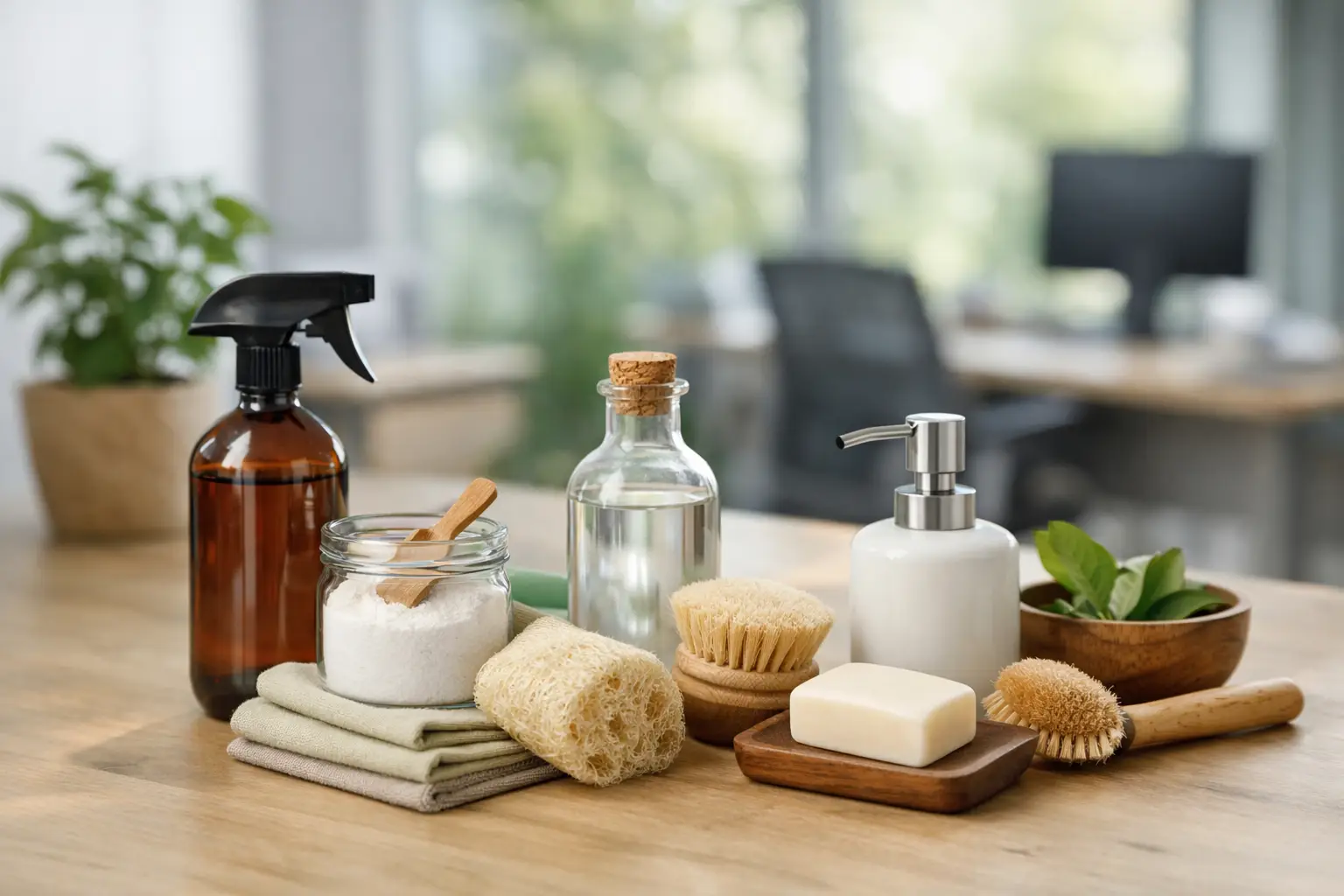
A refillable bottle on a janitorial cart does not automatically make a facility sustainable. For offices, restaurants, retail stores, dealerships, and industrial sites, the real test is whether a cleaning program lowers waste and exposure while still delivering dependable sanitation every day. The most useful sustainable cleaning trends do exactly that: they connect environmental responsibility with healthier workplaces, consistent appearance, and practical operating costs.
For facility decision-makers, sustainability is no longer a separate initiative managed only by corporate leadership. It shows up in product purchasing, waste volumes, indoor air concerns, staff expectations, and the way customers perceive a business. The right approach should strengthen cleaning performance, not ask your team to accept lower standards in exchange for greener language.
Sustainable Cleaning Trends Moving Beyond Green Claims
The strongest shift in commercial cleaning is away from broad claims such as “eco-friendly” and toward measurable choices. Businesses are asking more specific questions: Does this product work at the required dilution? Is it appropriate for the surface and soil level? How much packaging does the program eliminate? What is being used in employee break rooms, customer-facing spaces, and food-service areas?
This scrutiny matters because cleaning products serve different purposes. A general-purpose cleaner, a disinfectant, a degreaser, and a floor-care chemical should not be evaluated by the same standard. A product with a lighter environmental profile may be suitable for routine dust and soil removal, while a regulated disinfectant may be necessary during illness concerns or in high-touch areas. Responsible cleaning plans match the product to the task instead of applying a one-size-fits-all rule.
For businesses, this is also a guardrail against greenwashing. A sustainable program should explain what is changing, why it is changing, and how cleaning quality will be maintained. If a provider cannot answer those questions clearly, the claim may be more marketing than operational improvement.
Concentrates and Closed-Loop Dispensing Reduce Waste
Concentrated chemicals and controlled dispensing systems are becoming standard in well-managed facilities. Rather than purchasing and discarding a large number of ready-to-use spray bottles, a team can use concentrated products that are mixed at the correct ratio in reusable containers.
The environmental benefit is straightforward: fewer single-use containers, less transportation weight, and less storage space. The operational benefit can be just as valuable. Accurate dilution helps prevent overuse, protects surfaces from chemical residue, and gives teams a more consistent result from shift to shift.
There is a practical trade-off. Concentrates only work well when staff have clear training and proper dispensing equipment. Guessing at dilution can reduce cleaning effectiveness or leave floors, glass, and fixtures looking worse. Facility managers should look for a documented process, labeled bottles, and supervision that confirms products are being prepared and used correctly.
Low-Exposure Products Support Indoor Air Quality
Another major trend is the growing preference for products with lower odor and lower volatile organic compound content where appropriate. Strong fragrance is no longer treated as proof that a space is clean. In many workplaces, it can create complaints, aggravate sensitivities, or make recently cleaned rooms unpleasant to occupy.
Low-exposure product choices are especially relevant in offices, medical-adjacent environments, retail spaces, schools, and multifamily common areas. They can help create a cleaner experience without leaving behind an overpowering chemical smell. This does not mean every cleaning task can rely on mild products. Commercial kitchens, restrooms, industrial areas, and outbreak-response situations may require specialized products and procedures.
The better standard is not “chemical-free,” which is often unrealistic and misleading. It is controlled, purpose-specific use of approved products by trained personnel. A health-conscious cleaning partner should know when to use a low-odor daily cleaner and when sanitation requirements call for a stronger solution.
Microfiber Is Replacing Disposable Wipes in Routine Work
Microfiber cloths and mops remain one of the most practical sustainability improvements available to commercial facilities. High-quality microfiber can capture dust, soil, and moisture efficiently with less product than many traditional materials. When it is laundered correctly and kept separate by task or area, it can be reused many times.
For a busy operation, that can mean fewer disposable wipes and paper towels used for routine cleaning. It can also improve productivity because properly selected microfiber tools are effective on desks, glass, fixtures, floors, and other common surfaces.
However, reuse depends on process discipline. Cloths used in restrooms, kitchens, and general office areas should not be mixed together. They need designated collection, washing, drying, and replacement procedures. When microfiber is treated as a disposable item or laundered poorly, both its environmental and hygiene advantages decline.
Water-Smart Cleaning Is Gaining Ground
Water use is often overlooked in conversations about sustainable cleaning, yet it can be significant in floor care, restroom service, kitchen cleaning, carpet extraction, and post-construction work. Newer equipment and better methods help teams use only the water needed for the job.
For example, low-moisture carpet cleaning can reduce drying time in some settings, helping businesses return rooms to service sooner. Controlled-flow floor equipment can limit excess solution on hard surfaces. Spot treatment, proper mop selection, and scheduled deep cleaning can also prevent the need for repeated heavy washing.
The right method depends on the site. A restaurant kitchen with grease buildup has different requirements from a corporate office or retail showroom. Water-smart cleaning should never mean leaving behind soil, odors, or slippery floors. It means selecting tools and procedures that achieve the standard without unnecessary consumption.
Waste Reduction Starts With the Supply Room
Many sustainability gains are decided before a cleaner arrives on site. Centralized purchasing, bulk refills, durable dispensers, and inventory controls can reduce the waste created by a facility’s cleaning program. They also make it easier to see where supplies are being overused.
Managers should pay attention to consumables as well as chemicals. Paper products, trash liners, hand soap cartridges, gloves, and disposable wipes can create substantial waste over time. Reducing usage does not mean removing necessary hygiene supplies. It means choosing appropriate sizes, improving dispenser settings, and avoiding unnecessary replacement of partially used materials.
A good cleaning provider can help identify recurring waste patterns without disrupting daily operations. For example, an office may need a different trash collection schedule than a retail store, while a restaurant may benefit more from improved back-of-house sorting and targeted grease-management practices. Sustainable cleaning is strongest when it reflects how the building is actually used.
Data and Training Make Sustainable Changes Stick
The trend with the greatest long-term value is accountability. Cleaning teams increasingly use checklists, inspections, inventory records, and service reporting to show that sustainable practices are producing reliable results. A written plan can track product use, refill adoption, waste reduction opportunities, and recurring service issues.
Training remains central. Even the best equipment will not deliver better outcomes if staff are unclear on dwell times, dilution, cross-contamination prevention, or surface compatibility. Teams also need to know when a sustainable routine should be adjusted because of weather, construction dust, a special event, a spill, or an illness-related concern.
For facility managers, this creates a more productive vendor conversation. Instead of asking only whether a company offers green cleaning, ask how it trains its crews, measures product consumption, handles reusable tools, and maintains sanitation standards. The answers reveal whether sustainability is built into the service model or added as an afterthought.
Choosing Trends That Fit Your Facility
Not every trend belongs in every building, and that is a strength rather than a failure. A small professional office may see immediate value from low-odor products, microfiber systems, and refillable dispensers. A high-volume restaurant may prioritize water-efficient equipment, targeted degreasing, waste controls, and food-safe sanitation procedures. Industrial facilities may require specialized methods that place safety and regulatory requirements first.
Start with the areas where waste, complaints, or supply costs are most visible. Then set a realistic service standard and review the results after implementation. The goal is a cleaning program that protects people, supports your business image, and uses resources with care.
A cleaner workplace and a more responsible one should not be competing priorities. When sustainable choices are backed by trained teams, appropriate products, and consistent supervision, they become part of the dependable daily service your staff and customers notice.

About Author

Recent Posts
Property Turnover Cleaning That Protects Move-In Dates
8 Insured Commercial Cleaning Benefits for Businesses