Daily Restaurant Cleaning Protocols That Work

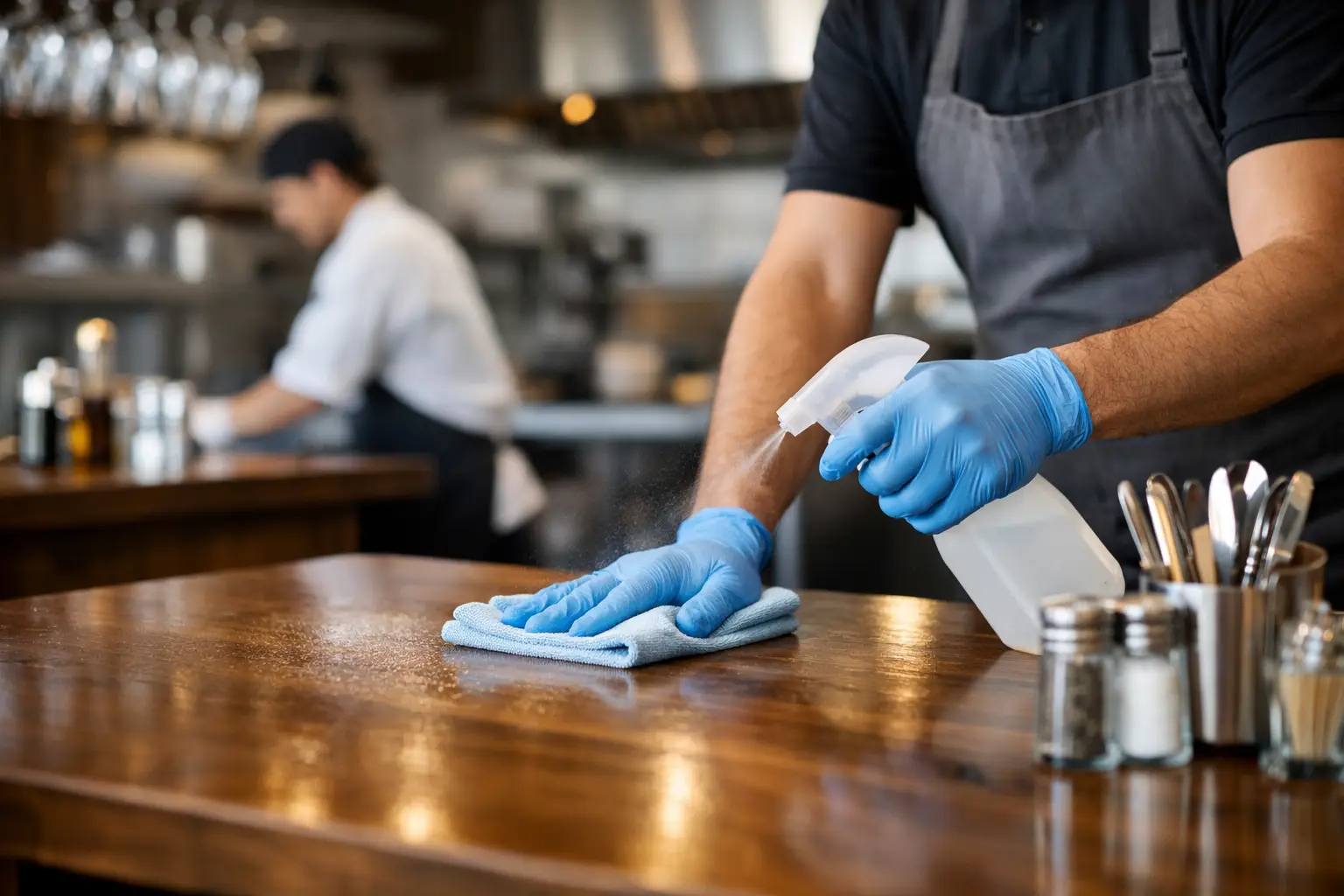
A restaurant can serve an excellent meal and still lose a guest’s trust in seconds. A sticky table edge, smudged restroom mirror, overflowing trash bin, or greasy entry door tells customers that details may be slipping behind the scenes. Daily restaurant cleaning protocols turn cleanliness from a last-minute task into a consistent part of operations.
For restaurant owners and managers, the goal is not simply to make the space look clean at closing time. It is to protect food safety, support employee health, reduce odors and pests, preserve equipment, and keep every customer-facing area ready for service. The most effective routine is specific enough to be accountable and flexible enough to match your hours, volume, layout, and menu.
Start With Clear Cleaning Zones
A daily plan works best when the restaurant is divided into zones with defined responsibilities. The kitchen, prep area, dining room, bar, restrooms, entrance, employee areas, and waste storage all have different risks and cleaning needs. Asking one person to “clean the restaurant” leaves too much open to interpretation.
Assign each zone to a role or shift, then identify who verifies completion. For a small cafe, the same employee may handle multiple zones. In a high-volume restaurant, a closing team, dishwasher, kitchen staff, and contracted cleaning crew may each own separate tasks. What matters is that no area is assumed to be someone else’s responsibility.
Use a simple checklist that records the date, shift, employee initials, and manager sign-off. A checklist is not paperwork for its own sake. It creates consistency during busy periods, makes training easier, and helps managers spot recurring concerns before they become customer complaints or inspection issues.
Follow the Right Order: Clean, Then Sanitize
Cleaning and sanitizing are related, but they are not the same task. Cleaning removes food residue, grease, soil, and visible debris. Sanitizing reduces microorganisms on a properly cleaned surface to safer levels. Applying sanitizer to a greasy prep table will not deliver the intended result.
For food-contact surfaces, staff should remove debris, wash with the appropriate cleaner, rinse when the product directions require it, apply sanitizer at the proper concentration, and allow the surface to air dry. Wiping sanitizer away too quickly can reduce effectiveness. Chemical products must always be mixed, stored, and used according to manufacturer instructions.
This is also where training matters. Employees should know which cloths and tools are used for food prep, restrooms, dining areas, and floors. Color-coded cloths, mop heads, and buckets can reduce cross-contamination when the system is consistently followed. Replace worn tools promptly. A soiled mop or dirty wiping cloth spreads contamination rather than removing it.
Daily Restaurant Cleaning Protocols for the Kitchen
The kitchen needs attention throughout the day, not only after the last ticket is closed. Line cooks should wipe spills as they occur, keep handwashing stations stocked, and remove food scraps from work areas. These small actions reduce slip risks, discourage pests, and prevent buildup that becomes harder to remove overnight.
At closing, focus on the surfaces and equipment that receive the most use. Prep tables, cutting boards, handles, reach-in refrigerator doors, microwave controls, shelving, sinks, and dish areas should be cleaned according to their use and food-safety requirements. Floors should be swept and mopped carefully, including beneath movable equipment where possible.
Grease requires special attention. Cooking surfaces, backsplashes, fryer exteriors, hood-adjacent areas, and floor edges can accumulate residue quickly. Daily wipe-downs help control buildup, but they do not replace scheduled deep cleaning of hoods, vents, equipment interiors, and difficult-to-reach areas. The right frequency depends on cooking volume and the type of food prepared.
Do not overlook drains, trash areas, and the space around dumpsters. Remove waste at the end of service, clean bins when spills occur, and keep lids functional. Persistent odors are often a sign that a drain, floor mat, waste container, or hard-to-reach area needs more than a quick surface wipe.
Keep the Dining Room Ready Between Rushes
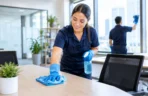
Guests notice the front of house before they see your kitchen. Tables, chairs, menus, condiment stations, booths, host stands, payment terminals, and door handles should be checked continuously during service. The standard should be simple: the next guest should never inherit evidence of the previous one.
Between seatings, remove crumbs and debris, clean and sanitize tables as appropriate, reset condiments, and inspect chairs for spills or sticky residue. During slower periods, staff can address fingerprints on glass, smudges on walls, dust on ledges, and debris beneath tables. These details improve presentation without interrupting service.
Floor care is equally important. Entryways and dining rooms collect moisture, salt, dirt, and food debris throughout the day. Spot-clean spills immediately and place wet-floor signage whenever needed. A full sweep and mop at close supports a cleaner opening, but high-traffic locations may need additional attention after lunch and dinner rushes.
Restrooms Need Frequent Checks, Not One Daily Visit
A restroom can affect a guest’s overall opinion of the restaurant more than almost any other area. It should be inspected on a set schedule and after busy service periods. Refill soap, paper products, and hand sanitizer if provided. Empty waste, clean and disinfect touchpoints, and remove visible water or debris from floors.
Toilets, urinals, sinks, faucets, door handles, dispensers, and baby changing stations require the correct disinfectant and contact time. Floors, grout lines, partitions, and vents need routine care because odors often develop in areas guests do not immediately see. A clean-smelling restroom is helpful, but fragrance should never be used to cover an unresolved sanitation issue.
Build Accountability Into Every Shift
The strongest cleaning protocol is one employees can complete consistently. Avoid creating an unrealistic closing list that encourages staff to rush, skip steps, or sign off without checking their work. If the team regularly falls behind, the issue may be staffing, task allocation, equipment access, or the need for professional support.
Managers should conduct short, practical inspections. Look under tables, along baseboards, around equipment, inside restrooms, and at door handles. Inspect during different shifts, not only before a scheduled audit. A clean dining room at 10 a.m. does not prove the restaurant is being maintained properly during a Friday dinner rush.
Document exceptions, such as a broken dispenser, leaking refrigerator, damaged floor tile, or recurring drain odor. Cleaning can reduce the impact of maintenance issues, but it cannot solve every building problem. Fast reporting protects staff, guests, and the facility.
Know When Daily Service Needs Extra Support
Daily employee cleaning is essential, but it has limits. Restaurants with extended hours, heavy traffic, large dining rooms, multiple restrooms, or high grease production often benefit from a scheduled commercial cleaning partner. A trained team can handle detailed floor care, restroom sanitation, high-touch cleaning, after-hours service, and customized routines without pulling restaurant staff away from guests and food preparation.
The best arrangement depends on your operation. Some restaurants need nightly cleaning support, while others need a few scheduled visits each week plus periodic deep cleaning. HSI Cleaning Services builds service plans around the restaurant’s schedule, cleaning priorities, and operational requirements, using supervised teams and approved products selected for professional environments.
Make Cleanliness Part of the Guest Experience
Daily restaurant cleaning protocols should support service, not compete with it. When teams have clear expectations, proper tools, and enough time to do the job correctly, cleanliness becomes visible in the ways guests value most: a fresh entrance, orderly tables, well-stocked restrooms, safer work areas, and a restaurant that feels cared for.
A dependable routine protects more than appearances. It gives managers greater confidence at every opening, every rush, and every close – and it gives guests one more reason to come back.

About Author

Recent Posts
Property Turnover Cleaning That Protects Move-In Dates
8 Insured Commercial Cleaning Benefits for Businesses