Industrial Cleaning Services Toronto Businesses Trust

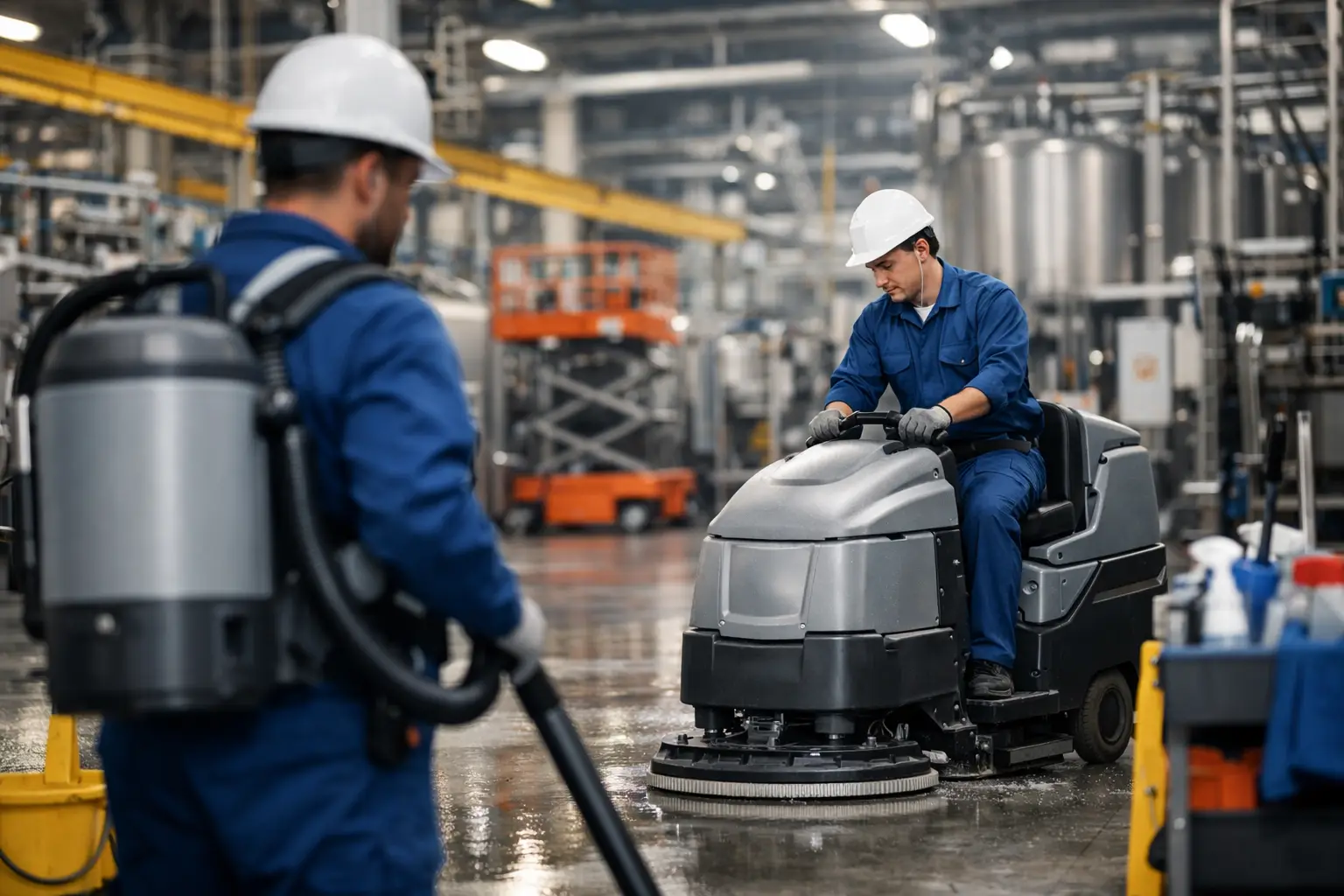
A production floor does not have much patience for missed details. Dust buildup around equipment, residue in hard-to-reach corners, and poorly timed cleaning can slow operations, create safety concerns, and leave managers dealing with avoidable problems. That is why industrial cleaning services Toronto businesses rely on need to do more than make a site look presentable. They need to support uptime, health standards, and day-to-day control.
Industrial environments ask more from a cleaning partner than a standard janitorial checklist can cover. Warehouses, manufacturing spaces, distribution centers, service bays, and other high-traffic facilities deal with heavier soil, stricter safety expectations, and more operational variables. Cleaning in these settings has to be planned around workflow, site risks, and the specific surfaces and contaminants involved.
What industrial cleaning really means
Industrial cleaning is often treated like a broad label, but for facility leaders, the difference matters. In an office, the focus may be desks, washrooms, shared touchpoints, and presentation. In an industrial setting, cleaning has to account for machinery areas, loading zones, production residue, floor conditions, and sanitation practices that affect both staff safety and operational reliability.
That means the right scope is rarely one-size-fits-all. One facility may need routine floor scrubbing, dust control, washroom sanitation, and breakroom cleaning on a daily basis. Another may need scheduled deep cleaning around equipment, high-level dust removal, post-project cleanup, and targeted disinfection in worker common areas. The best service plan is built around the actual site, not a generic package.
Why industrial cleaning services Toronto facilities need are specialized
Toronto and the GTA present a particular mix of pressure points. Many industrial properties operate on tight timelines, with multiple shifts, seasonal peaks, and high movement of people and materials. Some buildings are older and require extra attention to dust, buildup, and floor care. Others are newer, but still need disciplined cleaning to protect finishes, maintain professional standards, and keep work areas safe.
There is also the reality of compliance and perception. Even when a facility is not customer-facing in the traditional sense, cleanliness still affects audits, employee confidence, and management oversight. Visitors, vendors, drivers, inspectors, and staff all notice whether a building feels controlled or neglected.
A dependable cleaning partner helps close that gap. They bring trained teams, clear supervision, approved products, and scheduling flexibility that works around the operation instead of disrupting it.
The business case goes beyond appearance
Facility and operations managers are usually not shopping for cleaning based on appearance alone. They are looking at risk, consistency, and whether the service will create more work for internal teams. Industrial cleaning supports those concerns in practical ways.
Clean floors reduce slip hazards and improve movement through active areas. Controlled dust and debris help protect equipment zones and reduce the spread of particles into offices, lunchrooms, and shared spaces. Proper washroom and touchpoint sanitation supports employee health, especially in facilities with large teams working across shifts. A cleaner environment also sends a straightforward message to staff – standards matter here.
There is a financial side as well. Preventive cleaning can extend the life of floors, reduce premature wear in certain high-use areas, and limit the need for disruptive catch-up cleaning later. It may not eliminate every maintenance issue, but it helps prevent small housekeeping problems from turning into bigger operational ones.
How the right provider approaches industrial cleaning services Toronto-wide
A strong industrial cleaning program starts with a site assessment, not a sales script. Different facilities carry different risks. Some need frequent attention in loading and receiving areas. Some require extra care around employee welfare spaces. Others need project-based deep cleaning after construction, equipment work, or layout changes.
The provider should ask practical questions. What shifts are running? Which areas are highest traffic? Where does debris accumulate? What cannot be interrupted? What cleaning needs to happen daily, and what should be handled weekly or monthly? This is where experience matters, because a realistic plan respects the flow of the building.
Scheduling is a major part of service quality. Overnight cleaning may be ideal in one facility, while another needs support between shifts or during lower-volume production windows. Flexibility matters, but so does consistency. If crews change constantly or site instructions are loosely managed, quality usually follows the same pattern.
That is why supervision and communication matter just as much as the cleaning itself. A bonded, insured, and professionally managed team gives decision-makers more confidence that site protocols will be followed and issues will be addressed quickly.
What to look for in an industrial cleaning partner
Not every commercial cleaner is equipped for industrial work. That does not mean the largest provider is always the best fit, but it does mean buyers should look past general claims and ask how the service is actually delivered.
Experience in multiple facility types is a strong sign, especially when the provider understands the difference between warehouse cleaning, dealership cleaning, restaurant support spaces, and standard office janitorial work. Product selection matters too. Health Canada-approved products are an important trust signal for businesses that care about sanitation, workplace health, and responsible cleaning practices.
Responsiveness is another factor that gets overlooked until there is a problem. Industrial sites change quickly. A spill response, post-renovation cleanup, or service adjustment may be needed with little notice. Providers that are easy to reach and able to adapt are more valuable than those with a long service menu but weak follow-through.
It is also worth paying attention to how customized the proposal is. If every facility gets the same frequency, same tasks, and same assumptions, the service is probably being oversimplified. A better partner will identify priorities, separate routine from periodic work, and explain how quality will be monitored.
Common service needs in industrial environments
Most industrial sites do not need every service every day, but they do need the right combination. Floor care is usually central, particularly in spaces where dirt, moisture, packaging debris, or tracked-in material accumulate quickly. Washroom cleaning and replenishment are non-negotiable in busy facilities, and breakrooms often need more attention than managers expect.
High-touch disinfection remains important in shared employee areas, especially where large teams rotate through entrances, locker zones, and lunch spaces. Deep cleaning may also be required in hard-to-reach areas where dust and residue build up over time. Post-renovation cleaning is another common need, since construction dust can spread far beyond the work zone and interfere with normal operations if not handled properly.
Carpet cleaning may sound less relevant in an industrial article, but many mixed-use facilities include offices, meeting rooms, and front-facing administrative spaces. A provider that can handle both the operational floor and the office side simplifies vendor management.
The trade-off between lowest price and reliable service
Price matters. Every facility budget has limits, and procurement teams are right to compare options carefully. But with industrial cleaning, the lowest quote can become expensive if the scope is thin, supervision is weak, or crews are not trained for the setting.
A cheaper contract may leave out periodic deep cleaning, proper quality checks, or enough labor hours to maintain standards consistently. The result is often familiar – complaints rise, issues get escalated internally, and management ends up spending time chasing a service that was supposed to reduce workload.
A better approach is to compare value. Look at scope clarity, scheduling fit, insurance, supervision, product standards, and whether the provider has the operational discipline to deliver reliably over time. That is usually where trust is built.
Why local knowledge matters
Industrial cleaning in Toronto is not just about geography. It is about understanding the pace and variety of the region’s facilities. Downtown service access, suburban industrial parks, multi-tenant buildings, and GTA logistics corridors all come with different service realities. Traffic, access windows, building rules, and staffing logistics can affect performance if they are not planned for properly.
A company with broad regional coverage and a practical understanding of local operations is often better positioned to keep service consistent across sites. For businesses managing multiple locations, that can make a meaningful difference. HSI Cleaning Services is one example of a provider built around that kind of flexible, region-wide support.
Choosing a cleaner facility without adding operational friction
The best industrial cleaning services Toronto companies invest in are the ones that make facility management easier, not more complicated. They show up consistently, work safely, communicate clearly, and adapt when the site changes. Most of all, they understand that cleaning is tied to health, presentation, and productivity at the same time.
If your facility has been relying on a basic janitorial model for an industrial environment, it may be worth reassessing what the site actually needs. A cleaner, healthier workplace is not just about standards on paper. It is about giving your operation one less thing to worry about when the day gets busy.

About Author

Recent Posts

Property Turnover Cleaning That Protects Move-In Dates

8 Insured Commercial Cleaning Benefits for Businesses