Retail Store Daily Cleaning Checklist

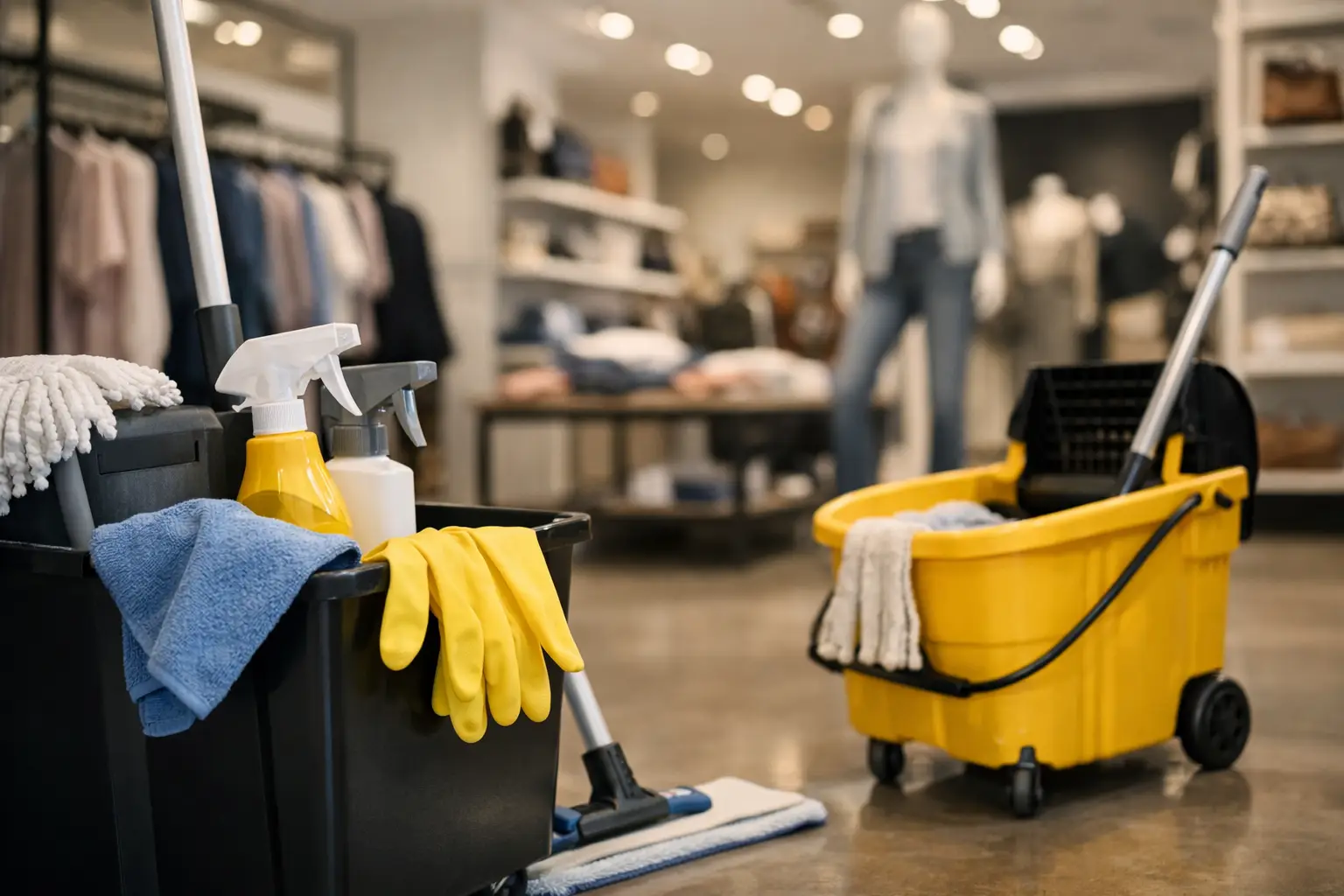
A retail floor can look fine at 10 a.m. and tired by 2 p.m. Fingerprints build up on glass, fitting rooms collect dust and tags, restrooms lose freshness, and entryways track in everything from rainwater to street salt. That is why a retail store daily cleaning checklist matters. It protects the customer experience, supports staff health, and helps managers keep standards consistent across busy shifts.
For most retail operators, the challenge is not knowing that cleaning matters. The challenge is making sure it happens thoroughly, on time, and without disrupting sales. A useful checklist should reflect how a store actually runs – opening prep, daytime touch-ups, and closing tasks all have different priorities.
What a retail store daily cleaning checklist should cover
A strong retail store daily cleaning checklist is built around customer visibility, health-sensitive touchpoints, and operational risk. That means focusing first on the areas shoppers notice immediately, then the places staff rely on throughout the day, and finally the surfaces that can quietly affect hygiene and safety if they are missed.
Store entrances set the tone. If glass doors are streaked, mats are full of debris, or the floor near the threshold looks neglected, customers notice before they see a single product display. Sales floors come next. Dust on shelving, smudges on mirrors, litter under fixtures, and dirty baseboards can make even a well-merchandised store feel poorly managed.
Then there are the practical areas that influence health and service quality more than appearance alone. Restrooms, break rooms, fitting rooms, checkout counters, payment terminals, and shared staff touchpoints need daily attention because they collect frequent hand contact. In high-traffic environments, some of these areas may need service more than once a day.
Opening cleaning tasks that prepare the store for business
The opening shift is about presentation and prevention. Before customers arrive, the store should look fully reset from the previous day.
Start with entryways and storefront glass. Doors, handles, push plates, windows, and any visible exterior-facing glass should be cleaned so smudges do not become the first impression. Mats should be vacuumed or shaken out as needed, and the floor near the entrance should be checked for dirt, moisture, or slip hazards.
On the sales floor, hard floors should be swept and mopped, while carpeted areas should be vacuumed with attention to corners, edges, and under display fixtures where debris tends to collect. Dusting should include shelves, ledges, product displays, cash wraps, signage bases, and low-reach surfaces that customers can easily see. Mirrors should be polished and spot-free.
Fitting rooms deserve special attention. Hangers, tags, dust, and discarded packaging build up quickly, and these rooms directly affect whether shoppers feel comfortable spending time in the store. Benches, mirrors, door handles, and flooring should all be cleaned before opening.
Restrooms should be inspected and fully serviced. Toilets, urinals, sinks, counters, mirrors, dispensers, partitions, and floors all need cleaning and sanitizing. Supplies should be restocked, and waste bins should be emptied. If a restroom smells unclean, customers will assume the rest of the store is managed the same way.
At checkout areas, counters, touchscreens, card terminals, pens, and surrounding surfaces should be disinfected. These are high-contact points, and they are also places where customers pause long enough to notice details.
Midday cleaning keeps standards from slipping
Daily cleaning is not only an opening and closing responsibility. In many stores, the real test is what happens during business hours.
Midday attention should focus on touch-up cleaning and quick response. If weather is poor, entry floors may need repeated mopping and mat changes. If traffic is heavy, fitting rooms may need multiple resets. If the store sells beauty, electronics, groceries, or other hands-on products, display cleaning may need to happen throughout the day.
This is where checklists need some flexibility. A luxury boutique and a discount retailer will not have the same pace, and neither will a small specialty shop and a large-format store. Still, certain standards are universal. Spills should be cleaned immediately. Waste should never overflow. Restrooms should be checked regularly. Glass should stay clear enough to support the brand image. Staff break areas should remain sanitary enough to support employee wellbeing.
For managers, it helps to assign midday cleaning by zone rather than by vague instruction. When employees know exactly which area they own and what acceptable condition looks like, accountability improves.
Closing tasks that reset the store properly
Closing cleaning is where many stores either protect tomorrow’s opening or create tomorrow’s problems.
Once foot traffic slows, staff or cleaning teams should complete a full floor reset. That usually includes spot removal, sweeping, vacuuming, and mopping, depending on the surface type. Under-register areas, fitting rooms, corners, and spaces behind movable displays should be checked rather than skipped. Dirt often settles in the places customers do not inspect directly, but those areas still affect odor, dust levels, and overall cleanliness.
Trash removal should cover both customer-facing and back-of-house bins. Leaving garbage overnight attracts odors and can create pest concerns, especially in mixed-use plazas or stores with food items. Back rooms, receiving zones, and staff kitchens should not be overlooked simply because customers do not see them.
Disinfection is also important at close. Door handles, counters, shared devices, railings, light switches, and restroom fixtures should be cleaned with approved products and according to surface needs. The goal is not only visible neatness. It is to reduce residue and contamination on the surfaces people touch most.
Areas stores often forget on a daily checklist
Some cleaning issues repeat because they sit just outside the obvious routine. Baseboards, kick plates, undersides of counters, stockroom floors, back-door handles, time clocks, and employee lockers are common examples. They do not always stand out on a quick walk-through, but over time they contribute to a general sense of neglect.
Another missed area is air quality support. Daily cleaning should include attention to dust control, especially around vents, front displays, and shelving where particles settle visibly. Stores that ignore this tend to feel stale even when floors are clean.
High-touch technology also deserves more attention than it often gets. Self-checkout screens, handheld scanners, tablets, and shared communication devices can become hygiene weak spots if no one owns the task.
How to make the checklist workable for staff and vendors
The best checklist is one people can actually follow during a live retail day. If it is too broad, tasks get skipped. If it is too detailed without priority levels, staff may spend too much time on low-impact items while missing urgent ones.
A practical approach is to organize by time of day and store zone, then identify which tasks are clean, sanitize, inspect, restock, or respond. That sounds simple, but it matters. Cleaning a mirror is different from disinfecting a payment terminal, and both are different from checking restroom supplies.
It also helps to build in inspection points. Managers should not assume that completed means completed well. Short documented walk-throughs can catch missed tasks before customers do.
If you outsource retail cleaning, the checklist should match store operations, not force operations to match a generic cleaning template. A dependable provider will adjust scope based on store size, traffic volume, flooring materials, fitting room use, restroom demand, and business hours. That is especially important for multi-location retailers or stores that need early morning, evening, or overnight service.
For many operators, outsourcing becomes the better option when internal teams are stretched thin or cleaning quality varies by shift. A professional partner can provide more consistency, stronger supervision, and access to approved products that support both hygiene and surface care. Companies such as HSI Cleaning Services typically build daily retail cleaning plans around the actual conditions of the site rather than a one-size-fits-all schedule.
When daily cleaning is not enough
A daily checklist handles routine presentation and hygiene, but it does not replace periodic deeper work. Floor finish restoration, carpet extraction, high dusting, washroom descaling, fixture detailing, and post-renovation cleanup all fall outside standard daily scope.
This matters because some retail managers expect daily service to solve every appearance issue. It will not. If floor grout is stained, carpets are embedded with soil, or neglected corners have built-up dust, daily maintenance can only do so much. Strong results depend on matching the right cleaning frequency to the actual condition of the space.
That is also why walkthroughs matter. A store can be technically cleaned every day and still fall short if the checklist is outdated or too light for the traffic level. Seasonal weather, promotions, holiday volume, and staffing changes all affect what daily cleaning should include.
A reliable checklist is less about paperwork and more about consistency. When every shift knows what clean looks like, when high-touch surfaces are handled with care, and when visible and hidden areas are both addressed, the store performs better. Customers notice. Staff notice. And managers spend less time chasing issues that should have been handled before they became complaints.
If your current routine feels reactive, that is usually the sign to tighten the checklist, clarify ownership, or bring in support that can keep pace with the demands of retail.

About Author

Recent Posts

Property Turnover Cleaning That Protects Move-In Dates

8 Insured Commercial Cleaning Benefits for Businesses