Industrial Cleaning Services North York

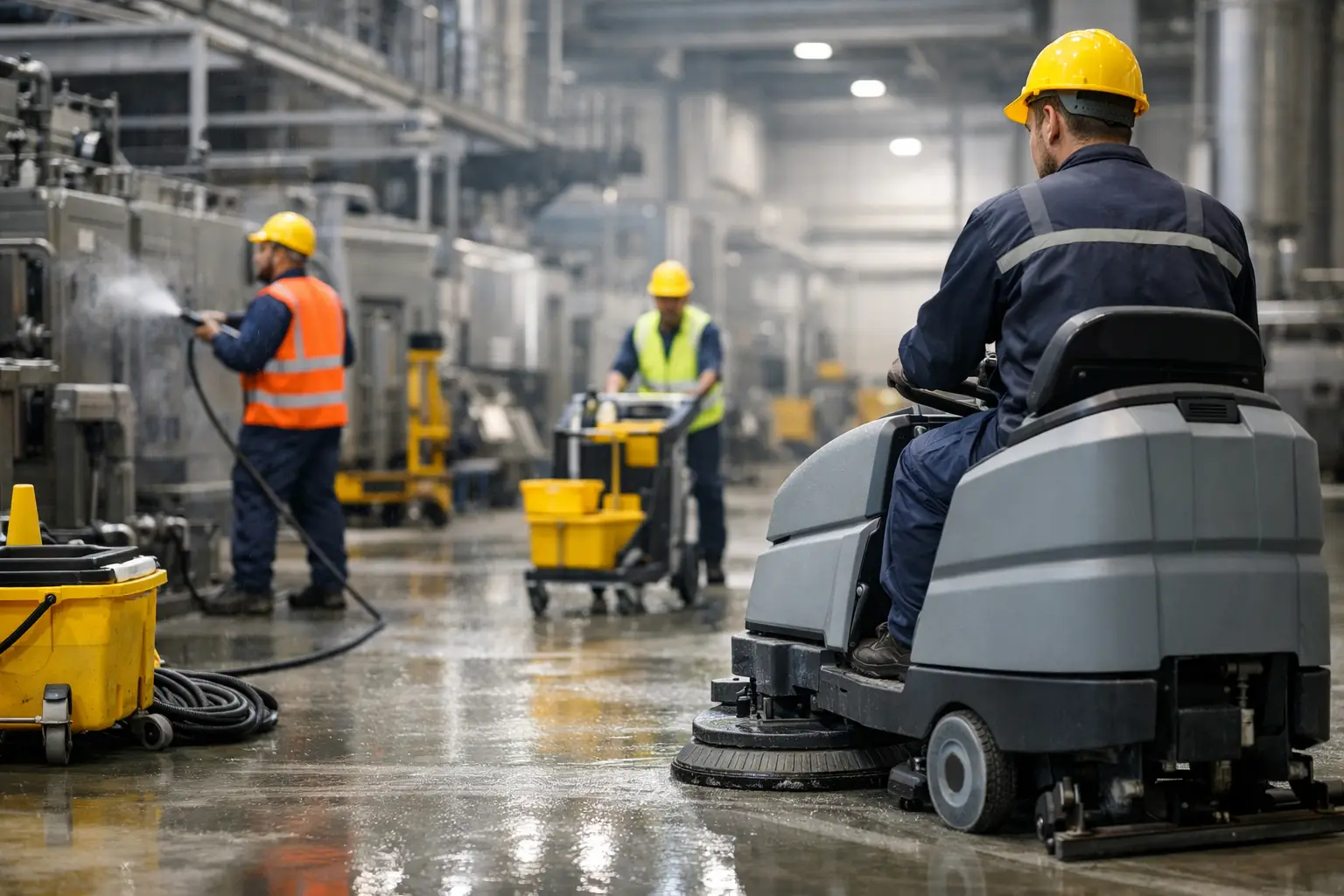
A dusty warehouse aisle, a greasy production line, or a loading area with constant foot and vehicle traffic can turn into a safety issue faster than most managers expect. That is why industrial cleaning services North York businesses rely on are not just about appearance. They are part of day-to-day operations, staff safety, and the overall health of the workplace.
Industrial facilities deal with a different level of wear than standard commercial spaces. Dirt builds up faster, spills carry greater risk, and neglected surfaces can affect equipment, workflow, and compliance expectations. In North York, where industrial properties range from warehouses and logistics hubs to manufacturing and processing environments, cleaning needs to be practical, scheduled properly, and handled by a team that understands how these spaces function.
What industrial cleaning services in North York should cover
Industrial cleaning is broader than many buyers first assume. It may include floor scrubbing, degreasing, dust control, washroom sanitation, breakroom cleaning, waste removal, and cleaning around production or storage areas. In some facilities, it also means high-touch disinfection, loading dock cleanup, and post-project cleaning after maintenance or renovations.
The right scope depends on the building and the risks inside it. A warehouse with high forklift traffic needs a different approach than a food-adjacent facility, a machine shop, or a distribution center handling frequent inbound and outbound shipments. The cleaning plan has to match the environment, not the other way around.
That is where many service issues start. Some providers treat industrial sites like large offices. The result is a checklist that looks fine on paper but misses the realities of dust migration, grease buildup, floor safety, and shift-based traffic. Industrial cleaning needs a more disciplined process.
Why industrial cleaning services North York companies choose matter
For business owners and facility managers, cleaning is often judged by what does not go wrong. Floors stay safe. Restrooms stay stocked and sanitary. Debris does not collect in corners or around equipment. Staff can work without raising repeated complaints. Visitors, auditors, and tenants see a site that is being managed properly.
There is also a health and productivity side to it. Poor sanitation in shared spaces can affect employee experience quickly, especially in breakrooms, washrooms, entrances, and high-touch points. Dust and residue can also spread beyond production areas into offices and common areas. A cleaner environment supports a more professional operation and reduces the sense that maintenance is always one step behind.
Cost matters too, but the cheapest option is rarely the most stable one. Missed visits, poor supervision, or inconsistent results create hidden costs through complaints, rework, and operational disruption. A dependable cleaning partner helps avoid those gaps.
The real difference between commercial and industrial cleaning
Commercial cleaning usually focuses on presentation, daily upkeep, and general sanitation in offices, retail spaces, or public-facing areas. Industrial cleaning includes those basics, but it also has to account for heavier residue, more demanding surfaces, tighter safety requirements, and more complicated scheduling.
In an industrial setting, timing is often as important as technique. Some cleaning has to happen after shifts. Some tasks need to be scheduled around equipment use, deliveries, or production windows. In certain facilities, cleaners must work carefully around sensitive areas without interfering with operations.
That is why flexibility matters. A provider may be able to clean well, but if they cannot adapt to your hours, floor conditions, and traffic patterns, the service will eventually create friction.
What to look for in an industrial cleaning partner
A reliable industrial cleaning provider should start by assessing the site, not offering a one-size-fits-all quote. North York facilities vary widely in layout, volume, and risk level. A useful proposal reflects square footage, use patterns, floor types, problem areas, and required frequency.
Insurance and bonding are essential. So is team supervision. Industrial sites often need stronger quality control because missed details can have a bigger impact than they would in a typical office environment. You want a crew that is trained, accountable, and supported by clear reporting and oversight.
Cleaning products matter as well. Health-focused businesses increasingly want safe, effective products that support sanitation standards without creating unnecessary concerns for staff or visitors. In many cases, approved products and consistent procedures give managers more confidence than broad claims ever will.
Responsiveness is another major factor. Things change quickly in industrial spaces. A spill, a construction project, a staffing surge, or a seasonal rush can all affect cleaning needs. A provider should be able to adjust the service plan without turning a simple request into a long delay.
Common problem areas in North York industrial facilities
Most industrial properties have recurring trouble spots. Entrances and receiving areas collect dirt, moisture, and salt during wet or winter months. Warehouse floors show tire marks, dust trails, and debris from pallets and packaging. Washrooms and lunchrooms often need more attention than expected because of steady daily use.
Then there are the areas that get ignored until they become obvious. Baseboards in storage zones, corners behind doors, low-level ledges, interior glass, and shared touchpoints tend to tell the real story of whether a cleaning program is being maintained properly. If those details are consistently missed, the overall service is usually inconsistent too.
Facilities with multiple functions under one roof need even more planning. It is common in North York to see office areas attached to warehouses or customer-facing zones connected to back-of-house operations. Those mixed environments need cleaning standards that reflect both presentation and industrial practicality.
How frequency should be decided
There is no single correct frequency for every building. Daily service may be necessary for high-traffic operations, facilities with strict sanitation expectations, or buildings where staff and visitors move constantly between spaces. Other sites may need a mix of daily touchpoint cleaning, several weekly floor services, and periodic deep cleaning.
The best schedule is based on use, not assumptions. A smaller but heavily used facility can need more frequent cleaning than a larger site with lighter traffic. Seasonal changes also affect demand. Winter moisture, spring debris, and year-end operational pushes can all justify adjustments.
A good cleaning plan should be flexible enough to scale. That helps businesses avoid overpaying for unnecessary tasks while still covering critical areas properly.
Why customized service plans work better
Standardized routines help with consistency, but industrial cleaning still needs customization. A dealership service bay, a distribution center, and a manufacturing site will not produce the same waste, residue, or floor wear. Even two warehouses in the same part of North York can have different needs depending on inventory, staffing, and operating hours.
Customized service plans make it easier to assign the right tasks at the right intervals. They also improve communication. When expectations are clearly documented, managers know what is included, cleaning teams know what standards to meet, and quality checks become much easier to measure.
This is often where a professional provider stands apart from a generic vendor. A company such as HSI Cleaning Services approaches industrial cleaning as an operational service, not just a janitorial add-on. That distinction matters when reliability and health standards are part of the buying decision.
Industrial cleaning supports safety, image, and retention
Cleanliness affects more than inspections and first impressions. It shapes how employees feel about the workplace. A facility that is sanitary, orderly, and well maintained sends a message that management takes standards seriously. That can influence morale, especially in environments where teams work long shifts and use shared amenities every day.
It also affects how clients, tenants, vendors, and partners view the business. A clean industrial space does not need to look polished in a corporate sense, but it should look controlled, safe, and professionally managed. That is the standard many decision-makers are aiming for.
North York businesses often need that balance. They want a site that operates efficiently, protects staff, and presents well without interrupting production or daily logistics. Good cleaning supports all three.
When you are evaluating industrial cleaning services in North York, the question is not simply who can mop floors or empty bins. It is who can deliver consistent results, work around your operation, and help maintain a cleaner, healthier facility over time. The right fit makes the workday easier for everyone who walks through the building.

About Author

Recent Posts

Property Turnover Cleaning That Protects Move-In Dates

8 Insured Commercial Cleaning Benefits for Businesses