Office Cleaning Services That Keep Work Moving

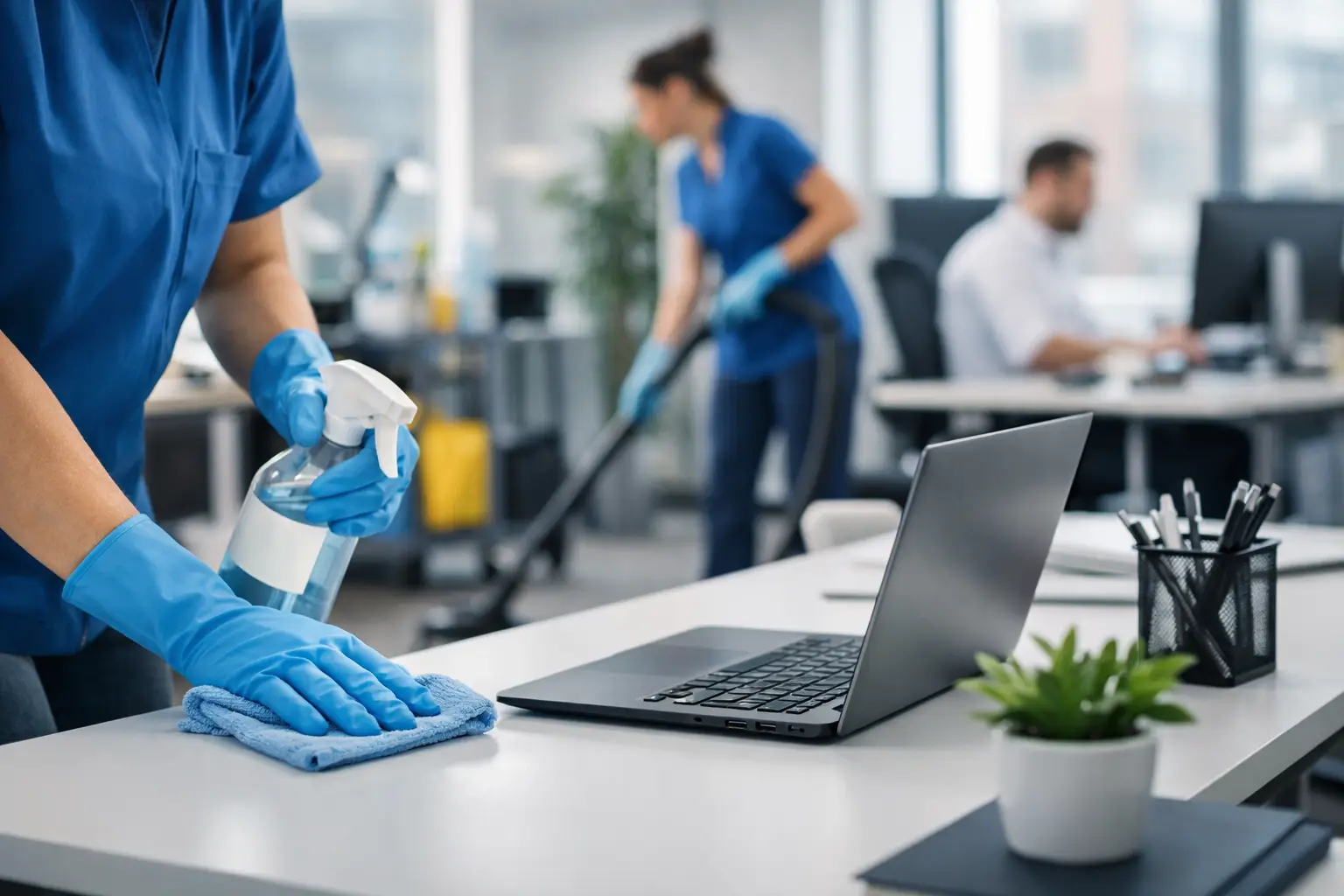
A sticky boardroom table, fingerprints on a glass entry door, and an overflowing restroom bin can change how employees and visitors feel about a workplace in seconds. Professional office cleaning services address the details that busy teams do not have time to manage, while supporting a cleaner, healthier environment for everyone who enters the building.
For office managers, property managers, and business owners, the goal is not simply to make a space look presentable before a client visit. It is to maintain reliable standards day after day, even when schedules shift, teams grow, weather changes, and high-traffic areas take a beating. The right cleaning partner helps make that consistency part of normal operations.
What Office Cleaning Services Should Cover
Office cleaning is most effective when it is built around how the space is actually used. A small professional office with a handful of employees has different needs than a multi-floor workplace, shared commercial building, medical-adjacent office, or customer-facing sales center.
A recurring plan usually includes the everyday work that keeps the office functional: vacuuming carpets and mats, mopping hard floors, dusting accessible surfaces, emptying waste and recycling, cleaning restrooms, and maintaining break rooms. Entryways, elevator areas, reception desks, conference rooms, and shared kitchens typically require greater attention because they shape first impressions and accumulate soil quickly.
Health-focused cleaning also requires attention to high-touch points. Door handles, light switches, railings, appliance handles, shared equipment, and restroom fixtures can be cleaned and disinfected according to the needs of the workplace. Cleaning and disinfecting are related but different tasks. Cleaning removes visible soil and residue, while disinfection uses an appropriate product and contact time to reduce germs on a cleaned surface. Both matter when maintaining a healthy office.
A dependable provider should also be prepared to add periodic work when needed. Carpet cleaning, interior glass cleaning, deep cleaning, post-renovation cleanup, and detailed floor care may not be part of every visit, but they prevent long-term buildup and help protect the condition of the property.
Why Consistent Office Cleaning Services Matter
Cleanliness is often treated as a background expense until there is a problem. Employees complain about restrooms, visitors notice odors, a spill creates a safety concern, or a property inspection reveals neglected areas. By then, the business is responding to an issue rather than managing it proactively.
A consistent cleaning schedule supports employee comfort and confidence. People work more comfortably in spaces with clean restrooms, stocked supplies, fresh break rooms, and orderly shared areas. While cleaning cannot eliminate every illness risk, routine cleaning and appropriate disinfection can help reduce the buildup of dirt and germs on frequently touched surfaces.
It also protects your professional image. Reception areas and meeting rooms carry particular weight when customers, candidates, vendors, and building representatives visit. A clean environment signals organization, care, and attention to detail. That impression is difficult to create with occasional emergency cleaning.
There is a practical asset-management benefit as well. Grit in entrance mats, stains in carpet, spills on hard flooring, and neglected upholstery can shorten the usable life of finishes and furnishings. Regular maintenance is usually more cost-effective than premature replacement or an intensive restoration project.
Build a Schedule Around Traffic, Not Assumptions
The right frequency depends on occupancy, layout, public traffic, industry requirements, and how employees use the space. A daily cleaning program is often the best fit for busy offices, shared workspaces, customer-facing locations, and buildings with heavily used restrooms or break rooms. Smaller offices with limited traffic may need service several times a week instead.
The schedule should not be based only on square footage. A compact office with a busy reception desk, employee kitchen, and frequent client meetings may need more service than a larger, quiet office with hybrid staff. Ask how many people use the space on a typical day, which rooms get the most traffic, whether food is prepared on-site, and where visitors spend time.
Timing matters too. After-hours cleaning can minimize disruption and allow cleaners to work through common areas efficiently. Day porter service can be a better choice for locations that need ongoing restroom checks, spill response, lobby touch-ups, and waste removal during business hours. Some workplaces benefit from a combination of both.
What to Look for in a Cleaning Partner
Price matters, but the lowest quote is not always the best operating value. A service provider that misses visits, changes staff without communication, or overlooks recurring issues can create more work for your internal team. The strongest partnership is built on clear scope, reliable supervision, and a process for resolving concerns quickly.
Start by confirming that the provider is bonded and insured. This is a basic safeguard for any company working in your office after hours or around valuable equipment and confidential areas. Ask how cleaners are trained, whether supervisors conduct quality checks, and how the company handles access procedures, alarm codes, keys, and restricted spaces.
Product selection should also be part of the conversation. Health Canada-approved cleaning and disinfecting products can support a health-conscious program when they are used correctly and according to label directions. However, stronger is not always better. Offices with fragrance sensitivities, delicate surfaces, food areas, or specific sustainability standards may need product choices tailored to those conditions.
A clear checklist is useful, but it should not become a rigid document that ignores real conditions. The best cleaning plans establish core tasks while allowing the team to respond to seasonal dirt, event cleanup, unexpected spills, changing occupancy, or a high-priority client visit.
Questions to Ask Before Signing a Contract
Before choosing a provider, discuss how service will work in practice. You should know who your main contact is, how quickly the team responds to requests, and what happens if a scheduled cleaner is unavailable. Ask how performance is checked and how often the scope is reviewed.
It is also reasonable to ask for a walkthrough before receiving a quote. A walkthrough gives the provider a chance to identify flooring types, restroom conditions, storage access, waste volume, high-touch areas, and any special cleaning requirements. It gives your team a chance to explain priorities that are easy to miss on a floor plan.
Be specific about what is included and what is not. For example, standard nightly cleaning may cover the outside of a microwave but not a deep interior appliance clean. It may include vacuuming carpet but not extraction cleaning for stains. Clear expectations prevent avoidable disappointment and make it easier to compare proposals fairly.
Make Cleaning Part of Workplace Operations
Even an excellent cleaning team works best when the office supports the process. Designate storage space for supplies and waste, communicate access changes promptly, and ensure cleaners can reach the areas included in the scope. If employees regularly leave food overnight, stack boxes in hallways, or store personal items on common surfaces, cleaning takes longer and results may be less consistent.
A simple reporting process helps as well. Encourage staff to report spills, supply shortages, odors, or recurring concerns early. Small problems are easier to resolve before they affect a customer visit, employee experience, or building condition.
HSI Cleaning Services approaches office cleaning as an operational partnership, with customized plans, trained teams, supervised quality control, and health-conscious products suited to the needs of each location. Whether your office needs daily attention or a flexible recurring schedule, consistency should remain the standard.
A well-maintained office does not call attention to itself because everything works as it should: floors are cared for, restrooms are ready, shared spaces feel comfortable, and your team can focus on the work that moves the business forward.

About Author

Recent Posts

Property Turnover Cleaning That Protects Move-In Dates

8 Insured Commercial Cleaning Benefits for Businesses