When Deep Cleaning Services Make Sense

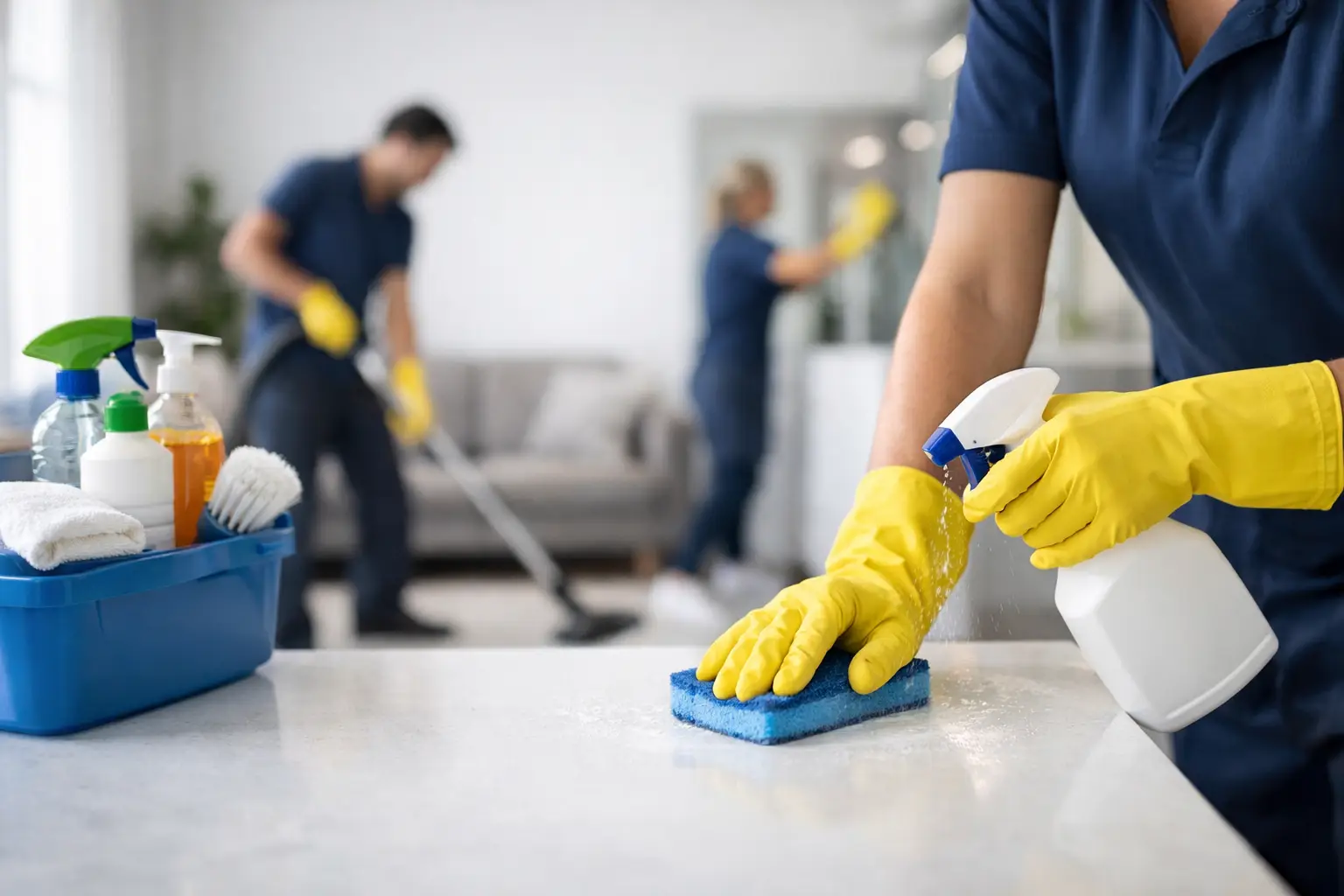
A workspace can look clean at first glance and still miss the areas that affect health, presentation, and day-to-day operations. That is where deep cleaning services make a real difference. For businesses, they are not just about appearance. They address buildup, high-touch surfaces, neglected zones, and hard-to-reach areas that routine cleaning may not fully resolve.
For office managers, restaurant operators, property managers, and retail teams, the question is usually not whether a deeper clean has value. The real question is when to schedule it, what it should include, and how to make sure it supports the way your business actually runs.
What deep cleaning services actually cover
Deep cleaning services go beyond the visible surfaces handled during standard daily or weekly cleaning. Routine service is designed to maintain order and hygiene. Deep cleaning is designed to reset the environment.
That reset can include detailed disinfection of high-touch points, treatment of restrooms and breakrooms, removal of grime from corners and edges, cleaning behind and under furniture or equipment, spot treatment of walls and doors, and attention to vents, baseboards, and other overlooked surfaces. In commercial settings, it may also involve floor care, carpet treatment, and targeted sanitation in areas with heavier traffic or stricter hygiene expectations.
The exact scope depends on the facility. A corporate office has different pressure points than a restaurant kitchen or a dealership showroom. That is why a one-size-fits-all checklist rarely works well. The right service plan reflects how the space is used, where contamination or buildup happens fastest, and which areas matter most to staff, visitors, and inspectors.
Why routine cleaning is not always enough
Routine cleaning is essential, but it is built for consistency, not correction. It keeps surfaces presentable, trash managed, washrooms stocked, and common areas under control. Over time, though, even well-maintained facilities develop issues that standard service is not meant to solve on its own.
Think about the dust that settles on vents and ledges, the grime around restroom fixtures, the fingerprints on doors and partitions, or the debris that collects under desks, shelving, and equipment. In restaurants and food-adjacent spaces, grease and residue can build up in ways that affect both cleanliness and compliance. In retail and office environments, buildup may be less dramatic, but it still impacts the look and feel of the workplace.
This is where deep cleaning becomes a practical business decision. It helps protect the standard your routine service is trying to maintain. Without periodic deeper attention, small issues become harder to manage, and the overall quality of the space starts to slip.
Signs your facility needs deep cleaning services
Sometimes the need is obvious. After renovations, seasonal traffic spikes, move-ins, move-outs, or special events, the facility simply needs more than a regular cleaning visit can deliver. Other times, the signs are more subtle.
If restrooms never seem fully fresh, if floors look dull even after cleaning, if dust returns quickly, or if customers and staff are noticing odors, it may be time for a deeper service. The same applies when illness concerns increase, when inspection readiness matters, or when your team is preparing for client visits, leasing activity, or a change in occupancy.
There is also a preventive side to this. Many businesses schedule deep cleaning services before conditions become visible problems. That approach often saves time and frustration because it keeps the environment at a higher standard rather than trying to recover from neglect.
Deep cleaning services by facility type
Not every property needs the same level of detail in the same places. A useful deep cleaning plan starts with the operating reality of the site.
Offices and shared workplaces
In offices, the priorities often center on workstations, meeting rooms, kitchens, washrooms, floors, and touchpoints. Shared desks, reception counters, elevator buttons, door hardware, and breakroom appliances can hold more buildup than people expect. A deeper clean supports employee wellness, reduces distraction from cluttered or tired-looking spaces, and helps maintain a professional impression for visitors.
Retail stores and customer-facing environments
Retail spaces need to look consistently polished. Displays, fitting areas, checkout stations, glass, flooring, and entrances all shape the customer experience. Deep cleaning helps restore presentation in the areas customers notice immediately, while also addressing hidden buildup in storage areas, staff rooms, and corners that routine cleaning may move past quickly during busy periods.
Restaurants and food-service businesses
Restaurants have less room for compromise. Daily cleaning is critical, but heavy-use equipment zones, grease-prone surfaces, washrooms, and back-of-house areas often require scheduled deep cleaning to stay ahead of buildup. This supports hygiene, inspection readiness, and a better environment for both staff and guests.
Industrial and specialty spaces
Warehouses, production settings, and other industrial sites need a more specialized approach. Deep cleaning may focus on dust control, floor buildup, high-touch operational surfaces, and employee common areas. In these environments, safety matters as much as appearance, so the work should align with the site’s traffic patterns, equipment use, and access requirements.
What to expect from a professional provider
A dependable cleaning partner should start with a clear assessment of the space. That means asking about your schedule, occupancy, pain points, industry requirements, and any areas of concern. From there, the scope should be customized, not guessed.
Professional deep cleaning services should also be supported by trained crews, proper supervision, and products appropriate for the setting. For many businesses, especially those focused on employee health and public-facing cleanliness, product selection matters. Health Canada-approved products, clear sanitation practices, and an insured, bonded team are not minor details. They are part of risk management.
Timing matters too. Deep cleaning should work around your operations, not disrupt them unnecessarily. Some facilities need after-hours service. Others need staged cleaning across multiple areas or dates. A provider that understands operational flexibility is easier to work with and more likely to deliver consistent results.
The trade-off between cost and frequency
One of the most common questions is how often deep cleaning should happen. The honest answer is that it depends on the type of business, foot traffic, cleaning frequency, and the expectations attached to the space.
A medical-adjacent office, a busy restaurant, and a low-traffic professional suite should not be put on the same schedule. Higher-use environments may need regular deep cleaning built into a monthly or quarterly plan. Lower-use spaces may only need it seasonally or around key events.
Trying to stretch the timeline too far can create a false savings. The longer buildup sits, the more labor is usually needed to remove it, and the more likely it is that the environment starts to feel worn or poorly maintained. On the other hand, over-servicing a low-impact site may not be the best use of budget. The right approach balances appearance, health priorities, operational demands, and long-term upkeep.
How deep cleaning supports healthier workplaces
Cleanliness is not only about what clients see. It affects how people feel in the space and how confidently they use it. In shared commercial environments, better attention to touchpoints, washrooms, kitchens, and overlooked surfaces can support a healthier workplace overall.
That matters for staff morale, visitor confidence, and business continuity. When a workplace feels cared for, it reflects positively on management and the brand behind the space. It also shows employees and customers that hygiene standards are being taken seriously.
For this reason, deep cleaning services are often part of a broader facilities strategy, not a one-time reaction. They help maintain standards between inspections, support seasonal health concerns, and strengthen the results of routine janitorial service.
Choosing deep cleaning services with confidence
A quote should not just give you a number. It should show that the provider understands your facility and has a plan for delivering results. Ask how the service scope is built, what areas are included, what products are used, how quality is checked, and whether the crew is trained for your type of site.
It is also worth asking how the company handles communication. Responsive service matters, especially if your needs change, your hours shift, or you want to expand from a one-time deep clean into a recurring plan. A cleaning partner should be easy to reach, clear in expectations, and consistent in follow-through.
For businesses across the Toronto and GTA market, that level of reliability is exactly what providers like HSI Cleaning Services are built to support. The goal is not simply to clean a space once. It is to help businesses maintain healthier, better-performing environments with service that fits the real demands of the site.
If your facility looks acceptable but no longer feels fully clean, that is usually the signal. Deep cleaning works best before standards slip too far, when it can restore the space, support your team, and give your operation a stronger foundation moving forward.

About Author

Recent Posts

Property Turnover Cleaning That Protects Move-In Dates

8 Insured Commercial Cleaning Benefits for Businesses