Office Disinfection After Illness: A Practical Plan

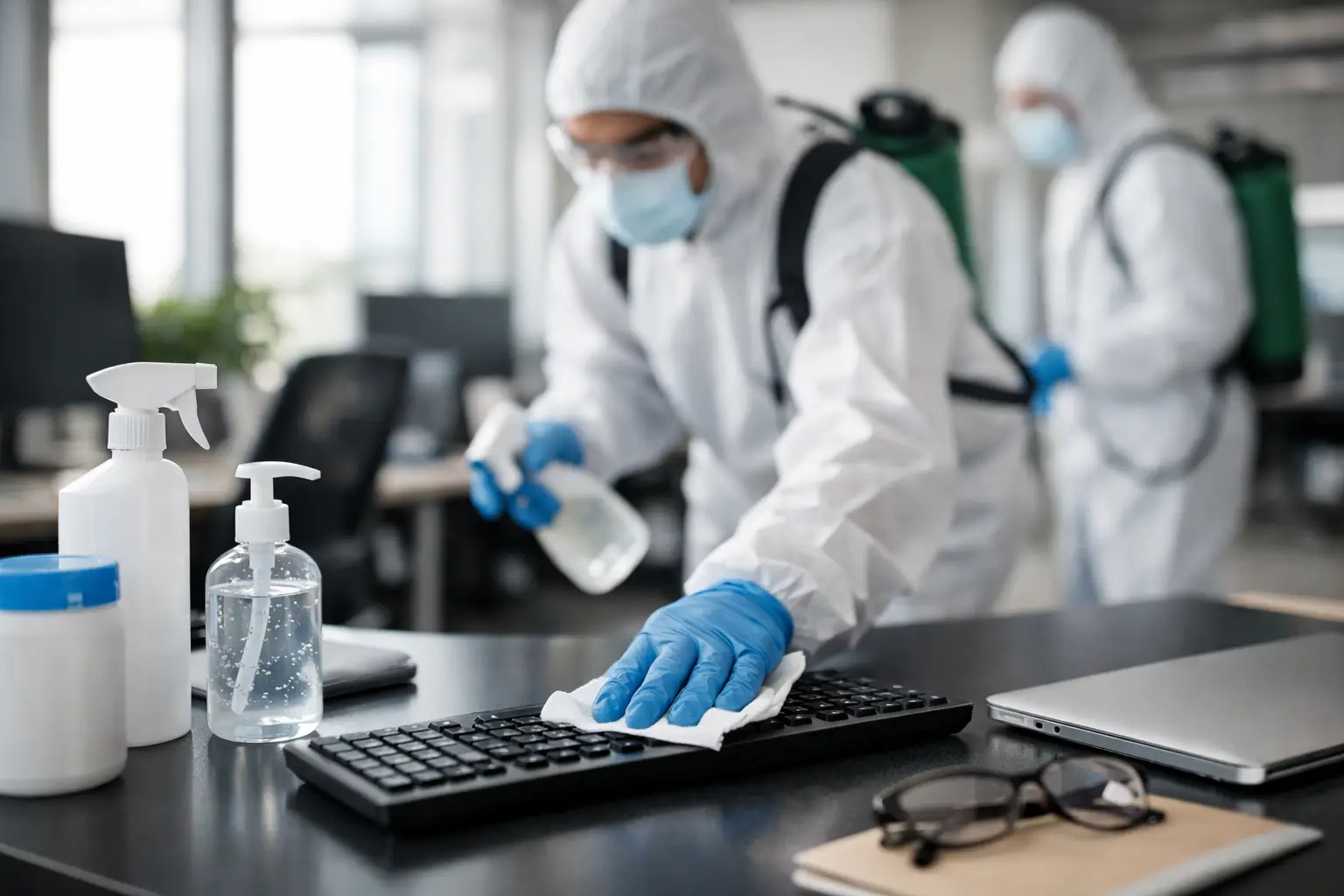
When a stomach virus, flu, COVID-19, or other contagious illness moves through an office, a quick wipe of desks is rarely enough. Effective office disinfection after illness requires a measured response that targets how people actually use the space, protects the cleaning team, and gives employees confidence that it is safe to return.
For office managers and facility teams, the goal is not to make unrealistic promises about eliminating every germ. It is to reduce the risk of surface-based transmission, support healthy workplace practices, and return the facility to normal operations with minimal disruption.
Start With the Right Response, Not a Panic Clean
The scope of cleaning should match the situation. One employee who reports being sick but has not been in the office recently may require no special disinfection beyond the regular cleaning schedule. A confirmed illness in an occupied workspace, a shared meeting room, or a high-traffic reception area calls for a more focused response.
Begin by identifying where the affected individual spent time and what shared spaces they used. Their workstation, nearby restrooms, break rooms, meeting rooms, elevator buttons, door handles, and shared equipment may need attention. Avoid broadly announcing personal health details. Staff need practical guidance about the cleaning response, not private information about a coworker.
Timing also matters. If possible, wait until the affected person has left the workplace before beginning enhanced cleaning. This allows trained cleaners to work thoroughly without people moving through the area and touching surfaces as they are being disinfected.
Clean First, Then Disinfect
Cleaning and disinfecting are related, but they are not the same task. Cleaning removes visible soil, food residue, dust, and oils that can interfere with a disinfectant. Disinfection uses an approved chemical product to reduce germs on a properly cleaned hard surface.
Skipping the cleaning step is a common mistake, especially in break rooms and restrooms. A disinfectant sprayed over spills, grease, or grime may not contact the surface effectively. High-touch surfaces should be cleaned with the appropriate cleaner first, then treated with a disinfectant according to its label directions.
The label is part of the process. Disinfectants need a specified contact time, meaning the surface must stay visibly wet for a set period before it is wiped or allowed to air dry. Wiping a product away immediately can reduce its effectiveness. A professional cleaning team should understand dilution requirements, contact times, compatible surfaces, and safe storage procedures.
Prioritize the Surfaces People Share
After an illness, high-touch points deserve more attention than low-contact areas. A thorough office disinfection plan should focus on the routes people take through the building and the items multiple people handle throughout the day.
These surfaces often require targeted cleaning and disinfection:
- Entry door handles, push plates, reception counters, and security desks
- Light switches, elevator buttons, handrails, and stairwell doors
- Desk phones, keyboards, mice, printers, scanners, and shared tablets
- Conference room tables, chair arms, remote controls, and presentation equipment
- Break room appliance handles, faucets, coffee stations, and dining surfaces
- Restroom fixtures, dispensers, stall latches, and baby-changing stations where applicable
Personal workstations need special care. Electronics can be damaged by excessive moisture or the wrong product, so cleaners should follow manufacturer guidance and use appropriate application methods. Employees may also prefer to secure personal papers, food items, and valuables before cleaning begins.
Soft surfaces should not be ignored, but they require a different approach. Upholstered seating, fabric partitions, and carpets generally cannot be treated like hard counters or door handles. Depending on the material and the illness concern, vacuuming with suitable equipment, spot cleaning, steam cleaning, or professional carpet care may be appropriate. The right method depends on the surface, not on the desire to use one solution everywhere.
Give Restrooms and Break Rooms Extra Attention
Restrooms and kitchen areas are often the highest-priority zones after a contagious illness, particularly when gastrointestinal symptoms are involved. These spaces have frequent hand contact, moisture, food preparation surfaces, and shared fixtures. They should be cleaned methodically from cleaner areas toward more heavily soiled areas to help prevent cross-contamination.
In restrooms, disinfect toilets, flush handles, faucet controls, counters, dispensers, stall hardware, and door handles. Refill soap, hand sanitizer, paper towels, and toilet tissue before reopening the area. A well-stocked restroom supports good hand hygiene long after the cleaning crew has left.
In break rooms, clean and disinfect refrigerator handles, microwave controls, coffee equipment, sink fixtures, cabinet pulls, and tables. Remove expired food, disposable cups, and other clutter if the client’s policy allows it. A crowded counter is difficult to clean properly and can quickly become a hygiene concern again.
Use Products and Procedures That Protect People
A stronger-smelling product is not automatically a better disinfectant. The product must be suitable for the target pathogen, the surface, and the workplace environment. In the United States, businesses should use EPA-registered disinfectants and follow all label instructions for use, ventilation, and personal protective equipment.
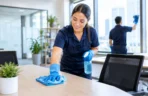
Good disinfection also requires safe work practices. Cleaning staff should use appropriate gloves and other protective equipment based on the task and product directions. Color-coded cloths, clean mop heads, and separate tools for restrooms versus food areas help reduce the chance of transferring contaminants from one area to another.
Ventilation is another practical consideration. Open windows where appropriate and operate the building’s ventilation system according to facility guidelines. Avoid scheduling strong chemical applications in an occupied area without allowing time for ventilation and drying. Fogging or electrostatic spraying may be useful in certain settings, but neither replaces manual cleaning of heavily touched surfaces. These methods should be selected for a clear reason, not as a shortcut.
Plan the Return to Work
Once cleaning is complete, communicate clearly with the team. A short message can confirm that affected areas received enhanced cleaning, remind employees about hand hygiene, and explain any temporary changes to shared-space use. Keep the message factual and respectful.
Consider practical controls for the next several days. You might increase cleaning frequency for restrooms and break rooms, provide disinfecting wipes for shared equipment, ask employees to avoid sharing headsets or desk tools, and encourage staff who feel unwell to stay home. These steps are especially useful during periods of elevated seasonal illness.
Regular office cleaning is the foundation. Enhanced disinfection after an illness is most effective when it builds on a consistent routine for touchpoints, waste removal, restroom sanitation, floors, and common areas. A facility that is maintained daily is easier to restore quickly when an unexpected health concern arises.
When to Call a Professional Cleaning Team
Internal teams can often manage a small, isolated response when they have the right supplies, training, and time. However, professional support is often the better choice when illness affects multiple employees, occurs in a large or multi-tenant office, involves bodily fluid cleanup, or requires after-hours work to prevent operational downtime.
A qualified commercial cleaning provider can create a site-specific scope, deploy trained staff, use approved products correctly, and document the work completed. For Toronto and GTA businesses, HSI Cleaning Services can tailor enhanced office cleaning and disinfection support around building access, occupancy schedules, and the areas that matter most to your team.
The most reassuring response after an illness is visible care backed by sound procedures. Keep supplies stocked, maintain a dependable cleaning schedule, and have a clear escalation plan before the next workplace health concern arrives.

About Author

Recent Posts
Property Turnover Cleaning That Protects Move-In Dates
8 Insured Commercial Cleaning Benefits for Businesses