Janitorial Services That Keep Workplaces Healthy

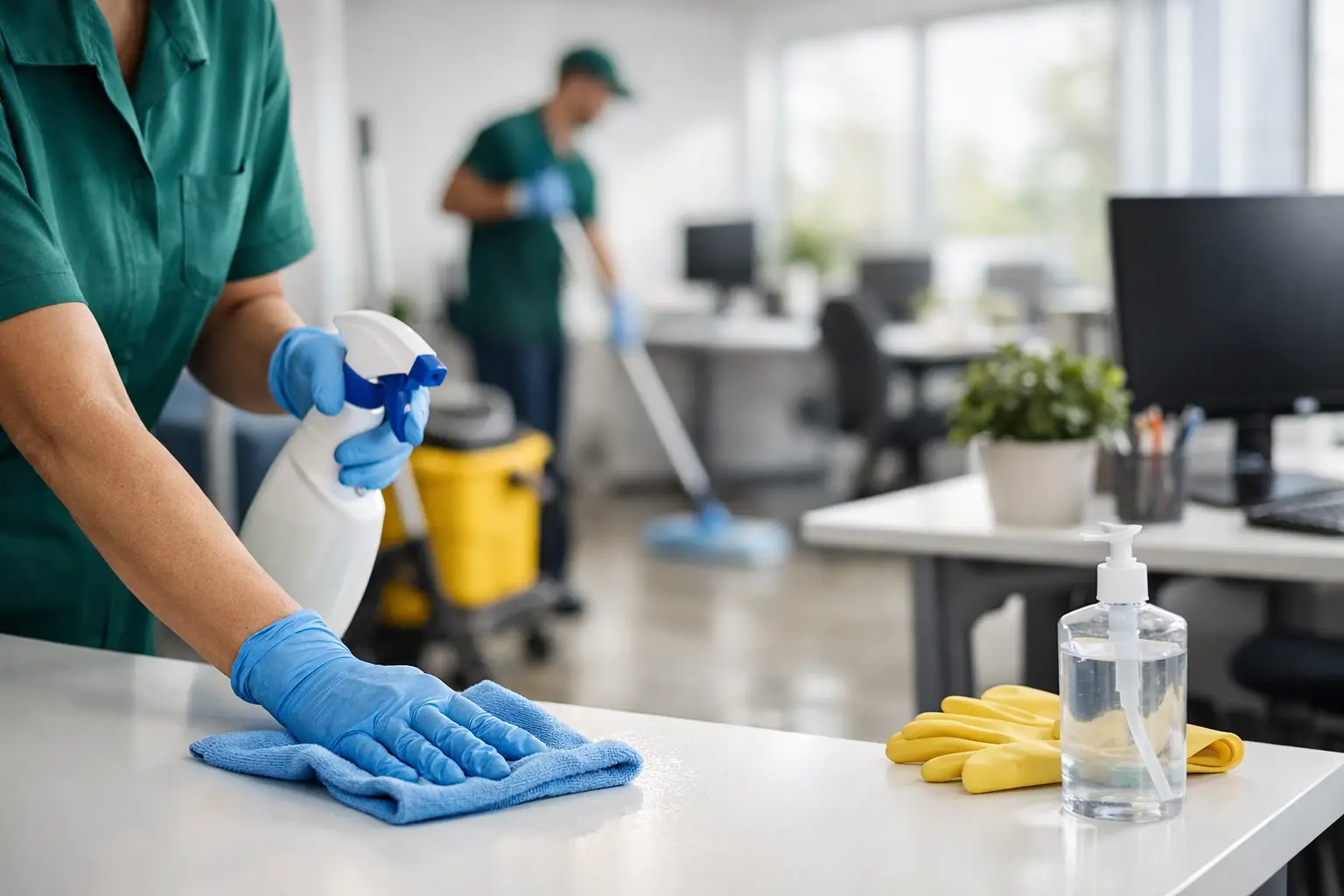
A workplace can look presentable at 9 a.m. and still fall short where it matters most. Restrooms may be understocked, high-touch surfaces may be missed, floors may carry in dirt from the previous day, and waste can build up long before closing. Professional janitorial services address the daily details that affect employee health, customer confidence, safety, and the way a business operates.
For office managers, property managers, restaurant owners, and facility teams, cleaning is not simply a cosmetic task. It is part of maintaining a space people can use with confidence. The right cleaning partner creates a dependable routine, adapts to the facility’s needs, and provides visible proof that standards are being maintained.
What Janitorial Services Should Cover
Janitorial services are recurring cleaning services designed to keep a workplace clean, sanitary, and operational day after day. Unlike a one-time deep clean or post-construction project, janitorial work follows a consistent schedule that may be daily, several times a week, or tailored around business hours and traffic levels.
The scope depends on the property, but it often includes restroom cleaning and restocking, trash and recycling removal, vacuuming, mopping, dusting, kitchen or breakroom cleaning, and disinfecting frequently touched surfaces. Entryways, elevators, glass doors, reception areas, and shared workstations also deserve attention because they shape the first impression of a building.
A strong plan does more than repeat the same checklist in every room. A medical-adjacent office, a busy restaurant, a dealership showroom, and a warehouse each have different traffic patterns, surface types, and hygiene concerns. The cleaning schedule, products, tools, and staffing level should reflect those differences.
Daily cleaning versus periodic deep cleaning
Daily service handles the conditions that change quickly: restroom upkeep, spills, food debris, floor care, trash, and touchpoint disinfection. Periodic deep cleaning addresses buildup that routine work may not fully remove, such as detailed baseboards, upholstery, carpets, interior glass, high dusting, grout, and hard-to-reach areas.
Neither replaces the other. A restaurant might need daily kitchen-adjacent cleaning and frequent floor attention, while a professional office may benefit from evening janitorial service with quarterly carpet extraction. The right frequency depends on occupancy, business hours, customer traffic, and the expectations attached to the space.
Why Consistent Cleaning Supports Business Operations
Clean facilities help people focus. When employees arrive to clean restrooms, orderly common areas, and maintained workspaces, they spend less time managing avoidable distractions. For customer-facing businesses, the effect is even more immediate. Streaked glass, overflowing bins, or dirty floors can influence a visitor’s perception before a conversation begins.
Health is another practical concern. Shared surfaces, breakrooms, restrooms, and reception areas can become points of exposure when they are not cleaned and disinfected consistently. A professional team should use appropriate products and methods for the surface and setting, rather than applying one chemical or process everywhere.
Safety also belongs in the conversation. Wet floors, cluttered walkways, neglected spills, and poorly maintained entrances can create preventable risks. Janitorial teams help reduce those risks by responding to routine needs before they become larger operational issues. This is especially valuable in retail settings, dealerships, restaurants, and multi-tenant properties where public access is continuous.
There is a financial side as well. Regular floor care can extend the useful life of hard surfaces and carpeting. Prompt attention to spills can reduce staining and odor problems. Maintaining a property consistently is often more manageable than paying for corrective cleaning after standards have slipped.
How to Choose Janitorial Services for Your Facility
Price matters, but the lowest quote rarely tells the whole story. A useful proposal explains what is included, how often each task is completed, what supplies are provided, and how the provider manages quality. If the scope is vague, it becomes difficult to know whether expectations are being met.
Start with a walkthrough of the facility. A qualified provider should ask about square footage, headcount, public traffic, restrooms, flooring, kitchen areas, security requirements, peak hours, and problem areas. This conversation helps determine whether the facility needs daily service, several visits per week, daytime porter support, or a combination of routine and specialty work.
Ask how the team is staffed and supervised. Reliable janitorial service depends on trained cleaners, clear site instructions, background-appropriate hiring practices, and active supervision. Bonded and insured service provides additional assurance, particularly for facilities with sensitive areas, valuable inventory, or after-hours access.
Communication should be equally clear. When a spill occurs, an event changes the traffic pattern, or an inspection is scheduled, the provider should have a practical process for handling requests. Businesses benefit from a dedicated contact, documented service expectations, and regular quality checks rather than waiting until a complaint arises.
Questions worth asking before you sign
A cleaning company should be able to answer direct questions about its operating standards. Ask whether cleaners are trained for your facility type, how quality is inspected, what happens if a scheduled cleaner is unavailable, and how urgent requests are handled. Confirm which cleaning and disinfecting products will be used, especially if your staff or customers have sensitivities or if the facility has industry-specific requirements.
It is also wise to clarify supply responsibilities. Some businesses prefer the provider to manage restroom paper products, soap, liners, and other consumables. Others purchase supplies directly. Either option can work, but responsibilities should be written clearly so a shortage does not become an avoidable service issue.
Cleaning Plans Should Match the Industry
An office needs quiet, reliable service that preserves a professional setting and supports employee well-being. Restrooms, kitchens, conference rooms, reception areas, and high-touch points generally require the most consistent attention. If the office hosts clients, clean glass, polished entryways, and organized common spaces carry extra weight.
Retail environments have a different rhythm. Floors and fitting areas can need repeated attention throughout the day, particularly during bad weather or high-traffic periods. Entryways, checkout counters, mirrors, and restrooms should remain customer-ready, not simply cleaned once after closing.
Restaurants require focused cleaning routines that support a sanitary dining experience. Front-of-house presentation, restrooms, floors, grease-prone areas, and high-touch surfaces all require careful scheduling. Cleaning teams must work around service hours without disrupting guests or staff.
Industrial and warehouse facilities present another set of considerations. Dust, debris, equipment zones, loading areas, and safety pathways may call for specialized equipment and procedures. A provider should understand where routine cleaning ends and where specialized industrial cleaning, floor care, or post-project cleanup begins.
Measuring Quality After Service Begins
A contract is only the start. The real test is whether the facility stays consistently clean over time. Track concerns such as missed trash removal, restroom supply shortages, floor appearance, lingering odors, or inconsistent detail work. These details provide a clearer picture than a single good visit.
The best providers welcome feedback because it helps refine the cleaning plan. A site may need more attention near entrances in winter, extra service after events, or adjustments as staffing and occupancy change. Cleaning plans should be flexible enough to respond without losing consistency.
HSI Cleaning Services approaches this work as an operational partnership, with customized plans, supervised teams, and cleaning support designed around how each facility is used. That approach matters because dependable service is built through clear expectations and follow-through, not a generic checklist.
A clean workplace should never depend on luck or last-minute effort. Start with an honest assessment of where your facility sees the most traffic, the most risk, and the highest visibility. From there, a well-defined janitorial plan can keep the space ready for the people who rely on it every day.

About Author

Recent Posts

Property Turnover Cleaning That Protects Move-In Dates

8 Insured Commercial Cleaning Benefits for Businesses