Warehouse Cleaning Best Practices That Work

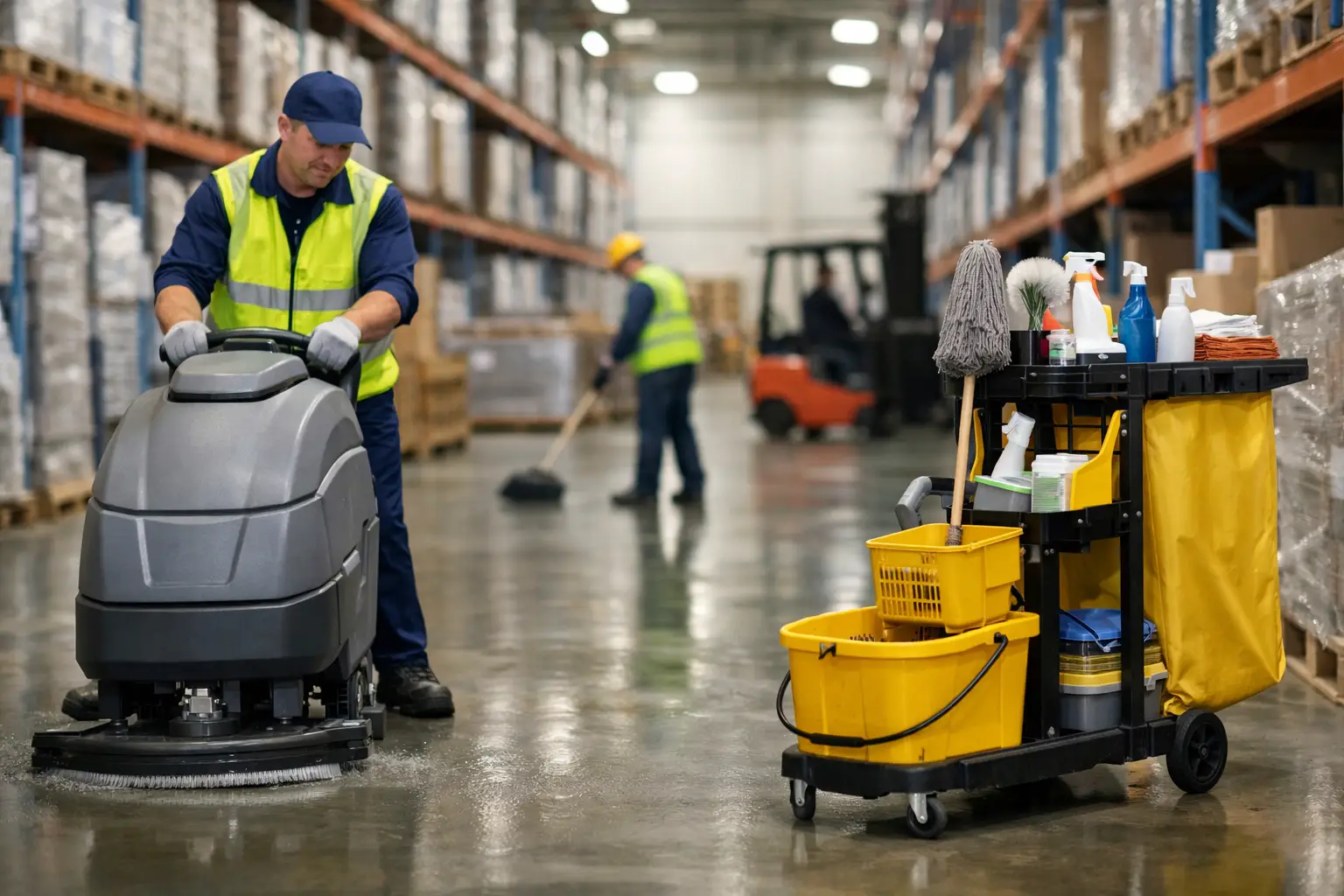
A warehouse can look busy and productive while quietly developing cleaning risks that affect safety, inventory, and performance. Dust on high racks, shrink wrap near aisles, spills at loading docks, and debris around equipment all create avoidable problems. The most effective warehouse cleaning best practices treat cleaning as part of daily operations, not a task reserved for slow periods or inspections.
A clean facility supports safer forklift traffic, clearer walkways, better air quality, and a more professional environment for employees, drivers, vendors, and visitors. It can also help protect stored products from dust, moisture, pests, and cross-contamination. The right plan depends on the building, inventory, equipment, and shift schedule, but every warehouse needs clear ownership, reliable routines, and trained cleaning support.
Start With a Warehouse Cleaning Risk Assessment
Before setting a schedule, walk the warehouse with operations, safety, and maintenance staff. Look beyond what is visible from the main aisle. Check racking uprights, dock doors, battery charging areas, floor drains, break rooms, restrooms, offices, and the spaces behind machinery. These areas often collect dust, grease, cardboard, and debris long before they become obvious.
Prioritize areas according to risk rather than appearance alone. A customer-facing lobby may need frequent attention for presentation, but a loading dock with wet floors and vehicle traffic may need more urgent cleaning for safety. Similarly, a food, pharmaceutical, or health-related warehouse will require stricter sanitation procedures than a facility storing sealed industrial parts.
Document the findings and turn them into a practical scope of work. Define which areas need daily service, which require weekly attention, and which require scheduled deep cleaning. This prevents the common problem of cleaning teams focusing on visible areas while high-risk zones are missed.
Build Cleaning Into Each Shift
Warehouse cleaning works best when it follows the rhythm of the operation. Waiting until the end of the week to address spills, loose packaging, or dust buildup creates more work and more risk. Short, consistent cleaning tasks during every shift keep conditions under control.
At minimum, employees should know how to report spills, isolate hazards, dispose of damaged packaging, and keep exits, fire equipment, electrical panels, and pedestrian lanes clear. Supervisors should confirm that these standards are being followed instead of assuming cleaning will happen later.
A shift-based plan can include quick floor inspections, removal of loose debris, emptying waste and recycling containers, cleaning common touchpoints, and restocking restroom supplies. The exact checklist should match the site. A high-volume distribution center may need dock and aisle checks several times per day, while a lower-traffic storage facility may need a different cadence.
Keep Floors Safe Without Disrupting Operations
Floors are one of the most important parts of any warehouse cleaning program. They handle heavy equipment, foot traffic, pallets, leaks, tracked-in moisture, and constant dust. A neglected floor does not only look poor. It can contribute to slips, trips, falls, equipment damage, and premature wear.
Dry debris should be removed before it is pushed into corners, drains, or expansion joints. For large open areas, commercial sweepers and scrubbers can improve results and reduce labor time. Yet machine cleaning is not a complete solution. Edges, under racking, staging areas, and tight zones around conveyors often need detailed manual attention.
Use cleaning methods that suit the floor surface and warehouse activity. Too much water can create a slip hazard or interfere with operations, especially near loading areas and electrical equipment. Cleaning products should be appropriate for the surface, used according to label directions, and stored safely. Schedule deeper scrubbing during lower-traffic periods whenever possible, then use signs and barriers until the area is dry.
Control Dust From Floor Level to High Racking
Dust is more than a cosmetic concern. It can affect indoor air quality, settle on inventory, obscure labels, create maintenance issues, and become a fire concern in certain environments. Warehouses with high ceilings, open dock doors, frequent pallet movement, or cardboard handling are particularly prone to buildup.
Regular floor care helps reduce airborne dust, but it does not address overhead accumulation. High-level cleaning should include racking beams, ledges, ductwork, light fixtures, sprinkler piping, and other elevated surfaces where dust can collect. This work requires trained personnel, proper access equipment, fall protection procedures where applicable, and coordination with warehouse operations.
Do not schedule overhead cleaning without protecting inventory and equipment below. Depending on the facility, that may mean moving stock, covering materials, restricting access, or cleaning in sections after hours. The safest approach is often phased work that limits disruption while giving each area the attention it needs.
Maintain Docks, Waste Areas, and Equipment Zones
Loading docks are among the hardest-working and highest-risk areas in a warehouse. They are exposed to outdoor dirt, moisture, exhaust residue, packaging waste, and fast-moving traffic. Dock plates, door tracks, dock levelers, and staging areas should be inspected routinely for debris that could affect safety or operation.
Waste and recycling areas need the same discipline. Overflowing bins, loose cardboard, and uncontained waste can attract pests and create fire hazards. Set clear disposal procedures for stretch wrap, pallets, damaged goods, and hazardous materials. General cleaning staff should not handle chemicals, batteries, or other regulated waste unless the proper training and procedures are in place.
Battery charging and maintenance areas deserve special attention because they may involve acid residue, chemical exposure, or ventilation concerns. Follow the equipment manufacturer’s guidance and site safety requirements. These are areas where a standard mop-and-bucket approach may be inappropriate.
Protect Restrooms, Break Rooms, and High-Touch Areas
Employee spaces influence health, morale, and confidence in the workplace. Restrooms and break rooms should receive frequent cleaning and disinfection, especially when multiple shifts use the same facilities. Focus on sinks, toilets, faucet handles, tables, refrigerators, microwaves, door handles, and dispensers.
High-touch points across the warehouse also need regular attention. Time clocks, scanner devices, shared keyboards, forklift controls, handrails, and door push plates can be cleaned as part of a defined routine. The right frequency depends on use, but consistency matters more than occasional intensive cleaning.
Use products suited to the surface and follow required contact times for disinfectants. Cleaning and disinfecting are not the same process. Soil and residue may need to be removed first so the disinfectant can perform as intended. This detail is especially relevant in shared employee areas and facilities with elevated hygiene requirements.
Assign Clear Accountability and Verify Results
A cleaning plan only works if people know who is responsible. Some tasks belong to warehouse teams during normal operations, such as keeping aisles clear and reporting hazards. Other tasks require a trained commercial or industrial cleaning provider with the equipment, staffing, and supervision to handle larger floor areas, restrooms, high dusting, and scheduled deep cleaning.
Create checklists that are useful, not performative. Each task should identify the area, frequency, responsible party, and standard for completion. Managers should conduct regular walk-throughs and address recurring issues, such as chronic dock debris or missed restroom supplies, before they become normal.
Quality checks should include more than a visual scan. Look for slippery residue, blocked exits, dust on inventory, full bins, odors, pest activity, and worn floor markings. Ask employees where cleaning problems occur during their shifts. They often see risks that are missed during a quick inspection.
Plan for Seasonal and Project Cleaning
Warehouse conditions change throughout the year. Wet weather can increase tracked-in water and salt residue near entrances and docks. Peak shipping periods create more cardboard, stretch wrap, and traffic. Construction, racking changes, or equipment installation can leave fine dust across the facility.
Plan ahead for these events instead of relying only on the regular schedule. A post-project deep clean, seasonal floor service, or extra dock support may be needed to restore safe conditions quickly. Flexibility is valuable, but it should be planned and documented so cleaning standards do not drop when operations get busy.
A warehouse does not need to be spotless in a showroom sense to be professionally maintained. It does need to be safe, organized, sanitary where required, and consistently cared for. When cleaning is built into daily operations and backed by trained oversight, it protects the people and products that keep the facility moving.

About Author

Recent Posts

Property Turnover Cleaning That Protects Move-In Dates

8 Insured Commercial Cleaning Benefits for Businesses