When Do Businesses Need Deep Cleaning Most?

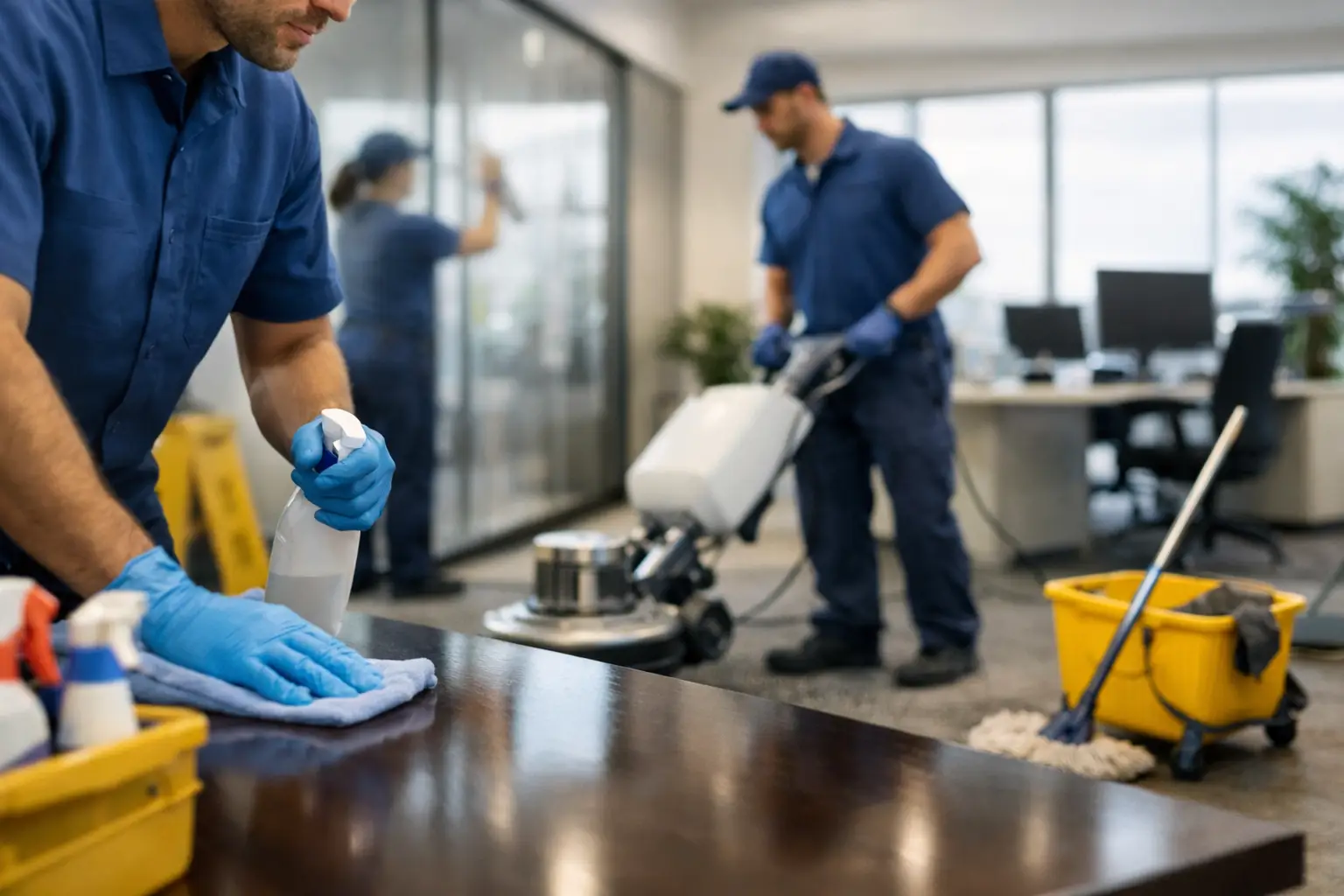
A reception desk can look polished while the baseboards, vents, upholstery, and high-touch surfaces tell a different story. Routine janitorial service handles the daily essentials, but when do businesses need deep cleaning? Usually, the answer appears before a customer complains or an employee calls in sick: lingering odors, visible buildup, heavy traffic, a recent project, or a change in how the space is used.
Deep cleaning is not simply “more cleaning.” It is a focused service that reaches the areas daily maintenance cannot reasonably cover within a regular shift. For offices, retail stores, restaurants, dealerships, industrial sites, and managed properties, it protects the appearance, hygiene, and working condition of the facility.
When Do Businesses Need Deep Cleaning?
Most businesses benefit from deep cleaning on a planned schedule, with additional service after specific events. The right timing depends on the type of facility, the number of people using it, the level of public traffic, and the work performed inside.
A quiet professional office may need a full deep clean twice a year, supported by consistent routine cleaning. A busy restaurant, medical-adjacent workspace, retail location, or dealership showroom may require targeted deep cleaning every month or quarter. Industrial facilities often need a customized schedule based on dust, grease, debris, production activity, and safety requirements.
Waiting until a space looks visibly dirty is rarely the best approach. By that point, soil may already be embedded in carpet fibers, hard-floor finishes, grout lines, ventilation areas, and upholstery. Scheduled deep cleaning helps businesses maintain standards rather than recover from a preventable issue.
After Renovation, Repairs, or Construction Work
Renovation dust travels farther than most property teams expect. It settles on shelving, window ledges, vents, equipment, walls, floors, and workstations, including areas that may not look affected at first glance. Even a small repair project can leave fine particles that reduce indoor air quality and make a newly improved space feel unfinished.
A post-renovation deep clean should address dust removal, detailed vacuuming, floor care, glass cleaning, fixture cleaning, and wipe-down of horizontal and high-contact surfaces. It is especially valuable before employees return, inventory is moved in, or customers are invited back.
Before Reopening or Moving Into a Space
A new lease, office move, seasonal reopening, or retail handover is a clear reason to arrange deep cleaning. Previous occupants may have left behind odors, stains, residue, or grime in overlooked areas. Cleaning before move-in gives your team a healthier starting point and helps facility managers identify maintenance concerns before furniture and equipment block access.
For customer-facing businesses, the opening days matter. Clean glass, fresh flooring, sanitary restrooms, and dust-free details communicate care before a staff member says a word.
When High-Touch Areas Are Showing Heavy Use
Door handles, elevator buttons, shared desks, breakroom counters, washroom fixtures, payment terminals, and handrails receive constant use. Routine disinfection is necessary, but deep cleaning adds detail work around the edges, seams, undersides, and surrounding surfaces where buildup develops.
This matters during cold and flu season, after a rise in employee absences, or whenever a business wants to reinforce its workplace hygiene program. Health-focused cleaning is not a substitute for employee sick policies or hand hygiene, but it is an essential part of maintaining a cleaner shared environment.
When Odors, Stains, or Buildup Persist
Persistent odors are a warning sign, not just an inconvenience. They may come from food residue, damp carpet, washroom buildup, garbage areas, upholstery, drains, or poor cleaning access behind equipment. Covering the smell with fragrance does not solve the source.
The same applies to stained carpet, sticky floors, cloudy glass, greasy kitchen surfaces, and dull tile. A deep cleaning service uses the appropriate methods and products to remove accumulated soil without damaging the material. The trade-off is that some work, such as carpet extraction or floor refinishing, may require drying time or service after business hours. A professional plan should account for your operations rather than disrupt them.
Areas Routine Cleaning Often Misses
Daily cleaning crews focus on tasks that keep a building functional from one day to the next: emptying trash, cleaning restrooms, vacuuming, mopping, and disinfecting key touchpoints. Deep cleaning is where detail and restoration become the priority.
Common areas that need periodic attention include:
- Carpet edges, upholstery, entrance mats, and fabric partitions
- Baseboards, wall marks, window ledges, blinds, vents, and ceiling-adjacent surfaces
- Restroom grout, partitions, fixtures, dispensers, and floor edges
- Breakroom appliances, cabinet fronts, backsplashes, and areas behind equipment
- High shelves, storage rooms, loading areas, and hard-to-reach corners
Not every facility needs every task at the same frequency. A restaurant’s kitchen-adjacent areas need more intensive grease control than a corporate office, while an industrial site may require specialized treatment for dust or production residue. The best plan starts with a walk-through, not a generic checklist.
How Often Should a Business Schedule Deep Cleaning?
There is no single frequency that fits every workplace, but a practical schedule can be built around traffic, risk, and presentation standards. Businesses with low public traffic may schedule comprehensive deep cleaning every six to twelve months. Moderate-traffic offices, professional buildings, and managed common areas often benefit from quarterly or semiannual service.
High-traffic retail stores, restaurants, dealerships, gyms, childcare-adjacent spaces, and public-facing service centers may need monthly or quarterly targeted deep cleaning. For example, a retail operator might schedule monthly floor and fitting-room detail work, then arrange carpet extraction and full fixture cleaning seasonally.
Facility managers should also consider seasonal timing. Winter in Southern Ontario brings salt, slush, moisture, and abrasive grit into entrances and hallways. Spring is often the right time for carpet care, floor restoration, and detailed cleaning after months of tracked-in debris. Before the holiday rush or a major client event, a targeted deep clean can protect the customer experience when it matters most.
The Business Case Goes Beyond Appearance
A cleaner workplace supports more than visual standards. It can help preserve flooring, furniture, and fixtures by removing soil that causes wear over time. It also gives staff a more comfortable environment and helps property managers maintain a space that tenants, customers, and visitors can trust.
For businesses that operate under brand standards or health-related expectations, cleaning consistency also reduces risk. A neglected washroom, stained carpet, or dusty showroom can affect customer confidence quickly. In a competitive market, people often use visible details to judge the quality of the service or products they are about to buy.
Deep cleaning also works best when it complements, rather than replaces, routine service. Daily cleaning controls immediate messes and hygiene needs. Periodic deep cleaning addresses buildup, restoration, and areas outside the normal scope. Together, they create a more dependable maintenance program and make unexpected cleaning emergencies less likely.
What to Expect From a Professional Deep Clean
Before service begins, a qualified cleaning provider should clarify the scope, timing, access requirements, sensitive surfaces, and areas of greatest concern. This is particularly important in facilities with confidential materials, customer traffic, food preparation areas, machinery, or strict building access procedures.
The cleaning team should use trained staff, suitable equipment, and approved products appropriate to the facility. A reliable provider can schedule service during evenings, overnight, or lower-traffic hours when needed. For recurring clients, the findings from a deep clean can also improve the regular cleaning plan by identifying spaces that need more frequent attention.
HSI Cleaning Services helps Toronto and GTA businesses build customized cleaning plans that combine routine care with detailed deep cleaning when conditions call for it. The goal is practical: a clean space that supports healthy work, dependable operations, and a professional first impression.
If your team has started working around stains, odors, dust, or worn-looking surfaces, do not wait for the problem to become part of the workplace. A site assessment and a well-timed deep clean can restore the standard your employees and customers should experience every day.

About Author

Recent Posts

Property Turnover Cleaning That Protects Move-In Dates

8 Insured Commercial Cleaning Benefits for Businesses