Restaurant Sanitation Guide for Daily Compliance

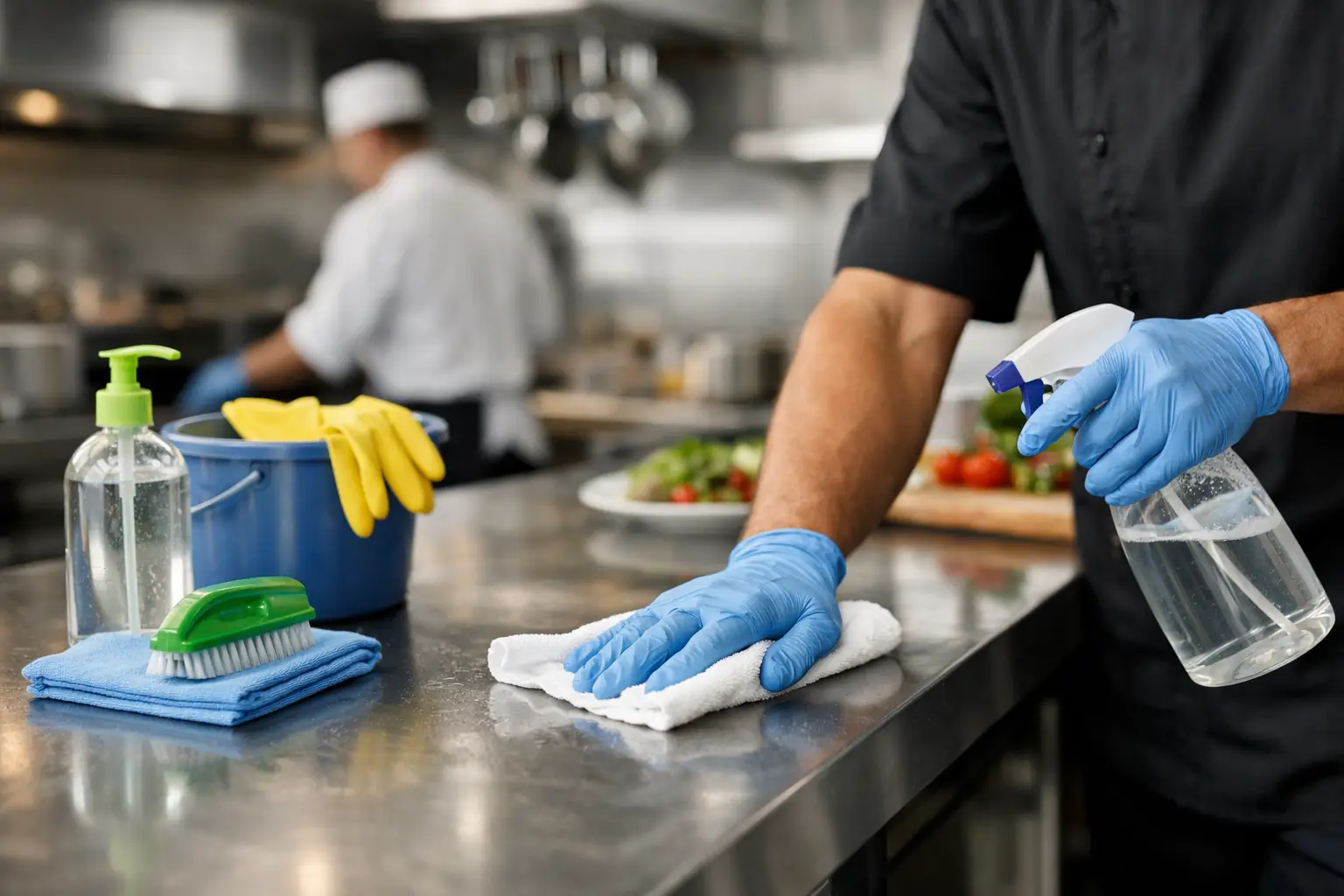
A restaurant can look polished from the dining room and still have sanitation gaps behind the scenes. This restaurant sanitation guide helps operators turn cleaning from a last-minute task into a dependable daily system that protects guests, supports staff, and keeps the operation ready for inspection.
Sanitation is not limited to wiping tables after service. It includes controlling food-contact hazards, maintaining washrooms, managing waste, preventing pest activity, cleaning high-touch surfaces, and documenting the work. The goal is simple: every shift should leave the restaurant safe and ready for the next one.
Start With Clear Sanitation Responsibilities
Cleaning fails when it is treated as everyone’s job but no one’s responsibility. Assign duties by station, shift, and frequency. A prep cook may be responsible for sanitizing cutting boards and prep counters between tasks, while a closing team handles floors, equipment exteriors, and waste areas. Managers should verify completion rather than assume it happened.
A practical schedule separates work into opening, during-service, closing, weekly, and periodic tasks. Daily checklists are useful because they create consistency during busy periods and make training easier for new employees. They should be short enough to use, specific enough to inspect, and kept where the work happens.
For example, “clean kitchen” is too vague. “Wash, rinse, and sanitize prep tables before opening and after raw-protein preparation” tells staff exactly what good work looks like. Include initials and a manager review line so the checklist becomes an accountability tool, not paperwork for its own sake.
Clean First, Then Sanitize
Cleaning and sanitizing are related, but they are not the same task. Cleaning removes visible soil, grease, food residue, and many germs from a surface. Sanitizing reduces microorganisms on properly cleaned food-contact surfaces to a safer level. Applying sanitizer over grease or food debris is not an effective substitute for cleaning.
Use the correct sequence: remove debris, wash with detergent, rinse when required, apply sanitizer at the labeled concentration, allow the required contact time, and let the surface air-dry unless the product instructions say otherwise. Towels used on food-contact surfaces should be clean and stored correctly between uses.
Your sanitizer must match the task and be mixed accurately. Too weak may not sanitize effectively. Too strong can leave unsafe residue, damage surfaces, or create an unpleasant odor. Train employees to use test strips and record results at the required intervals. Follow the product label and local health department requirements, since approved concentrations and procedures can vary by product and jurisdiction.
Prioritize Food-Contact Surfaces
Food-contact surfaces deserve the most disciplined routine. These include prep tables, cutting boards, knives, tongs, mixers, slicers, deli counters, ice scoops, beverage nozzles, and the interiors of food containers. Clean and sanitize them between raw and ready-to-eat food tasks, after contamination, and at the frequency required for items in continuous use.
Color-coded cutting boards, designated utensils, and clearly labeled sanitizer buckets can reduce mistakes, but only when staff follow the system every time. Do not rely on color coding alone. Good storage, handwashing, and active supervision are still necessary to prevent cross-contamination.
Build Hand Hygiene Into the Workflow
Handwashing is one of the strongest controls in food service, yet it is often compromised when sinks are blocked, poorly stocked, or inconveniently located. Hand sinks should remain accessible and supplied with warm running water, soap, disposable towels, and a waste receptacle. They are for handwashing only, never for rinsing utensils or storing items.
Employees need clear reminders of when washing is required: before starting work, before handling ready-to-eat food, after touching raw food, after using the restroom, after handling trash, after cleaning, after touching their face or phone, and after any task that may contaminate hands. Gloves can help with certain tasks, but they do not replace handwashing. Gloves must be changed between tasks and whenever they become contaminated.
Managers set the standard here. If staff see supervisors skip handwashing or use prep sinks incorrectly, written policies will not carry much weight.
Keep Dishwashing and Equipment Cleaning Under Control
Warewashing is a sanitation system, not simply a sink full of dishes. Whether you use a three-compartment sink or a commercial dishwasher, staff need to understand loading, wash temperatures, rinse procedures, sanitizer requirements, drying, and storage. Air-drying is generally safer than towel-drying because towels can reintroduce contamination.
Inspect equipment that can quietly collect residue: gaskets, handles, blender bases, slicer guards, can openers, refrigerator shelving, microwave interiors, ice machines, and the undersides of counters. These areas are easy to miss during a rushed close, but residue builds quickly and can affect food safety, odors, and equipment performance.
Some equipment requires disassembly for proper cleaning. Follow manufacturer instructions and make sure only trained employees handle blades, slicers, fryers, or machinery with electrical components. Speed matters during service, but rushing these tasks can lead to injury or incomplete sanitation.
Make Floors, Washrooms, and Waste Part of the Plan
A sanitary kitchen extends beyond the prep line. Floors should be swept and mopped with the right tools and chemicals, with special attention to grease-prone areas near cooking equipment. Clean spills immediately, use wet-floor signage, and keep floor drains free of food debris. Persistent drain odors or slow drainage need prompt attention because they can contribute to pest and sanitation issues.
Guest and employee washrooms shape the public’s perception of the restaurant and can carry high touchpoint risk. Clean and disinfect fixtures, door handles, faucets, dispensers, counters, and floors on a documented schedule. Refill soap, paper products, and hand sanitizer before they run out, not after a complaint.
Waste must be removed frequently, especially during warm weather or high-volume service. Keep interior bins lined, covered where appropriate, and cleaned when spills occur. Exterior dumpster areas need scheduled attention as well. Overflowing bags, grease buildup, and unsecured lids attract pests and undermine an otherwise clean operation.
Control High-Touch Areas During Service
The busiest hours are when sanitation routines are most likely to slip. Build quick, repeatable checks into service rather than waiting until close. Host stands, menus, payment terminals, door handles, condiment containers, chair backs, refrigerator handles, and restroom touchpoints all need regular attention.
The correct product depends on the surface and the purpose. Food-contact surfaces require food-safe sanitizing procedures. High-touch, non-food-contact surfaces may require disinfection when illness risk or local guidance calls for it. Never use a disinfectant on a food-contact surface unless its label permits that use and the required rinse procedure is followed.
A short manager walk-through every few hours can catch issues before they become complaints or inspection findings. Look for full trash cans, empty soap dispensers, sticky handles, dirty glass, unsafe floors, and sanitizer buckets that need to be refreshed.
Use a Restaurant Sanitation Guide for Deep Cleaning
Daily cleaning is essential, but it cannot replace deep cleaning. Grease, dust, mineral deposits, and food residue accumulate in areas that are difficult to reach during a normal shift. Cooking equipment exteriors and surrounding walls, vents, baseboards, storage racks, refrigeration coils, grout, ceiling areas, and upholstery may all require periodic specialized service.
The right interval depends on the restaurant’s menu, hours, volume, ventilation, equipment, and layout. A high-volume grill restaurant may need more frequent degreasing than a small café, while a dining room with carpet or upholstered seating may need scheduled extraction cleaning. Review your needs regularly instead of relying on a fixed plan that no longer matches the operation.
Professional restaurant cleaning support can help cover detailed work without pulling kitchen staff away from service and food preparation. HSI Cleaning Services works with restaurants that need customized daily cleaning and specialized deep-cleaning support designed around operating hours and site requirements.
Respond Quickly When Something Goes Wrong
A sanitation program should include a response plan for spills, sewage backups, vomiting or diarrheal incidents, broken glass, pest sightings, and suspected food contamination. Staff should know who to notify, which area to isolate, what personal protective equipment to use, and when food or equipment must be discarded or taken out of service.
Do not improvise chemical use during an incident. Mixing products can create dangerous fumes, and using the wrong cleaner can spread contamination rather than control it. Keep safety data information available, store chemicals away from food and single-use items, and ensure every spray bottle is labeled.
The most dependable restaurants treat sanitation as part of service, not something that begins after the last guest leaves. Give your team clear standards, the right supplies, enough time to do the work, and consistent oversight. That daily discipline is what helps a restaurant feel clean, operate safely, and earn guest confidence shift after shift.

About Author

Recent Posts
Property Turnover Cleaning That Protects Move-In Dates
8 Insured Commercial Cleaning Benefits for Businesses