Best Office Sanitation Practices That Work

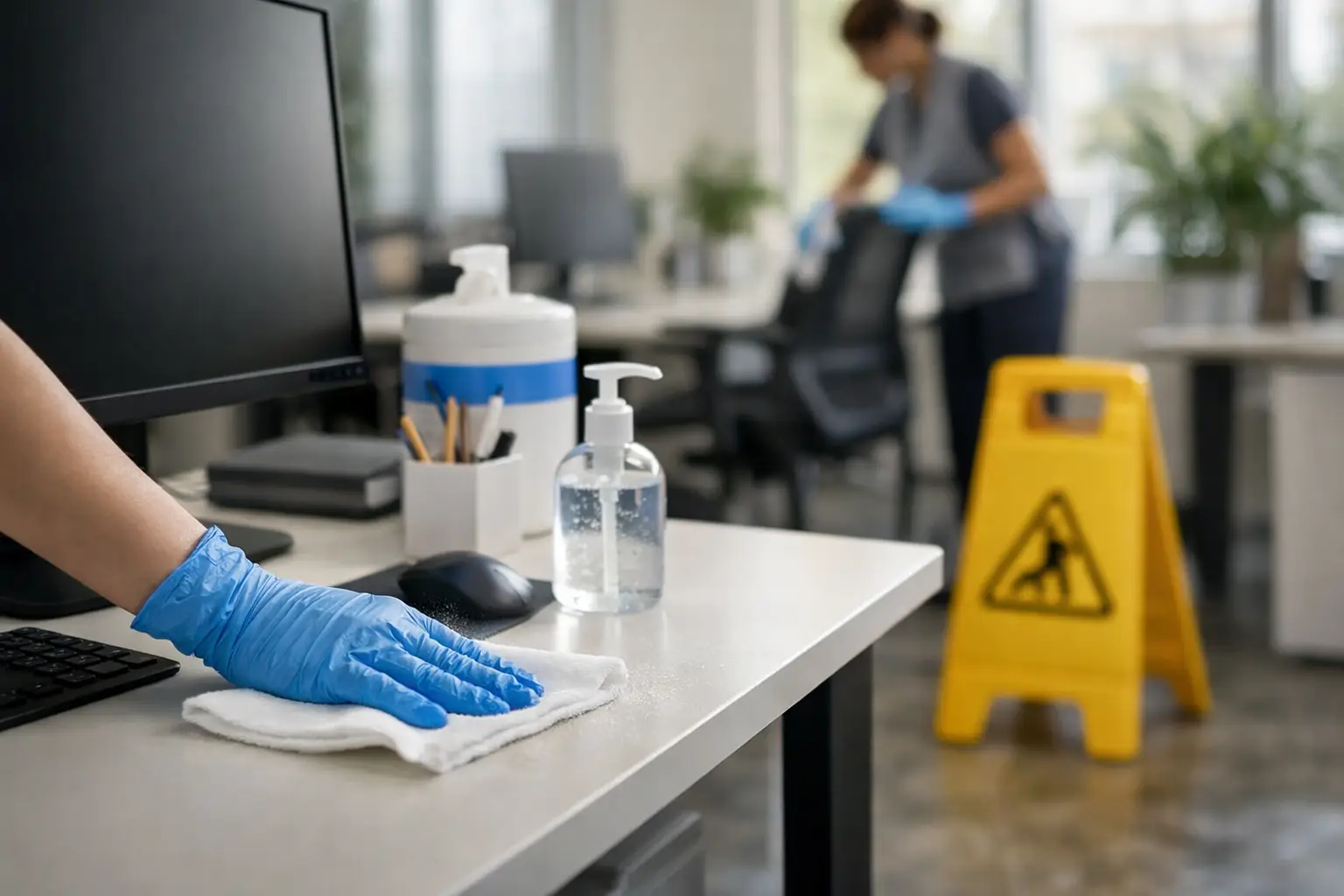
A desk can look tidy while still carrying the residue of a full workday: fingerprints on the monitor, spilled coffee around the keyboard, and germs passed from door handles to meeting rooms. The best office sanitation practices address what employees and visitors actually touch, not only what they can see. A consistent plan protects workplace health, supports attendance, and helps your office make the right impression every day.
Best Office Sanitation Practices Start With a Clear Routine
Sanitation is not the same as general tidying. Emptying trash, vacuuming floors, and straightening common areas matter, but sanitation requires targeted cleaning and disinfecting of surfaces that can spread germs. The most effective office programs combine daily service, scheduled deep cleaning, and clear employee habits.
Start by mapping your office into zones. Reception areas, restrooms, break rooms, conference rooms, open workstations, and private offices all have different traffic levels and sanitation needs. A busy lobby may need touchpoint disinfection several times a day, while a low-traffic storage room may only require routine weekly cleaning.
Frequency should follow use, not assumptions. During cold and flu season, after a reported illness, or when the office hosts visitors frequently, increase attention to shared areas. For hybrid workplaces, concentrate service around the days with the highest occupancy rather than applying the same schedule to an empty office.
Focus on high-touch points first
High-touch surfaces are the fastest place to improve sanitation because they are touched repeatedly by many people. These areas should be cleaned with the correct product and enough contact time to disinfect properly. Wiping a surface and immediately drying it may remove dirt, but it can reduce the disinfectant’s effectiveness.
A dependable high-touch routine should cover:
- Entry door handles, push plates, elevator buttons, and reception counters
- Shared printers, copier touchscreens, telephones, and light switches
- Break room appliance handles, faucet controls, tables, and cabinet pulls
- Restroom fixtures, stall locks, dispensers, and door handles
- Conference room tables, chair arms, remote controls, and presentation equipment
The right product depends on the surface and the sanitation goal. Follow the manufacturer’s directions, including dilution, dwell time, and safe-use requirements. Using too much chemical can leave residue or damage finishes, while using too little may not sanitize effectively. Trained cleaning professionals understand how to match products and methods to hard surfaces, electronics, flooring, and food-contact areas.
Keep Restrooms and Break Rooms Under Close Control
Restrooms and kitchens carry higher sanitation risks because of moisture, food waste, and frequent shared contact. They should never be treated as quick clean-up areas at the end of a shift.
In restrooms, focus on touchpoints as well as visible cleanliness. Toilets, urinals, sinks, faucet handles, dispensers, partitions, and door hardware need regular cleaning and disinfection. Floors require attention too, especially around fixtures where splashes and moisture can create odor and slip hazards. Stock soap, paper products, and hand sanitizer consistently. An empty soap dispenser defeats every sign asking employees to wash their hands.
Break rooms need a separate approach. Clean food-preparation and eating surfaces with products appropriate for those areas. Refrigerators should be checked regularly for expired food and spills, while microwaves, coffee stations, and shared utensils need routine attention. Waste should be removed before it creates odors or attracts pests.
It helps to assign responsibility clearly. Employees can wipe down their own dishes and report spills, but a professional cleaning team should handle the scheduled sanitation work that keeps these spaces safe and presentable. When responsibilities are vague, small problems become recurring complaints.
Build Better Hand Hygiene Into the Workday
Surface sanitation works best alongside hand hygiene. People naturally touch their face, phones, keyboards, doors, and shared equipment throughout the day. Encouraging proper handwashing reduces the chance that germs move through the office in the first place.
Place hand sanitizer where it is useful: at entrances, reception desks, outside meeting rooms, near shared printers, and in break rooms. Sanitizer is a practical supplement when sinks are not nearby, but it does not replace washing hands with soap and water after using the restroom, before eating, or after handling waste.
Keep messaging simple and respectful. A small reminder near the sink or sanitizer station is more effective than overly aggressive signage. Employees are more likely to follow routines when supplies are easy to access and the workplace makes cleanliness feel like a shared standard, not a personal burden.
Do not overlook personal workspaces
Desks, keyboards, computer mice, headsets, and mobile phones are often overlooked because they belong to individual employees. Yet they can hold significant buildup, especially in offices with hot desks, shared shifts, or rotating workstations.
Provide employees with appropriate wipes or cleaning materials for routine use, along with guidance for electronics. Liquids should not be sprayed directly onto keyboards, monitors, or other sensitive equipment. For shared desks, establish a reset process: remove personal items, wipe approved surfaces, empty waste, and restock any shared supplies before the next person arrives.
A clean-desk policy can help, but it should be realistic. The goal is not to make every workstation look empty. It is to reduce clutter that blocks proper cleaning and creates hidden areas for dust, crumbs, and spills.
Improve Air Quality and Waste Handling
Sanitation is often discussed in terms of surfaces, but the broader office environment matters as well. Dusty vents, dirty carpets, overflowing bins, and poor airflow can affect comfort, odors, and the perception of cleanliness.
Regular vacuuming with well-maintained equipment removes dust and debris from carpeted offices. Hard floors should be cleaned with methods suited to their finish, especially at entrances where salt, moisture, and outdoor soil are tracked in. Periodic carpet cleaning is valuable in high-traffic areas, where embedded dirt can make an otherwise clean office feel neglected.
Review waste collection based on how your office operates. Food waste, restroom waste, recycling, and confidential paper may all require different handling procedures. Bins should be emptied before they overflow, liners should be replaced when soiled, and waste stations should be cleaned regularly. A recycling program only works when containers are clearly labeled and maintained.
Air quality requires coordination with building management in many properties. Keep vents unobstructed, report persistent odors or moisture issues promptly, and schedule professional attention if dust buildup is recurring. Cleaning cannot solve every HVAC issue, but it can prevent dust and debris from accumulating around vents and returns.
Create a Response Plan for Spills and Illness
Even the strongest routine needs a plan for exceptions. A spill near reception, a sick employee in a meeting room, or a restroom incident requires a fast and informed response. Delayed cleanup can create health concerns, slip hazards, and lasting odor problems.
Keep clear procedures for reporting incidents, restricting access to affected areas, and arranging the right level of cleaning. Bodily fluid cleanup should be handled by trained personnel using appropriate protective equipment and procedures. It is not a task to assign casually to office staff.
When someone reports a contagious illness, respect privacy while acting promptly. Increase cleaning of the areas they used, including shared equipment and touchpoints. Depending on the circumstance, a focused disinfection service may be more appropriate than waiting for the next standard cleaning visit.
Make Your Cleaning Partner Accountable
Outsourced office cleaning should give facility managers confidence, not another task to manage. The strongest service plans define scope, frequency, access requirements, quality checks, and escalation contacts before work begins. A checklist is useful, but only when it reflects the actual building and is reviewed as needs change.
Ask whether cleaners are trained, insured, supervised, and equipped for your type of facility. Confirm how service quality is checked and what happens when an issue is reported. Reliable providers document special requests, respond to changing schedules, and communicate clearly when conditions require additional service.
HSI Cleaning Services builds customized office cleaning plans around traffic patterns, work hours, and the sanitation priorities that matter most to each client. That flexibility is especially useful for offices managing hybrid schedules, late meetings, seasonal occupancy changes, or sensitive customer-facing spaces.
A clean office should feel dependable rather than noticeable. When supplies are stocked, touchpoints are cared for, restrooms are fresh, and shared spaces are ready for use, employees can focus on their work and visitors can focus on your business. Review your sanitation routine before the next busy week, then make the small adjustments that keep clean spaces supporting healthier workdays.

About Author

Recent Posts
Property Turnover Cleaning That Protects Move-In Dates
8 Insured Commercial Cleaning Benefits for Businesses