How to Clean Retail Stores Without Disrupting Sales

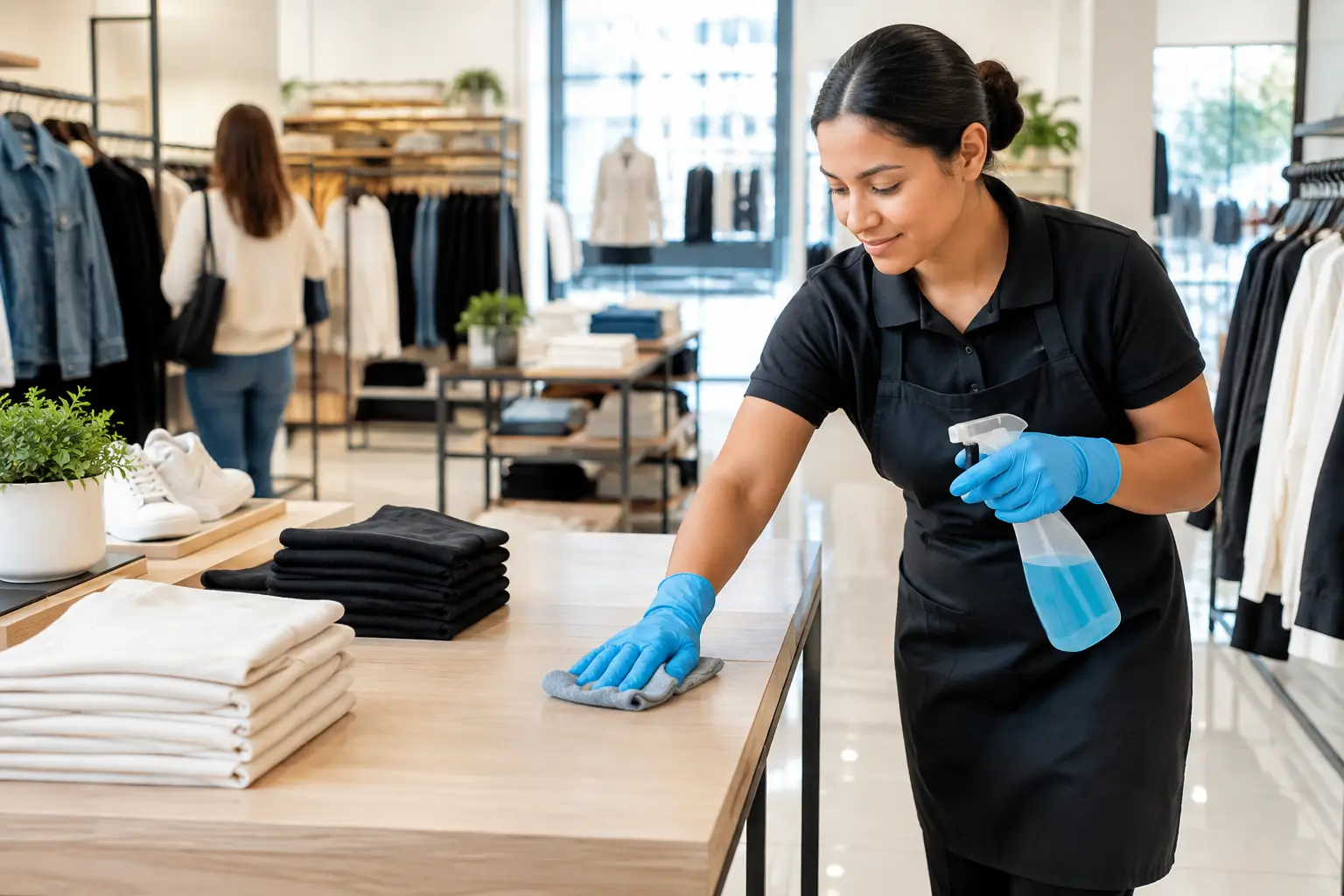
A smudged entrance door, dusty shelf edge, or overflowing restroom bin can change a shopper’s impression before an associate has a chance to help. Retail cleaning is not simply about making a store look tidy. It protects customer confidence, supports employee health, reduces slip hazards, and helps merchandise and displays look their best. Knowing how to clean retail stores means building a routine that works around traffic, promotions, staffing, and store hours.
For multi-location operators, property managers, and independent retailers, the most effective approach combines frequent attention to high-visibility areas with scheduled deep cleaning. The right plan is consistent, discreet, and flexible enough to respond to a busy weekend, a spill at the register, or seasonal weather.
Start With a Retail Cleaning Plan That Matches Store Traffic
Every retail location has different pressure points. A boutique with fitting rooms needs close attention to mirrors, benches, and garment return areas. A grocery-adjacent retailer may need more frequent floor care near entrances. A large-format store may require zone-based cleaning so the team can maintain standards without getting in the way of customers.
Begin by walking the store as a customer would. Enter through the main doors, look at the glass, mats, floors, display tables, checkout counters, fitting rooms, and restrooms. Then assess back-of-house areas such as stockrooms, employee break rooms, receiving spaces, and offices. This walkthrough identifies what customers see immediately and where dirt, clutter, and germs build up during a normal day.
Cleaning frequency should follow traffic rather than a one-size-fits-all schedule. Entrances, checkout counters, and restrooms may need attention several times daily. Dusting, detailed shelf cleaning, and interior glass can often follow a weekly or biweekly schedule. Carpet extraction, high dusting, grout work, and floor refinishing are usually planned as periodic projects based on wear.
Document responsibilities clearly. Store associates can handle immediate recovery tasks, such as returning baskets or reporting a spill. A trained commercial cleaning team should manage sanitation, floor care, restroom cleaning, waste removal, and detailed work that requires the right products, equipment, and safety procedures.
How to Clean Retail Stores From the Front Door In
The entrance is the first cleaning priority because it collects outdoor soil and sets the tone for the entire visit. Clean glass doors and handles, remove fingerprints, straighten entry mats, and make sure mats lie flat. During rain, snow, or heavy foot traffic, inspect this area more often. Wet floors are both an appearance issue and a safety concern.
Use commercial entry mats that capture moisture and debris before customers reach the sales floor. Vacuum or sweep them regularly, and replace saturated mats as needed. Clean hard-surface flooring with a method appropriate for the material. Tile, sealed concrete, vinyl, wood-look flooring, and natural stone all have different maintenance requirements. The wrong chemical or excessive water can dull finishes, leave residue, or create a slip risk.
On the sales floor, work from high areas down to the floor. Dust fixtures, ledges, signage frames, shelves, and display surfaces before vacuuming or mopping. Use clean microfiber cloths to remove dust without spreading it across products. Avoid spraying cleaner directly near merchandise, electronics, paper packaging, or open product displays. Apply approved product to the cloth when possible.
Checkout areas deserve extra care. Countertops, card terminals, divider bars, pens, baskets, and bagging stations are touched frequently. Clean first to remove visible soil, then disinfect according to the product label’s required contact time. Disinfection is not instant, and wiping a product away too soon can reduce its effectiveness.
Prioritize High-Touch Surfaces and Shared Spaces
Retail stores bring together customers, associates, delivery personnel, and vendors throughout the day. A health-conscious cleaning program focuses on the surfaces that many hands share. These often include door handles, push plates, elevator buttons, handrails, shopping carts, baskets, fitting-room doors, counter surfaces, and staff break-room appliances.
The right balance matters. Overusing harsh chemicals can damage finishes or create strong odors in a customer-facing environment. Under-cleaning can leave touchpoints visibly soiled and undermine sanitation efforts. Use products approved for commercial use, follow dilution instructions, and confirm they are appropriate for the surface being treated.
Fitting rooms require a simple but disciplined reset. Remove hangers and tags, wipe benches and handles, clean mirrors without leaving streaks, and inspect the floor for dust or debris. During peak periods, staff may need to check rooms repeatedly. A detailed cleaning after closing addresses corners, baseboards, vents, and areas behind benches that are easily missed during quick resets.
Break rooms and stockrooms matter as much as the sales floor, even if customers do not see them. Food crumbs, cardboard buildup, and poorly managed waste can attract pests and create avoidable workplace hazards. Keep aisles clear, remove trash routinely, wipe food-preparation surfaces, and clean refrigerator handles, microwaves, tables, and sink areas on a regular schedule.
Keep Restrooms Clean, Stocked, and Inspection-Ready
A retail restroom is a direct reflection of the store’s operating standards. It should be checked frequently, especially during high-traffic periods. Restroom cleaning includes more than a quick wipe of the counter. Toilets, urinals, sinks, faucet handles, dispensers, partitions, mirrors, floors, and waste receptacles all need attention.
Use separate, color-coded cloths and tools for restrooms to prevent cross-contamination with sales-floor or break-room surfaces. Refill soap, paper towels, tissue, and sanitizer before supplies run low. Empty waste bins before they overflow, and inspect floors for water around sinks or toilets.
A restroom log can help managers confirm that checks are completed. It also gives staff a clear process when a problem is found, whether that means restocking supplies, placing a wet-floor sign, or requesting urgent service. Consistency is more valuable than a checklist that is completed only on paper.
Plan Floor Care Around Store Hours
Floors take the hardest daily wear in most retail environments. Soil from shoes can scratch finishes, make carpets look dull, and travel throughout the store. Daily vacuuming, sweeping, spot mopping, and spill response protect the appearance of the space. Periodic machine scrubbing, burnishing, carpet cleaning, or refinishing protects the floor investment over time.
Timing makes a difference. Light maintenance can happen during business hours when it is safe and unobtrusive. Larger tasks, including auto-scrubbing, carpet extraction, and floor stripping and waxing, are generally better scheduled after closing or before opening. This prevents disruption, allows proper drying time, and reduces the chance of a customer walking across a wet surface.
Do not treat every floor the same. Carpet needs regular vacuuming and prompt spot treatment, but excessive moisture can lead to odor or slow drying. Hard floors need compatible cleaners and controlled water use. Retailers with polished concrete or specialty finishes should confirm the manufacturer’s maintenance recommendations before selecting products or machines.
Build Safety and Quality Control Into the Routine
A cleaning plan is only dependable when it is safe and verified. Cleaning staff should understand chemical labeling, personal protective equipment, spill procedures, and proper signage. Wet-floor signs should be visible whenever floors are being mopped or drying. Equipment and supplies should be stored securely, away from customers and merchandise.
Quality control should include regular inspections, not just end-of-shift assumptions. Managers can review entrance conditions, restroom supplies, floor appearance, touchpoint cleanliness, waste levels, and odor. When the same issue appears repeatedly, adjust the schedule, staffing, product, or cleaning method rather than accepting it as normal.
For retailers operating long hours, managing multiple locations, or preparing for a grand opening, outsourced service can provide the consistency internal teams may struggle to maintain. HSI Cleaning Services creates customized retail cleaning plans with trained, supervised, bonded, and insured teams, using health-focused products and scheduling that works around operations.
A clean retail store should feel effortless to the customer. That result comes from a plan that anticipates traffic, addresses the details people notice, and gives every employee confidence that the space is safe, presentable, and ready for business.

About Author

Recent Posts
Property Turnover Cleaning That Protects Move-In Dates
8 Insured Commercial Cleaning Benefits for Businesses