How to Outsource Retail Cleaning Without Gaps

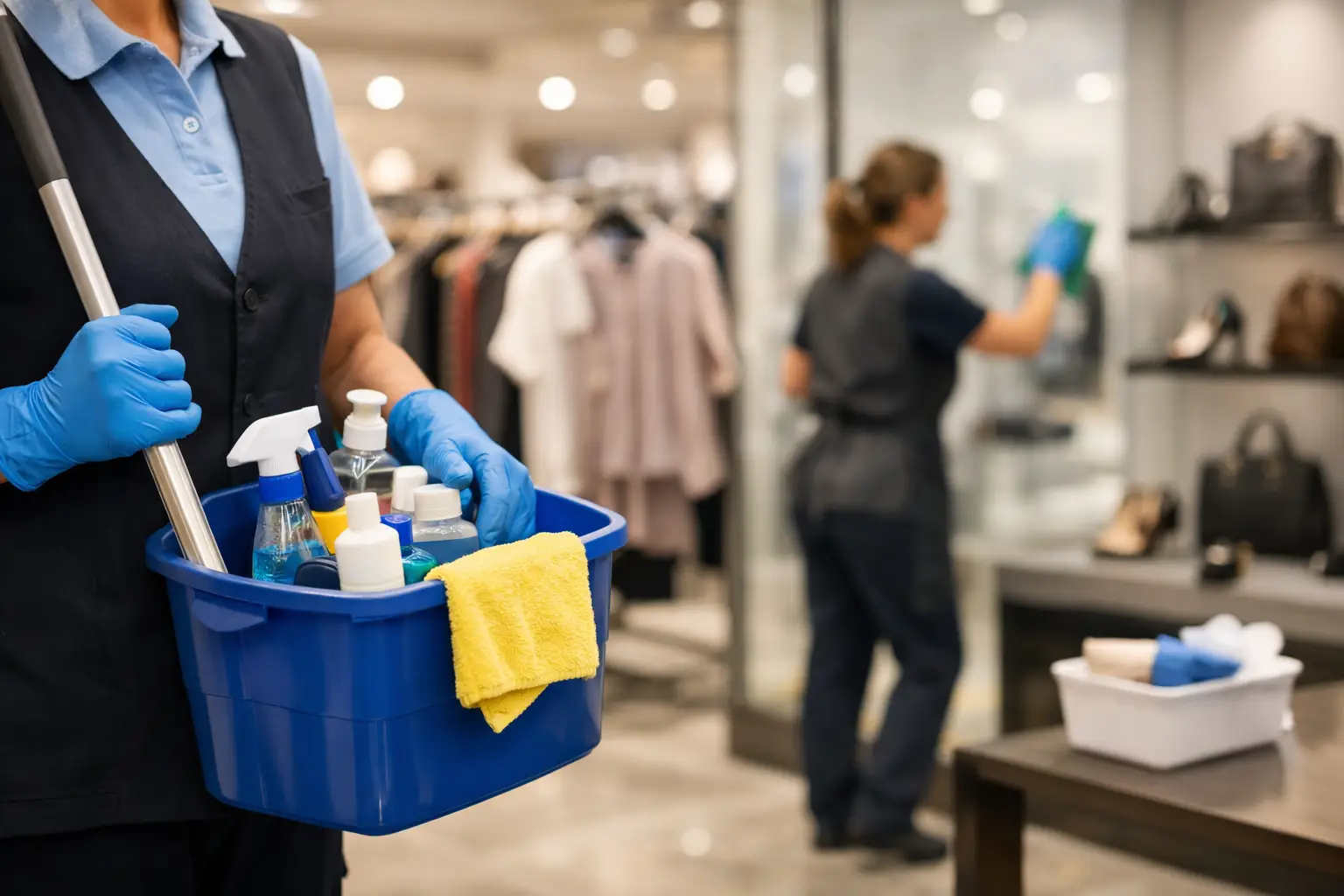
A missed trash bin, fingerprinted entrance glass, or dirty fitting room can change how customers judge your store in seconds. Knowing how to outsource retail cleaning is less about finding the lowest quote and more about building a dependable service arrangement that protects your brand, staff, inventory, and customer experience.
Retail spaces operate under pressure. Foot traffic changes by the hour, weather brings in dirt and moisture, and high-touch surfaces need regular attention. A capable commercial cleaning partner gives your team a clean, healthy environment without pulling sales associates away from customers or asking managers to chase cleaning tasks at the end of every shift.
Start With the Store Experience You Need to Protect
Before requesting quotes, define what clean means for your operation. A luxury boutique, grocery retailer, furniture showroom, pharmacy, and big-box store all have different priorities. The right outsourced cleaning plan should reflect the way customers move through the space, not rely on a generic checklist.
Walk the store as a customer would. Start at the parking lot or entrance, move through the sales floor, visit restrooms, and look behind service counters. Notice where dust gathers, where floors show marks, and which areas receive the most hand contact. Those observations become the foundation for a useful scope of work.
Your scope should identify the areas that must be serviced, the required frequency, and the expected standard. For example, entrance glass may need daily attention, while high shelving may only require periodic detail cleaning. Restrooms, break rooms, checkout counters, fitting rooms, and receiving areas should be clearly addressed rather than left to assumption.
It also helps to separate daily cleaning from periodic work. Daily service might cover floors, garbage removal, restroom sanitation, and touchpoint disinfection. Carpet extraction, floor refinishing, high dusting, post-event cleanup, and deep cleaning can be scheduled separately. This prevents a basic nightly service from being expected to cover work that requires more time, equipment, or specialized products.
How to Outsource Retail Cleaning With a Clear Scope
A vague request such as “clean our store three times a week” usually produces vague results. Give prospective providers enough information to build a realistic plan. Share your approximate square footage, operating hours, number of restrooms, flooring types, foot traffic patterns, and any areas with special requirements.
Be direct about timing. Some retailers need cleaning after closing, while others need daytime porters to maintain restrooms, entrances, and spills during peak hours. In a busy location, a combination can work best: scheduled evening cleaning for the full store and daytime support for high-visibility tasks.
Ask each provider to explain what is included in its proposed service. The proposal should make it easy to see the service frequency, task list, cleaning windows, supply responsibilities, and periodic services. If a line item is unclear, ask before signing. A low monthly rate may exclude essential tasks, add fees for routine requests, or assume a service frequency that does not match actual traffic.
A practical scope also accounts for exceptions. Consider what happens after an in-store event, a spill near a register, severe weather, a renovation, or an unexpected health concern. You may not need emergency response every day, but you should know who to contact and how quickly support is available when conditions change.
Evaluate the Provider Behind the Proposal
Retail cleaning is performed in customer-facing environments, often after hours and around valuable inventory. Price matters, but it is only one part of the decision. Review the provider’s operating standards with the same care you would apply to any vendor with access to your facility.
Look for a company that can show how it hires, trains, supervises, and supports its cleaning teams. Bonding and insurance are essential. So are clear security procedures for keys, alarm codes, access cards, and locked areas. A professional provider should be comfortable discussing these safeguards plainly.
Cleaning products and methods deserve attention as well. Ask how the provider selects products for food-adjacent areas, restrooms, display surfaces, glass, carpet, tile, and delicate flooring. The goal is not to use the strongest chemical available. The goal is to use appropriate products and techniques that clean effectively, support hygiene, and avoid damaging finishes or creating unpleasant odors for customers and staff.
Experience in retail is valuable because retail cleaning requires judgment. A team needs to recognize the difference between a backroom task that can wait and an entrance issue that affects every person walking in. It should also understand how to work around displays, merchandise, closing procedures, and changing store schedules without disrupting operations.
Ask How Quality Will Be Checked
Outsourcing does not mean giving up oversight. It means creating a system that makes quality visible without requiring your manager to inspect every corner each morning.
Ask prospective cleaning companies who supervises the account, how inspections are completed, and what happens when a concern is reported. Some locations benefit from routine site inspections and documented checklists. Others need a more hands-on communication process during the first few weeks, especially when a new team is learning the store layout and priorities.
Set a single point of contact on both sides. Your store manager, facilities contact, or property manager should know exactly who to call for service changes, quality concerns, billing questions, and urgent needs. In return, the cleaning provider should have a reliable contact for access updates, holiday hours, construction activity, and safety issues.
The strongest partnerships use specific feedback. “The store was not clean” is difficult to act on. “The entry glass and restroom mirrors were streaked at opening” gives the provider a clear issue to correct and monitor. Early, factual feedback helps establish the standard before minor misses become recurring problems.
Build Flexibility Into the Agreement
Retail schedules are rarely fixed for long. Holiday hours, promotions, seasonal weather, staffing changes, deliveries, and store resets can all affect cleaning needs. A rigid contract may look simple at first but become frustrating when operations change.
Discuss flexibility before the agreement begins. Can service times shift for inventory counts or late openings? Is there a process for adding temporary daytime coverage during the holiday season? Can deep cleaning be scheduled before a major promotion or after a renovation? These details matter because cleaning should support store operations, not compete with them.
For multi-location retailers, consistency is especially important. Each location may need a slightly different schedule, but the reporting process, service standards, escalation procedures, and safety expectations should remain aligned. This gives regional managers better visibility while still allowing individual stores to receive the support they need.
Manage the Transition Carefully
The first 30 days often determine whether an outsourced cleaning relationship succeeds. Do not treat the start date as a handoff with no follow-up. Use it as a calibration period.
Provide a walkthrough before the first service. Point out sensitive surfaces, storage areas, waste procedures, alarm instructions, employee-only zones, and problem areas that need extra attention. If there are tasks your in-house staff will continue to handle, clarify those boundaries so work is not duplicated or missed.
Review performance frequently during the first few weeks. A short check-in can confirm whether the cleaning schedule fits the store’s real traffic, whether supplies are being managed properly, and whether the team understands opening-ready expectations. Adjusting early is easier than trying to reset habits months later.
HSI Cleaning Services approaches retail cleaning as an operational partnership, with customized schedules, supervised teams, and health-focused cleaning practices designed around the needs of each location. The right partner should offer that same level of accountability: clear communication, dependable service, and a plan that works when your store is at its busiest.
A clean retail space should never be left to chance or last-minute effort. Choose a provider that listens to how your store operates, documents what success looks like, and responds when priorities shift. That gives your employees a healthier workplace and gives every customer one more reason to feel confident walking through your doors.

About Author

Recent Posts

Property Turnover Cleaning That Protects Move-In Dates

8 Insured Commercial Cleaning Benefits for Businesses