Industrial Cleaning Services That Protect Operations

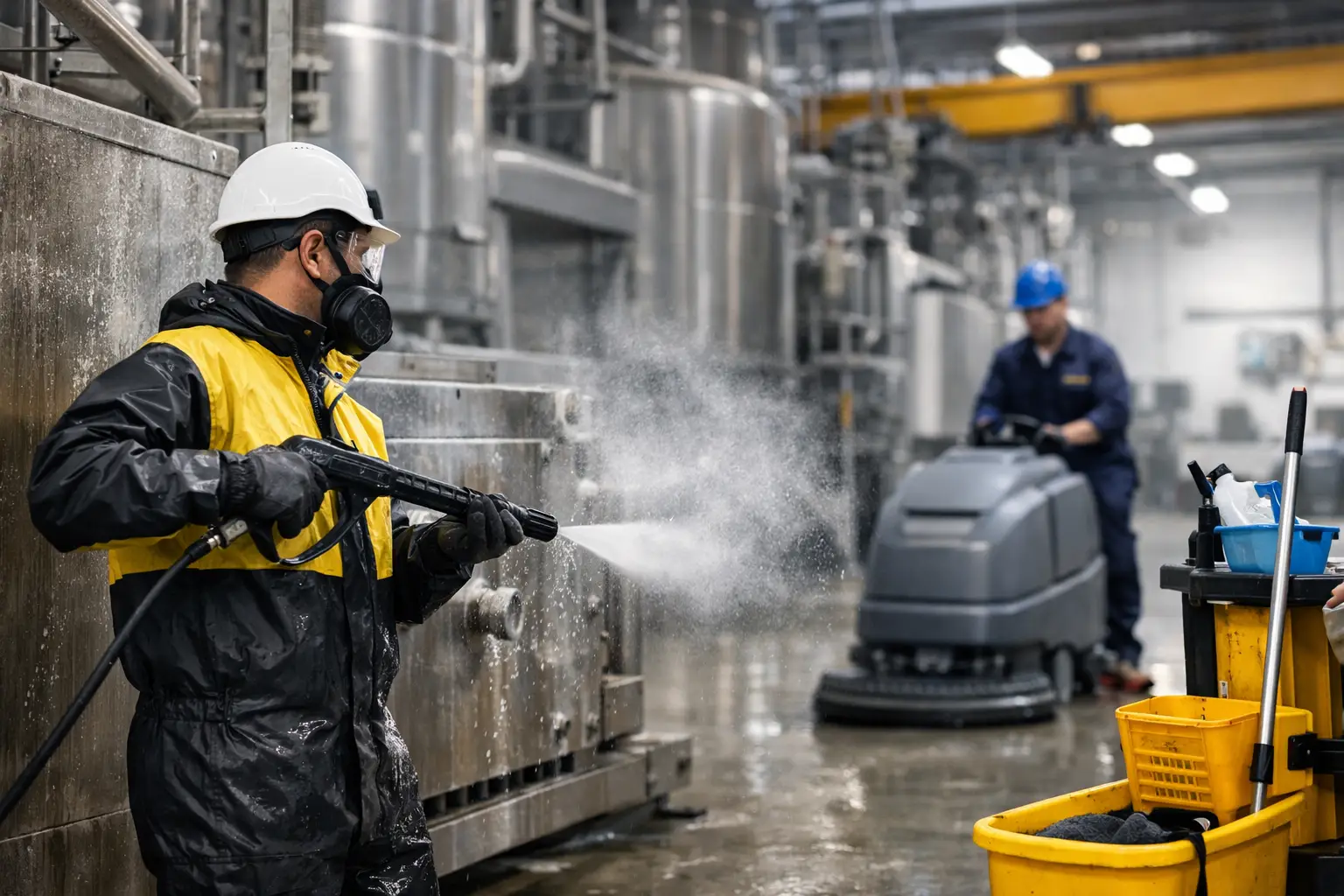
A production floor can look clean while still carrying the dust, oils, residue, and debris that create real operational risk. Effective industrial cleaning services go beyond surface appearance. They support safer work areas, help protect equipment, and give facility teams a reliable standard they can measure from one service visit to the next.
For warehouses, manufacturing facilities, distribution centers, workshops, and industrial properties, cleaning is part of day-to-day operations. The right plan must fit the building, the work being performed, the traffic level, and the hours when cleaning can happen without interrupting production.
What Industrial Cleaning Services Should Cover
Industrial environments require a different approach from standard office cleaning. Floors may be exposed to forklift traffic, loading docks may collect tracked-in dirt and moisture, and production areas can accumulate fine particulate, packaging waste, grease, or other site-specific residue. A one-size-fits-all checklist is rarely enough.
A professional scope of work begins with a walkthrough. The cleaning provider should identify high-traffic zones, safety concerns, restricted areas, material handling routes, washroom usage, waste requirements, and the surfaces that need special attention. That information shapes a service plan with realistic frequencies and clear responsibilities.
Depending on the facility, routine service may include floor care, dust control, waste removal, washroom sanitation, breakroom cleaning, touchpoint disinfection, interior glass cleaning, and cleaning around workstations or storage areas. Periodic work can include deep floor scrubbing, high-dust cleaning, pressure washing where appropriate, carpet cleaning in office areas, and post-project cleanup.
The key is to separate routine needs from project work. Daily attention may be necessary for entrances, washrooms, lunchrooms, and active work zones. Higher-level dusting or intensive floor restoration may be scheduled monthly, quarterly, or around shutdown periods. This helps facilities control costs without allowing maintenance issues to build up.
Why Consistent Cleaning Matters in Industrial Facilities
A clean facility supports more than presentation. It affects safety, employee confidence, visitor impressions, and the condition of the building itself.
Safer floors and clearer work areas
Dust, moisture, loose packaging, and residue can contribute to slip, trip, and fall hazards. Cleaning teams cannot replace a site safety program, but regular removal of debris and prompt attention to spills help keep travel paths, entrances, docks, and common areas in better condition.
Floor care deserves particular attention. The correct method depends on the flooring material and the contamination involved. Scrubbing can be effective for embedded dirt and tire marks, while degreasing may be necessary in certain maintenance or production areas. Using the wrong product or too much water can create problems of its own, so methods should be matched to the surface and operating environment.
Healthier shared spaces
Industrial teams share washrooms, breakrooms, locker areas, offices, time clocks, door handles, and other high-touch spaces. These areas can quickly become a source of dissatisfaction when they are not cleaned consistently.
A health-focused cleaning program prioritizes routine sanitation of shared surfaces and uses approved products according to their intended application. Proper dwell time, dilution, and cleaning sequence matter. Simply spraying a surface is not the same as cleaning and disinfecting it correctly.
Better protection for facility assets
Dust and debris can settle on shelving, ledges, equipment exteriors, ventilation covers, and elevated structural surfaces. Over time, buildup may affect appearance, contribute to poor air quality, or make routine maintenance more difficult.
Not every facility requires the same level of high-dust cleaning. A light-assembly operation, a busy warehouse, and a manufacturing plant each have different conditions. A qualified provider will assess what can be safely cleaned, what requires coordination with maintenance staff, and which areas need specialized access or procedures.
How to Build the Right Cleaning Schedule
The best frequency is based on risk and use, not on a generic package. A busy distribution center with multiple shifts may need nightly cleaning of common areas and regular floor care. A lower-traffic industrial office attached to a warehouse may require less frequent service but more detailed periodic cleaning.
Start by evaluating the number of employees and shifts, the type of work completed on site, customer or vendor traffic, and the facility’s most common pain points. If washrooms run out of supplies before the end of a shift, if dock entrances stay dirty after wet weather, or if dust returns quickly on ledges, those are useful indicators that the schedule needs adjustment.
Cleaning should also work around the operation. Some facilities need service after hours to keep aisles and production areas open. Others benefit from daytime porters who can respond to spills, restock washrooms, and maintain high-traffic areas during business hours. There is a trade-off: after-hours service can reduce disruption, while daytime support provides faster visibility and response. The right choice depends on the site.
What to Look for in an Industrial Cleaning Partner
Price matters, but the lowest quote does not always reflect the full scope of work. When comparing providers, facility managers should look for clarity as much as cost. A dependable partner explains what is included, how often tasks are performed, and how quality concerns are handled.
Ask whether the team is bonded and insured, how staff are trained and supervised, and whether the provider can accommodate site procedures. Industrial facilities may have sign-in requirements, safety orientations, restricted access zones, security protocols, or specific rules for equipment and materials. A cleaning crew should respect these requirements from the first shift.
Reliable communication is equally important. A facility should know who to contact, how service requests are documented, and what happens if an issue requires immediate attention. Quality assurance should be active, not limited to a promise made during the sales process. Regular inspections, supervisor follow-up, and documented checklists help maintain consistent results.
HSI Cleaning Services builds customized plans around these operational details, with supervised teams and flexible scheduling for facilities that need dependable ongoing support or specialized project cleaning.
Common Gaps That Lead to Poor Results
Many cleaning problems begin with an unclear scope. If a provider is told only to “clean the warehouse,” important details may be missed. Does that include dock doors, office areas, washrooms, breakrooms, floor scrubbing, waste handling, high dusting, or interior glass? Clear expectations prevent disagreements and help the cleaning team allocate enough time and labor.
Another common issue is treating all surfaces the same. Industrial floors, polished office floors, carpeted administrative areas, and food-service breakrooms need different products and procedures. Using a universal approach may save time in the moment but can reduce cleaning quality or damage surfaces over time.
Facilities can also overlook periodic work. Routine janitorial service keeps areas presentable, but it may not address accumulated grime, hard-to-reach dust, or heavily soiled flooring. A planned deep cleaning schedule keeps these needs from becoming urgent, expensive projects.
Preparing Your Facility for Better Service
A cleaning provider can work more efficiently when the site is prepared for access. Designate areas for waste and recycling, clarify which materials or equipment must not be moved, and make sure the team understands emergency exits, electrical hazards, and restricted zones. These steps support safety while reducing avoidable delays.
It also helps to assign one internal contact who can report concerns and approve changes to the service plan. Cleaning needs shift with seasons, staffing levels, production demands, renovations, and tenant changes. A plan that worked six months ago may need more floor care during winter, added washroom service during a busy period, or a one-time cleanup after equipment installation.
Industrial Cleaning Services Are an Operational Standard
The strongest industrial cleaning programs are not built around occasional appearances. They are built around consistency, safety, and a clear understanding of how a facility operates. When cleaning is planned around traffic, surfaces, schedules, and risks, it becomes easier to maintain a workplace employees can use with confidence.
A useful next step is to walk your facility as an employee or visitor would. Look at the entrance, floors, washrooms, breakroom, storage areas, and high-touch points at the end of a busy shift. The areas that repeatedly fall short are where a tailored cleaning plan can make the most immediate difference.

About Author

Recent Posts

Property Turnover Cleaning That Protects Move-In Dates

8 Insured Commercial Cleaning Benefits for Businesses