Toronto Commercial Cleaning That Supports Business

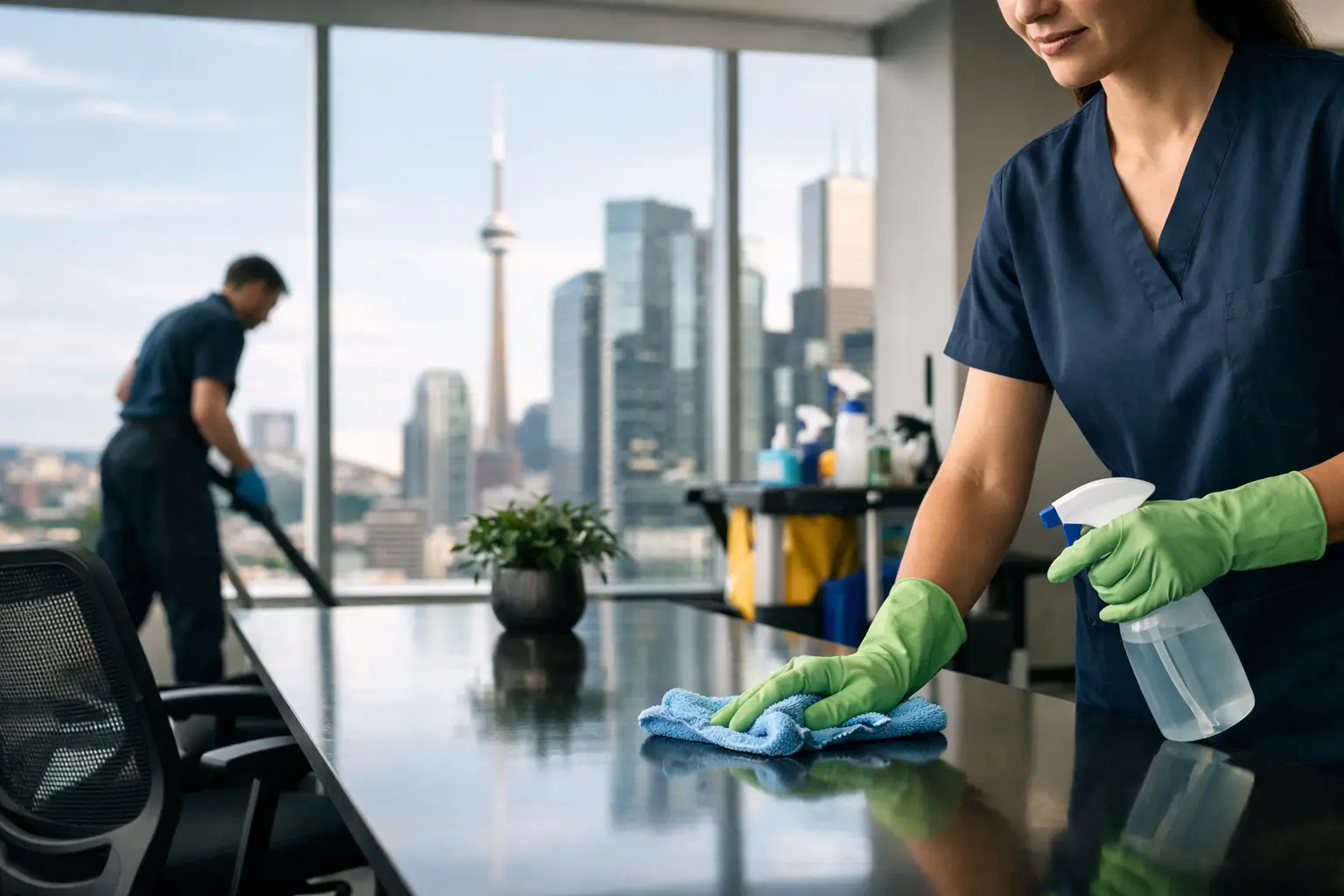
At 7:30 a.m., the condition of your workplace is already shaping the day. Employees notice overflowing bins and dusty desks. Customers notice streaked glass, odors, and neglected restrooms. In busy facilities, Toronto commercial cleaning is not a cosmetic extra. It is a practical part of protecting health, supporting staff, and keeping your business ready for the people who walk through the door.
The right cleaning program should work quietly in the background while delivering visible results. It needs to fit your hours, traffic patterns, industry requirements, and budget without creating more work for your team. That is why choosing a commercial cleaning partner requires more than comparing a basic price quote.
What Toronto Commercial Cleaning Should Accomplish
A dependable commercial cleaning plan has two jobs: maintain the appearance of the facility and reduce the buildup of dirt, germs, allergens, and waste in high-use areas. Those goals overlap, but they are not identical. A polished lobby matters for customer confidence, while properly sanitized touchpoints and restrooms matter for the well-being of everyone in the building.
For offices, the priorities often include clean workstations, shared kitchens, washrooms, elevator areas, floors, and garbage removal. Retail spaces need consistent attention on entrances, fitting rooms, display areas, mirrors, and high-touch checkout surfaces. Restaurants need a more demanding approach that accounts for dining areas, washrooms, floors, grease-prone surfaces, and cleaning schedules that do not disrupt service.
Industrial and warehouse facilities have another set of needs. Dust accumulation, loading areas, employee break rooms, and safety-sensitive walkways may require specialized equipment, products, and staff training. A standard office checklist is rarely enough for these environments.
The most effective service plans recognize these differences from the start. Instead of applying the same scope to every location, a cleaning provider should assess how the space is actually used.
Start With the Areas That Affect Operations Most
Not every room needs the same frequency or level of detail. Cleaning every area daily may be necessary for a high-traffic restaurant or medical-adjacent setting, but it can be excessive for a small professional office with a hybrid workforce. The right frequency depends on occupancy, customer traffic, operating hours, season, and the type of work performed on site.
A thoughtful site assessment should identify the areas where missed cleaning creates the greatest impact. In many workplaces, these include restrooms, entrances, break rooms, reception areas, shared equipment, and frequently touched surfaces. During winter, salt, slush, and moisture at entrances can quickly damage floors and create slip hazards. During allergy season, dust control and carpet care can make the space more comfortable for employees and visitors.
Daily tasks versus periodic services
Daily or recurring cleaning keeps the facility presentable and hygienic. It commonly covers waste removal, restroom servicing, floor care, touchpoint disinfection, vacuuming, and cleaning of common areas. However, periodic services are equally important because routine cleaning does not solve every issue.
Deep cleaning can address buildup behind furniture, along baseboards, in hard-to-reach areas, and on surfaces that receive limited attention during regular service. Carpet cleaning helps remove embedded soil and can improve the appearance and lifespan of flooring. Post-renovation cleaning is often necessary before staff or customers return to a space affected by dust, debris, adhesive residue, or construction materials.
The best approach is usually a combination: consistent routine cleaning supported by scheduled deep cleaning and specialty work. This keeps standards stable without paying for intensive services more often than the facility requires.
Choose a Cleaning Plan Built Around Your Schedule
Cleaning can only support operations if it works around them. A retail store may need service before opening, after closing, or during quieter periods. An office may prefer evening cleaning to avoid interrupting meetings. A restaurant may need daily attention outside service hours, with flexible support after a particularly busy weekend or private event.
Ask prospective providers how they manage schedule changes, holiday coverage, urgent requests, and access to the building. A low quote is less valuable if the provider cannot respond when an unexpected issue affects your opening hours or customer experience.
Supervision also matters. Cleaning quality can decline when there is no clear accountability for missed tasks, staffing changes, or client feedback. A reliable provider should have a defined communication process, site expectations, and quality checks that help keep work consistent over time.
Questions worth asking before signing a contract
Before selecting a provider, ask how the scope of work will be documented and reviewed. You should also understand whether the team is bonded and insured, how staff are trained, and what happens when you need a service adjustment.
It is also reasonable to ask about cleaning products. Health-focused products, including Health Canada-approved options where appropriate, can help support sanitation goals while fitting the needs of occupied workplaces. If your facility has concerns about fragrance, sensitive occupants, food-service areas, or particular surface materials, discuss them before service begins.
A clear quote should state the cleaning frequency, included tasks, exclusions, supply responsibilities, and any specialty services that carry a separate cost. This avoids confusion later and makes it easier to compare proposals fairly.
The Cost of Inconsistent Cleaning Is Often Higher Than It Looks
When cleaning is inconsistent, the first signs can seem minor: a restroom runs out of supplies, carpet stains remain for weeks, or garbage is missed after a busy day. Over time, those small failures can affect staff morale, guest reviews, tenant satisfaction, and the perceived quality of your business.
There can also be practical costs. Dirty floors wear faster. Neglected carpets may need replacement sooner. Poorly maintained restrooms create more complaints and require more reactive attention from managers. In food service, retail, and customer-facing businesses, appearance directly influences whether visitors feel comfortable returning.
Outsourcing can reduce this burden when the provider has the training, equipment, and staffing capacity to manage the work consistently. The goal is not simply to remove cleaning from your internal to-do list. It is to establish a reliable standard that remains in place even when your team is focused on customers, tenants, employees, or daily operations.
Match the Provider to Your Type of Facility
Experience in your industry is valuable because each space has different risks and expectations. A dealership benefits from clean showrooms, polished customer waiting areas, and carefully maintained floors that support a professional sales environment. A property manager may need common-area cleaning that protects tenant experience across multiple sites. A restaurant owner needs a provider who understands the urgency and detail required in hospitality settings.
Regional coverage can matter as well. Businesses with locations across Toronto, the GTA, or Southern Ontario often benefit from working with one cleaning partner that can maintain consistent standards across properties. For a single location, local responsiveness and dependable staffing may be the deciding factors.
HSI Cleaning Services builds cleaning plans around these operational realities, offering recurring and specialized services for offices, retail locations, restaurants, dealerships, industrial facilities, and post-renovation projects.
A Better Way to Measure Cleaning Quality
Cleaning quality should not be judged only on the day the contract begins. A strong partnership is measured by what happens months later: whether service remains dependable, concerns are addressed promptly, and the space continues to meet the expectations of employees and visitors.
Set practical standards with your provider. These may include restroom presentation, supply levels, floor condition, waste removal, touchpoint sanitation, and response times for issues. Walkthroughs are useful, especially during the first few weeks of service or after changes in occupancy, layout, or operating hours.
Feedback should be specific and timely. Rather than saying the office does not feel clean, identify the location, issue, and desired outcome. That gives the cleaning team a fair opportunity to correct the problem and improve future service.
A clean workplace is one less variable for your business to manage. When your cleaning plan reflects the real demands of your facility, it supports healthier people, stronger first impressions, and smoother days for everyone who depends on the space.

Toronto Commercial Cleaning That Supports Business
At 7:30 a.m., the condition of your workplace is already shaping the day. Employees notice overflowing bins and dusty desks. Customers notice streaked glass, odors, and neglected restrooms. In busy facilities, Toronto commercial cleaning is not a cosmetic extra. It is a practical part of protecting health, supporting staff, and keeping your business ready for the people who walk through the door.
The right cleaning program should work quietly in the background while delivering visible results. It needs to fit your hours, traffic patterns, industry requirements, and budget without creating more work for your team. That is why choosing a commercial cleaning partner requires more than comparing a basic price quote.
What Toronto Commercial Cleaning Should Accomplish
A dependable commercial cleaning plan has two jobs: maintain the appearance of the facility and reduce the buildup of dirt, germs, allergens, and waste in high-use areas. Those goals overlap, but they are not identical. A polished lobby matters for customer confidence, while properly sanitized touchpoints and restrooms matter for the well-being of everyone in the building.
For offices, the priorities often include clean workstations, shared kitchens, washrooms, elevator areas, floors, and garbage removal. Retail spaces need consistent attention on entrances, fitting rooms, display areas, mirrors, and high-touch checkout surfaces. Restaurants need a more demanding approach that accounts for dining areas, washrooms, floors, grease-prone surfaces, and cleaning schedules that do not disrupt service.
Industrial and warehouse facilities have another set of needs. Dust accumulation, loading areas, employee break rooms, and safety-sensitive walkways may require specialized equipment, products, and staff training. A standard office checklist is rarely enough for these environments.
The most effective service plans recognize these differences from the start. Instead of applying the same scope to every location, a cleaning provider should assess how the space is actually used.
Start With the Areas That Affect Operations Most
Not every room needs the same frequency or level of detail. Cleaning every area daily may be necessary for a high-traffic restaurant or medical-adjacent setting, but it can be excessive for a small professional office with a hybrid workforce. The right frequency depends on occupancy, customer traffic, operating hours, season, and the type of work performed on site.
A thoughtful site assessment should identify the areas where missed cleaning creates the greatest impact. In many workplaces, these include restrooms, entrances, break rooms, reception areas, shared equipment, and frequently touched surfaces. During winter, salt, slush, and moisture at entrances can quickly damage floors and create slip hazards. During allergy season, dust control and carpet care can make the space more comfortable for employees and visitors.
Daily tasks versus periodic services
Daily or recurring cleaning keeps the facility presentable and hygienic. It commonly covers waste removal, restroom servicing, floor care, touchpoint disinfection, vacuuming, and cleaning of common areas. However, periodic services are equally important because routine cleaning does not solve every issue.
Deep cleaning can address buildup behind furniture, along baseboards, in hard-to-reach areas, and on surfaces that receive limited attention during regular service. Carpet cleaning helps remove embedded soil and can improve the appearance and lifespan of flooring. Post-renovation cleaning is often necessary before staff or customers return to a space affected by dust, debris, adhesive residue, or construction materials.
The best approach is usually a combination: consistent routine cleaning supported by scheduled deep cleaning and specialty work. This keeps standards stable without paying for intensive services more often than the facility requires.
Choose a Cleaning Plan Built Around Your Schedule
Cleaning can only support operations if it works around them. A retail store may need service before opening, after closing, or during quieter periods. An office may prefer evening cleaning to avoid interrupting meetings. A restaurant may need daily attention outside service hours, with flexible support after a particularly busy weekend or private event.
Ask prospective providers how they manage schedule changes, holiday coverage, urgent requests, and access to the building. A low quote is less valuable if the provider cannot respond when an unexpected issue affects your opening hours or customer experience.
Supervision also matters. Cleaning quality can decline when there is no clear accountability for missed tasks, staffing changes, or client feedback. A reliable provider should have a defined communication process, site expectations, and quality checks that help keep work consistent over time.
Questions worth asking before signing a contract
Before selecting a provider, ask how the scope of work will be documented and reviewed. You should also understand whether the team is bonded and insured, how staff are trained, and what happens when you need a service adjustment.
It is also reasonable to ask about cleaning products. Health-focused products, including Health Canada-approved options where appropriate, can help support sanitation goals while fitting the needs of occupied workplaces. If your facility has concerns about fragrance, sensitive occupants, food-service areas, or particular surface materials, discuss them before service begins.
A clear quote should state the cleaning frequency, included tasks, exclusions, supply responsibilities, and any specialty services that carry a separate cost. This avoids confusion later and makes it easier to compare proposals fairly.
The Cost of Inconsistent Cleaning Is Often Higher Than It Looks
When cleaning is inconsistent, the first signs can seem minor: a restroom runs out of supplies, carpet stains remain for weeks, or garbage is missed after a busy day. Over time, those small failures can affect staff morale, guest reviews, tenant satisfaction, and the perceived quality of your business.
There can also be practical costs. Dirty floors wear faster. Neglected carpets may need replacement sooner. Poorly maintained restrooms create more complaints and require more reactive attention from managers. In food service, retail, and customer-facing businesses, appearance directly influences whether visitors feel comfortable returning.
Outsourcing can reduce this burden when the provider has the training, equipment, and staffing capacity to manage the work consistently. The goal is not simply to remove cleaning from your internal to-do list. It is to establish a reliable standard that remains in place even when your team is focused on customers, tenants, employees, or daily operations.
Match the Provider to Your Type of Facility
Experience in your industry is valuable because each space has different risks and expectations. A dealership benefits from clean showrooms, polished customer waiting areas, and carefully maintained floors that support a professional sales environment. A property manager may need common-area cleaning that protects tenant experience across multiple sites. A restaurant owner needs a provider who understands the urgency and detail required in hospitality settings.
Regional coverage can matter as well. Businesses with locations across Toronto, the GTA, or Southern Ontario often benefit from working with one cleaning partner that can maintain consistent standards across properties. For a single location, local responsiveness and dependable staffing may be the deciding factors.
HSI Cleaning Services builds cleaning plans around these operational realities, offering recurring and specialized services for offices, retail locations, restaurants, dealerships, industrial facilities, and post-renovation projects.
A Better Way to Measure Cleaning Quality
Cleaning quality should not be judged only on the day the contract begins. A strong partnership is measured by what happens months later: whether service remains dependable, concerns are addressed promptly, and the space continues to meet the expectations of employees and visitors.
Set practical standards with your provider. These may include restroom presentation, supply levels, floor condition, waste removal, touchpoint sanitation, and response times for issues. Walkthroughs are useful, especially during the first few weeks of service or after changes in occupancy, layout, or operating hours.
Feedback should be specific and timely. Rather than saying the office does not feel clean, identify the location, issue, and desired outcome. That gives the cleaning team a fair opportunity to correct the problem and improve future service.
A clean workplace is one less variable for your business to manage. When your cleaning plan reflects the real demands of your facility, it supports healthier people, stronger first impressions, and smoother days for everyone who depends on the space.
Leave A Comment
About Author

Recent Posts

Property Turnover Cleaning That Protects Move-In Dates

8 Insured Commercial Cleaning Benefits for Businesses